Industrial digital printing has revolutionized the way businesses approach their printing needs. But what is industrial digital printing? This innovative method uses digital technology to produce high-quality prints directly from digital files. It eliminates many traditional printing processes, making it faster and more efficient. Companies can now create customized products on demand, reducing waste and inventory costs.
The benefits of adopting this technology are substantial. Businesses can achieve vibrant colors, intricate designs, and precise branding. This opens new avenues for creativity and marketing strategies. Moreover, industrial digital printing allows for rapid prototyping, enabling companies to test designs without committing to large quantities. Importantly, it fosters sustainability by minimizing resource usage and enhancing production flexibility.
Despite these advantages, some companies may hesitate to make the switch. Concerns about cost, quality, and reliability linger. However, as technology advances, these challenges become less significant. Embracing industrial digital printing can lead to transformative changes in how businesses operate and compete in today’s market.
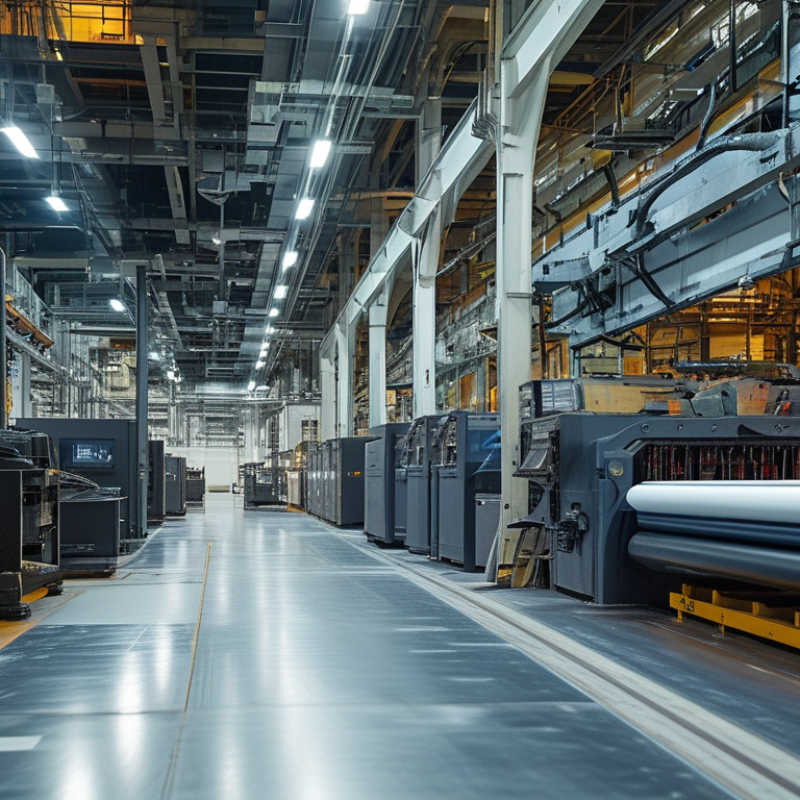
Industrial digital printing represents a transformative shift in manufacturing processes. This approach enhances flexibility and customization capabilities for businesses. With the ability to print directly from digital files, companies can reduce setup times and minimize waste. According to recent industry reports, digital printing can decrease production lead times by up to 50%. This efficiency allows businesses to respond quickly to market demands.
Businesses benefit from reduced inventory costs and increased personalization. Digital printing supports shorter runs, making it easier to produce unique items without substantial financial commitments. Research shows that companies adopting digital printing methods see a 30% increase in design creativity. Despite these advantages, some businesses struggle with the initial investment in technology. Balancing costs and benefits requires careful consideration.
Market trends indicate a growing reliance on digital printing. In fact, a survey reported that over 70% of manufacturers plan to invest in this technology over the next five years. Adapting to change can be challenging. Companies must stay updated on advancements to remain competitive. Embracing digital printing can be a game changer, but organizations need to weigh the implications carefully.
Industrial digital printing revolutionizes how businesses approach product customization. With advanced technology, companies can easily create unique designs that align with brand identities. This ability to personalize products allows for greater consumer engagement, which can lead to increased sales. Imagine a small business offering customized labels for local products. Digital printing makes it possible to print limited runs with distinctive designs that speak directly to niche markets.
Moreover, the speed of industrial digital printing adds to the benefits of customization. Companies can quickly adapt to changing market demands without long lead times. This agility can be critical in today’s fast-paced environment. However, not all businesses can fully utilize these opportunities. Some may struggle with digital design software or the market's shifting preferences. A commitment to ongoing learning and adaptation is vital.
As businesses embrace digital printing, they can explore new ideas and expand their offerings. This is a journey of trial and error, where not every design will resonate or succeed. But, the potential to connect with customers on a personal level is invaluable. Businesses should reflect on their capabilities and make continuous improvements in their processes to leverage printed customization effectively.
Industrial digital printing offers significant
cost efficiency advantages for businesses.
According to a study by Smithers Pira, businesses can save up to
30% on printing costs by switching from traditional methods
to digital printing. This reduction in costs stems from lower setup times and minimized waste. Traditional printing
often requires extensive setup, leading to higher labor and material costs.
Moreover, digital printing provides the flexibility to print in small runs without the prohibitive costs associated
with larger volumes. A report by Allied Market Research highlights that over 80%
of businesses that leverage digital printing witness enhanced agility and scalability. Companies can produce
customized products on demand, reducing inventory holding costs. This agility allows businesses to respond quickly
to market trends and customer preferences.
However, there are challenges in adopting digital printing. The initial investment in equipment can be
significant, especially for small businesses. Additionally, the rapid pace of technology changes necessitates
ongoing training and adaptation. Companies must weigh these factors against the potential for long-term savings
and efficiency gains. With thoughtful planning, the benefits of industrial digital printing can far outweigh the
initial hurdles.
Industrial digital printing has transformed production processes for many businesses. Improved speed and flexibility are key advantages. With digital printing, companies can respond rapidly to market demands. The ability to customize orders quickly makes this technology invaluable. Businesses can adjust designs on the fly, reducing lead times significantly.
Moreover, companies can produce smaller batches without incurring high costs. Traditional printing methods struggle with short runs. Digital printing, on the other hand, thrives in this area. This agility attracts companies that value innovation and responsiveness. However, organizations may face challenges in transitioning to this technology. Training staff and updating protocols can be obstacles.
The speed of digital printing means faster time-to-market. One can produce promotional materials or product labels within hours, not days. This shift in production dynamics may require businesses to rethink their strategies. While digital printing offers numerous benefits, it also demands a commitment to continual improvement. Assessing the effectiveness of this transition often leads to new insights and growth opportunities.
Digital printing technologies are transforming the industrial landscape, and their environmental benefits are significant. These methods reduce waste compared to traditional printing. Digital printing uses only necessary ink for each project. This results in less material scrap. Minimal packaging is another advantage. Businesses can produce smaller batches with customized designs.
Energy efficiency is a crucial factor. Digital printers often consume less energy than traditional ones. This efficiency reduces the carbon footprint. Additionally, many digital printing processes use environmentally friendly inks. These inks are less harmful to both humans and the planet.
Water usage is also minimized in digital printing. Unlike conventional methods that often require extensive cleanup, digital processes reduce water waste. However, it’s important to consider the recyclability of printed materials. Not all digital prints are recyclable, which poses challenges. As technology evolves, the industry continues to seek more sustainable practices. This ongoing improvement shows promise for a greener future in printing.
: Businesses can save up to 30% on printing costs by switching to digital printing.
Digital printing uses only necessary ink, resulting in less material scrap and minimal packaging.
Digital printing allows companies to produce customized small runs quickly, reducing inventory costs.
Initial equipment investments can be high. Staff training and adapting to new processes also pose challenges.
Digital printing enables faster time-to-market, with promotional materials produced within hours instead of days.
Yes, digital printing reduces waste, consumes less energy, and often uses environmentally friendly inks.
Not all digital prints are recyclable, which can create challenges for businesses aiming for sustainability.
Businesses may need to rethink strategies to leverage faster production dynamics and enhance competitiveness.
Constant advancements in technology require businesses to commit to staff training for effective adoption.
Assessing effectiveness often leads to new insights and growth opportunities, enhancing overall operations.
Industrial digital printing refers to a modern printing technology that utilizes digital files to produce high-quality prints directly onto various substrates. This method offers businesses numerous advantages, including increased customization opportunities that allow for tailored products to meet specific consumer demands. Additionally, improved cost efficiency in printing processes enables businesses to reduce waste and lower production costs.
Moreover, industrial digital printing enhances speed and flexibility in production, allowing companies to rapidly adapt to market changes and customer preferences. Environmental benefits also arise from this technology, as it typically generates less waste and utilizes eco-friendly inks. Overall, the integration of industrial digital printing into business operations not only streamlines production but also aligns with sustainability goals, making it a valuable asset for modern enterprises.
Axis Print