Boosting production efficiency in printing lines is essential for staying competitive in today's market. Many printers face challenges that hinder optimal output. Understanding how to improve production efficiency in printing lines can significantly impact a company’s profitability.
Common issues include equipment downtime, inefficient workflow, and skill gaps among workers. These obstacles can lead to wasted time and resources. Addressing these concerns requires a careful analysis of each process. It's important to evaluate the technology and tools in use. Investing in modern equipment can reduce maintenance needs and increase output.
Training staff is another critical aspect. Well-trained employees are more likely to perform tasks efficiently. Regular workshops can enhance their skills and adapt to new technologies. While there is no one-size-fits-all solution, every printing line can find ways to refine its processes. Embracing change is not always easy, but the rewards can be significant.
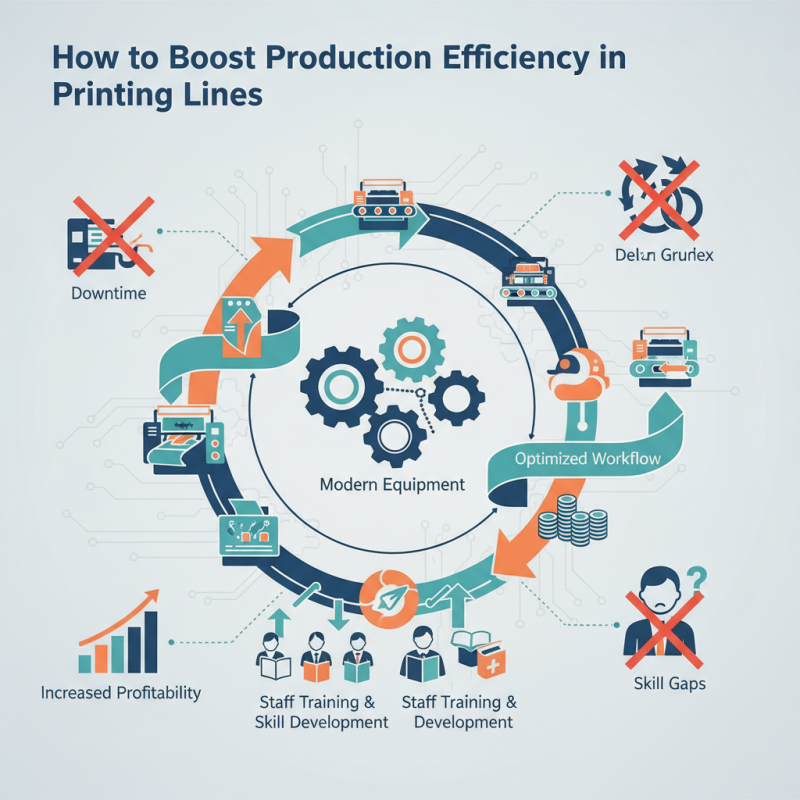
In the printing industry, optimizing workflow is crucial for increasing production efficiency. A key strategy is refining prepress processes. Streamlining file preparation can greatly reduce delays. Implementing a standardized checklist ensures that every step is followed. Staff training on this checklist boosts adherence. Reduced errors lead to smoother operations.
Another area for improvement is equipment maintenance. Regular checks reduce breakdowns and downtime. Track machine performance metrics and schedule proactive maintenance. This keeps production steady and avoids unexpected interruptions. Staff should be encouraged to report issues quickly. Creating a culture of open communication enhances teamwork.
Additionally, leveraging automation can transform workflow. Automation tools speed up repetitive tasks and decrease error rates. However, technically implementing these tools can be challenging. It's vital to assess staff readiness before transitioning. Not all employees may embrace new technology. This adjustment period needs careful management to minimize disruptions. Evaluating results continuously can help refine these strategies.
Implementing advanced printing technologies can significantly enhance production efficiency. Modern printers can operate faster and with greater precision. Innovations such as digital printing and automation streamline workflows. These technologies reduce waste and improve turnaround times. However, transitioning to these advanced systems can be challenging.
One major challenge is the training of staff. Employees may need time to adapt to new machines and software. This transition period can temporarily slow down production. Organizations should invest in comprehensive training programs. This will ensure that employees feel confident using the new technologies. Not addressing this can lead to frustration and reduced output.
Another area to consider is maintenance. Advanced technologies often require specialized upkeep. Ignoring this can lead to unexpected downtime. Regular maintenance schedules must be established. This will help maintain efficiency and reliability. Balancing technology implementation with operational realities is crucial for success.
Training the workforce is crucial for boosting production efficiency in printing lines. According to industry studies, investing in employee training can increase productivity by up to 30%. Well-trained employees not only enhance output but also minimize errors, leading to reduced waste. A simple mistake in printing can cost a company thousands in materials and time.
Tips: Focusing on hands-on training can prepare employees for real-world challenges. Regular workshops keep skills updated. Incorporating feedback helps identify improvement areas.
Employees often have varied skill levels. Regular assessments can reveal gaps in knowledge. Tailoring training programs to meet these specific needs is vital. Furthermore, creating a culture of continuous learning encourages employees to engage actively with their tasks. The printing industry faces moments of stagnation, where technology evolves faster than worker skill sets. Overcoming this requires ongoing commitment.
Tips: Encourage mentorship programs where experienced staff guide newer employees. This builds knowledge and fosters teamwork, enhancing overall performance.
| Training Program | Duration (Hours) | Participants | Efficiency Improvement (%) | Cost ($) |
|---|---|---|---|---|
| Basic Printing Techniques | 4 | 10 | 15 | 200 |
| Advanced Color Management | 6 | 8 | 20 | 300 |
| Equipment Maintenance and Troubleshooting | 8 | 12 | 25 | 400 |
| Quality Control Standards | 5 | 15 | 18 | 250 |
| Lean Manufacturing Techniques | 7 | 10 | 30 | 350 |
Regular maintenance of printing equipment is essential for boosting production efficiency. Neglecting routine checks can lead to unexpected breakdowns. This creates delays and increases costs. Schedule maintenance every few months to keep equipment in optimal condition.
Tips: Keep a log of maintenance activities. Track what was done and when. This helps identify recurring issues. If a specific part fails often, it may need replacement.
Upgrading printing technology is equally important. Newer models are often more efficient. They consume less energy and produce higher-quality prints. Investing in upgrades can yield long-term savings.
Tips: Research the latest technologies in the market. Stay informed about advancements that could benefit your production line. Even small upgrades can make a significant impact.
Reflect on your current practices. Are you doing enough for your equipment? Assess whether your maintenance routines are thorough. Improvements in this area can significantly enhance production outcomes.
Analyzing production data is essential for improving printing operations. Collecting data helps identify bottlenecks and inefficiencies. Use metrics like downtime and waste to assess performance. Regular reviews of this data can reveal trends over time. A deeper understanding of these patterns leads to better decision-making.
Tips:
1. Implement a data tracking system to continuously monitor production metrics. This allows for timely adjustments.
2. Foster a culture of feedback among staff. Their insights can uncover areas needing attention and innovation.
Integration of technology can also enhance operations. Automation reduces manual errors. However, technology requires regular updates and training sessions. Many facilities overlook the need for ongoing education. This may lead to misunderstandings and production halts.
It's important to note that not all changes yield immediate results. Testing new strategies takes time. Be prepared to analyze initial failures. Reflecting on setbacks can lead to valuable lessons. This cycle of assessment and adjustment is key to sustainable growth in production efficiency.
: Training boosts production efficiency by up to 30%. Well-trained employees reduce errors and material waste.
Hands-on training prepares employees for real-world challenges. It makes learning relevant and practical, enhancing skill application.
Regular workshops are essential. They provide opportunities for skill enhancement and help prevent stagnation in knowledge.
Conduct regular assessments to identify knowledge gaps. Tailoring training programs to meet those specific needs is crucial.
Feedback helps identify areas for improvement. Encouraging input from employees fosters a learning culture and innovation.
Technology, like automation, reduces manual errors. However, ongoing updates and training are necessary to prevent misunderstandings.
Yes, testing new strategies takes time. Analyzing initial failures can provide valuable lessons for future improvements.
Implement mentorship programs. Experienced staff can guide new employees, enhancing teamwork and overall performance.
Analyzing production data helps identify bottlenecks and inefficiencies. It supports better decision-making for continuous improvement.
Yes, reflecting on setbacks can lead to learning opportunities. This cycle is key for adapting strategies and ensuring growth.
To understand how to improve production efficiency in printing lines, organizations can implement several effective strategies. First, optimizing workflow through streamlined processes is essential; this involves identifying bottlenecks and ensuring smooth transitions between different stages of printing. Next, incorporating advanced printing technologies can significantly enhance efficiency by automating tasks and reducing waste.
In addition, investing in workforce training plays a crucial role in enhancing performance. Well-trained employees are more adept at operating equipment and managing processes, leading to fewer errors and downtime. Regular maintenance and upgrades of printing equipment are also vital to prevent disruptions and maintain high-quality output. Lastly, analyzing production data helps in identifying areas for continuous improvement, allowing businesses to adapt quickly and improve overall operational efficiency.

Axis Print