How to Choose the Best Industrial Digital Printing Equipment?

Time:2026-05-13 Author:Sophia
0%

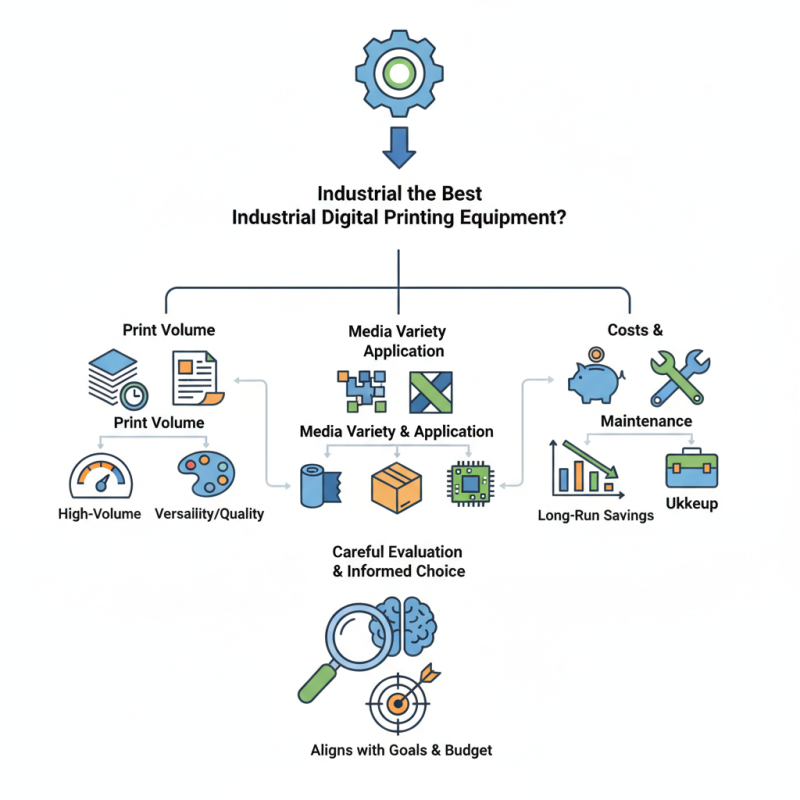
Choosing the right industrial digital printing equipment can seem daunting. The market is flooded with options. Different brands and technologies serve various printing needs and applications. Understanding how to choose industrial digital printing equipment is crucial for businesses looking to improve their productivity and print quality.

Consideration of print volume, media variety, and the intended application is essential. While some machines excel in high-volume tasks, others shine in versatility and quality. Companies must analyze their specific requirements before making a decision. Reflecting on real-world experiences from other businesses can provide valuable insights.

It's also important to account for ongoing costs and maintenance. Investing in high-quality equipment may provide savings in the long run. However, every choice has its pros and cons. Continuous learning and adaptation will help in optimizing the decision-making process. Through a careful evaluation, businesses can make a more informed choice that aligns with their goals and budget.
How to Choose the Best Industrial Digital Printing Equipment?

Understanding Your Printing Needs and Objectives

When evaluating industrial digital printing equipment, it is crucial to assess your specific printing needs and objectives. Understanding what you aim to achieve will guide you in making the right choice. Determine the types of materials you will print on. Consider paper, plastic, fabric, or metal surfaces. Each medium may require different technologies.

Tips: Identify the volumes you plan to print. High-volume needs may direct you toward faster, more robust machines. If your focus is on quality, prioritize equipment known for its fine detail capabilities. Research users' reviews or case studies to gain insights into real-world applications.

Evaluate your production workflow. Are you looking for speed over detail, or do you need both? Think about integration with existing systems. Discrepancies can lead to costly delays and inefficiencies. Don’t overlook the importance of ongoing maintenance. Some machines may require specialized knowledge for repairs, which can impact your operations.

Tips: Examine support options from the manufacturers. Reliable support can enhance your printing capabilities and ensure optimal performance. Always reflect on your long-term goals. Technology evolves rapidly, so what works today may not suffice tomorrow.

Evaluating Different Types of Industrial Digital Printing Equipment

When evaluating different types of industrial digital printing equipment, consider various factors that influence performance and efficiency. The technology used plays a vital role. Inkjet, laser, and UV printing are common options. Each has unique features and benefits. Inkjet printers excel in vivid color reproduction. Laser printers offer speed and precision. UV printers provide durability and versatility.

Assessing the printing volume is crucial. High-demand environments need robust machines that can handle large scales. Consider the materials you intend to print on. Some printers are limited to specific substrates. Investigate the resolution capabilities too. A machine that achieves high DPI can produce clearer images. However, it's essential to balance quality with production speed.

Maintenance and support should not be overlooked. Ensure there’s adequate technical support available. Regular maintenance is critical for long-term performance. Reflections on initial costs can be misleading. A cheaper upfront investment may lead to higher running costs. Evaluate total cost of ownership carefully. Building a reliable equipment strategy can be complex but is necessary for sustained success.

Evaluation of Different Types of Industrial Digital Printing Equipment

Comparing Key Features and Specifications of Equipment

Choosing the right industrial digital printing equipment can be a daunting task. Various features and specifications set different models apart. Evaluating print speed is essential; higher speed is crucial for large production runs. However, it’s important to balance speed with quality. Fast machines may compromise detail, leading to dissatisfaction.

Print resolution also plays a key role. A resolution of 1200 DPI ensures sharp images. But not all jobs demand high resolution. Understanding specific project needs is vital. Materials compatibility is another consideration. Some printers excel with inks on fabrics, while others perform best on rigid substrates. Digging into material specifications can prevent costly errors.

Another important aspect is the software that comes with the equipment. User-friendly interfaces ease operation but may lack advanced features. Complex software can provide more options but may overwhelm new users. Lastly, maintenance requirements vary. Some machines need regular servicing, while others offer simplicity in upkeep. Keeping these factors in mind ensures a more informed decision. Each choice carries implications, making it critical to align equipment with business goals.

Assessing Cost, ROI, and Maintenance Considerations

When evaluating industrial digital printing equipment, cost and ROI are crucial factors. A recent industry report indicates that companies often underestimate operational costs. While initial prices can seem attractive, hidden costs arise, such as energy consumption, materials, and labor. Neglecting these elements can lead to budget overruns.

ROI is another critical aspect. According to a study by InfoTrends, businesses achieving a 15% increase in productivity are more likely to earn back their investment within three years. However, many companies fail to track this metric effectively. Regular assessments can provide insights into whether the equipment meets production goals and financial expectations.

Maintenance considerations cannot be overlooked. Ongoing upkeep can substantially impact overall profitability. Having a plan for regular maintenance, including routine checks, can reduce downtime and extend the lifespan of the equipment. Yet, many firms struggle with maintenance schedules, often leading to unexpected failures and costs. Balancing these factors is vital for making informed decisions in the fast-paced printing industry.

Researching Brands and Customer Reviews for Trusted Options

When choosing industrial digital printing equipment, researching brands and customer reviews can significantly impact your decision. According to industry reports, 68% of buyers rely on customer feedback to guide their purchases. Understanding real users' experiences with different machines can reveal strengths and weaknesses that technical specifications may overlook.

Look for detailed reviews on functionality, print quality, and reliability. Online platforms provide a wealth of information. However, not all reviews are equal. A recent study found that 45% of reviews may contain biased opinions. Be cautious about overly positive or negative feedback. Critical analysis of multiple sources can provide a more balanced view.

Industry insights indicate that durability and maintenance costs are significant factors in equipment longevity. Many customers report frustrations related to ongoing repairs. This is an essential consideration, as repair costs can add up quickly. Thorough research can help you avoid pitfalls. Take the time to read through user experiences and industry reports. Adopting a well-informed approach increases the chances of selecting reliable printing equipment.

FAQS

: What should I consider when choosing industrial digital printing equipment?

: Key features include print speed, resolution, material compatibility, and software usability.

Why is print speed important?

Higher speed is crucial for large production runs but can affect print quality. Balance is necessary.

How does print resolution affect output?

A resolution of 1200 DPI provides sharp images. Yet, not all projects need such high resolution.

What role does materials compatibility play?

Some printers are better for fabrics, while others suit rigid substrates. Knowing your materials is essential.

How important is the software that comes with the equipment?

User-friendly software simplifies operations, but complex systems may offer advanced options that could overwhelm beginners.

What maintenance considerations should I keep in mind?

Regular upkeep is vital. Neglecting maintenance can lead to unexpected costs and equipment failures.

How can I assess the ROI of my equipment?

Track productivity metrics. Businesses with a 15% increase in productivity often recover investments within three years.

What hidden costs should I consider?

Look out for energy consumption, materials, and labor costs. These can lead to budget overruns if overlooked.

What can happen if maintenance is neglected?

Poor maintenance can cause downtime and shorten equipment lifespan, impacting overall profitability.

What is a common challenge in maintenance management?

Many companies struggle with adhering to maintenance schedules, leading to unexpected failures.

Conclusion

Choosing the right industrial digital printing equipment is crucial for meeting your specific printing needs and objectives. To begin, it's essential to thoroughly understand your requirements, as this will guide you in evaluating the different types of equipment available. Key factors to consider include the printing process, material compatibility, and production volume to ensure optimal performance.

When learning how to choose industrial digital printing equipment, comparing key features and specifications is vital. Look into cost considerations, return on investment (ROI), and maintenance needs to make an informed decision. Additionally, researching reputable brands and examining customer reviews can provide insights into the reliability and performance of various options, helping you select equipment that aligns with your operational goals.

Sophia

Sophia

Sophia is a dedicated marketing professional with an exceptional depth of knowledge about her company's products and services. With a keen understanding of market trends and customer needs, she crafts insightful blog posts that not only inform but also engage readers, enriching the company’s online......