Top 10 Tips to Choose Printing Solutions for Mass Production?

Time:2026-09-14 Author:Aria
0%

Choosing a printing system for mass production is rarely a simple equipment decision. It is a production strategy.

Manufacturers must compare speed, print quality, substrate range, labor, maintenance, and total operating cost. A machine may produce sharp samples but struggle during a twelve-hour shift. A cheaper system may demand more cleaning, setup time, or operator attention. These details affect delivery schedules and customer trust.

This guide explains how to select the best printing solution for large scale production through ten practical considerations. It examines digital, offset, flexographic, gravure, and hybrid technologies. Each method has strengths, limitations, and different cost patterns. For example, offset printing can deliver consistent color across large runs, while digital printing supports variable data and shorter setup times. Flexographic systems may suit packaging lines requiring high throughput and specialized substrates.

Frank Romano, a respected printing industry educator and analyst, has said, “Print is not dead; it is simply changing.” His observation remains relevant because production needs continue evolving. Automation, ink technology, inspection systems, and sustainability targets now influence buying decisions.

The best solution is not always the fastest press. It must fit the actual workflow. Consider monthly volume, artwork changes, color tolerances, available floor space, and technical support. Request production samples, not only showroom demonstrations. Test the system with real materials.

No checklist removes every risk. A promising sample can still fail at scale. Careful trials, documented measurements, and honest cost reviews create a more reliable decision. This approach helps teams invest with confidence, while leaving room to question assumptions before production begins.
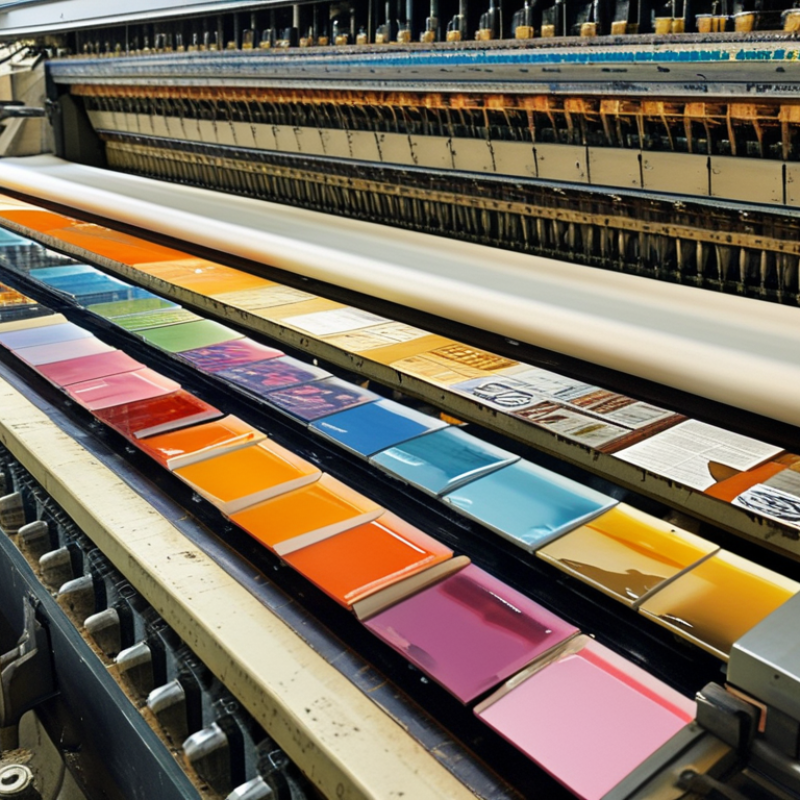
Top 10 Tips to Choose Printing Solutions for Mass Production?

Define Volume and Run Length: Offset Presses Reach 15,000 Sheets per Hour

Mass production starts with a clear estimate, not a hopeful guess. Define monthly volume, order frequency, sheet size, paper weight, colors, and finishing needs. Separate one-time launches from repeat orders. This distinction changes the equipment decision. Offset presses can reach up to 15,000 sheets per hour under suitable conditions. Real output is lower when setup, plate changes, drying, inspection, and paper handling are included. Speed matters only when the schedule supports it.

Tip: Calculate run length before requesting quotations. A 20,000-sheet job may favor offset printing because setup costs are spread across many copies. Shorter runs may need a different process, especially when artwork changes often. Ask for makeready time, average waste, and achievable hourly output, not only headline speed. Tip: Test the full workflow. Request samples using the intended stock, ink coverage, folding, and binding. Check registration, color consistency, and scuff resistance under ordinary handling.

Fast printing does not guarantee fast delivery. Finishing may become the bottleneck. Tip: Map every stage from file approval to packing. Add realistic buffer time for maintenance and reprints. Keep a written production record. It improves accountability and makes future estimates more accurate. A perfect forecast is unlikely. A transparent one is more useful.

Top 10 Tips to Choose Printing Solutions for Mass Production

Define volume and run length before selecting a printing process. At a stated offset press speed of 15,000 sheets per hour, the estimated press time increases directly with the required run length.

Calculation basis: Estimated press time = run length ÷ 15,000 sheets per hour. The figures exclude setup, plate making, makeready, drying, finishing, and downtime. Actual production speed varies with sheet size, paper stock, ink coverage, and job complexity.

Match Quality Goals with ISO 12647 Color-Control Requirements

Top 10 Tips to Choose Printing Solutions for Mass Production?

Mass production needs repeatable color, not attractive samples alone. ISO 12647 defines measurable targets for process control, substrate behavior, ink density, and tone value. These requirements should guide equipment selection from the first press test. A machine may print vivid sheets, yet fail when paper moisture changes. That is a costly blind spot.

Smithers’ The Future of Global Printing to 2028 estimates the worldwide print market will reach about 843 billion US dollars by 2028. At this scale, small color shifts multiply across thousands of sheets. Choose systems that support spectrophotometer readings, calibration logs, and standardized proofing. Check whether operators can compare production sheets against an approved reference under controlled lighting. ISO compliance is practical here, not decorative paperwork.

Ask suppliers for measured results on your actual stock. Review ΔE variation across runs, not only the best single sheet. Fogra’s process-control guidance also stresses consistent measurement conditions and documented profiles. That detail matters when different shifts handle the same job. Perfect color is not always realistic. However, unexplained color drift is unacceptable. One overlooked variable, such as drying time, can weaken an otherwise strong workflow. A useful trial should include speed changes, restarts, and a full production batch. Short demonstrations can hide real weaknesses.

Compare Digital, Offset, and Inkjet Costs Above 10,000 Impressions per Hour

At more than 10,000 impressions per hour, press speed changes the cost equation. Digital printing limits setup waste and supports short, customized runs. Its click cost can remain high, especially with heavy coverage or specialty media. Still, fewer plates and less manual adjustment may reduce labor costs.

Offset printing often becomes attractive when volumes stay large and images remain consistent. Plate preparation adds time, materials, and startup waste. However, the unit cost can fall sharply after setup. I have seen estimates fail when they ignore makeready sheets, color checks, and the cost of storing unused inventory.

Inkjet production presses sit between these models. They can deliver high speed with variable data and fewer physical setup steps. Yet ink consumption depends heavily on coverage, paper treatment, and drying requirements. A small change in artwork can affect the budget. Actual output may also drop below the rated 10,000 impressions per hour.

Compare total cost per saleable sheet, not the advertised speed. Record paper, ink or toner, plates, energy, operators, maintenance, waste, and finishing. Ask for a timed sample on your own stock. That test may reveal slower drying or weaker color than expected. My own preference is to calculate three scenarios: steady volume, frequent job changes, and unexpected reprints. The middle case is often the least comfortable.

Top 10 Tips to Choose Printing Solutions for Mass Production
Compare Digital, Offset, and Inkjet Costs Above 10,000 Impressions per Hour

Practical comparison benchmarks for production planning at volumes exceeding 10,000 impressions per hour

# Selection Tip Digital Toner Offset Lithography Production Inkjet
1 Confirm the required speed Typically about 10,000–20,000 A4-equivalent impressions per hour, depending on sheet size, media, and color mode. Commonly about 15,000–18,000 sheets per hour on high-speed commercial presses; actual output falls with makeready and finishing. Web systems can exceed 10,000 impressions per hour by a wide margin; sheetfed systems vary considerably by model and substrate.
2 Match volume to the cost curve Usually economical for short and medium runs because there are no plates and setup waste is low. Usually offers the lowest unit cost for long, repeatable runs after plates, setup, and color approval are absorbed. Can be cost-effective for medium-to-long runs, especially when variable data or frequent job changes are required.
3 Calculate total job cost Include click or consumable charges, toner, imaging units, paper, labor, energy, and finishing. Include plates, make-ready sheets, ink, fountain solution, wash-up, labor, paper waste, energy, and finishing. Include ink, printheads, maintenance contracts, primer or coating, drying or curing energy, paper, and finishing.
4 Measure setup and changeover time Changeovers are generally fast because files are digital; calibration and substrate changes still require time. Plate production, mounting, registration, ink balancing, and color approval can add substantial setup time. Digital file changes are fast, but flushing, priming, drying adjustments, or substrate preparation may be required.
5 Evaluate variable-data needs Excellent for personalized text, barcodes, images, versioning, and secure numbering on every impression. Best for static content; variable data normally requires additional workflows or hybrid solutions. Excellent for high-volume personalized direct mail, transactional documents, labels, and publishing.
6 Check substrate compatibility Supports many coated and uncoated stocks, but media must be certified for fusing temperature and toner adhesion. Works with a broad range of commercial papers, boards, and specialty stocks when press settings are properly controlled. Substrate requirements depend on ink chemistry; ink absorption, coating, drying, and cockling must be tested.
7 Compare color consistency Provides stable digital repeatability with calibration, profiling, and suitable media; solid fills may need careful control. Strong choice for standardized process color and spot-color work when press control and operator expertise are high. Modern systems provide strong consistency, but ink-substrate interaction and drying conditions affect density and gamut.
8 Estimate waste and sustainability Low startup waste and no plates; energy use can rise with fusing and high-volume operation. Higher setup waste is common, although efficient long runs can reduce waste per finished copy. Low setup waste and no plates; drying energy, ink consumption, and substrate treatment should be included.
9 Review uptime and maintenance Plan for imaging-unit, fuser, belt, and toner-system maintenance; uptime depends on duty cycle and service response. Requires regular blanket, roller, plate, ink, lubrication, and wash-up maintenance, plus skilled press operators. Printheads, ink delivery, filtration, drying, and nozzle monitoring are key maintenance areas.
10 Select the right operating model Best for many short runs, fast turnaround, personalization, and on-demand production. Best for large, stable volumes with limited versions and strict requirements for unit-cost efficiency. Best for high-throughput variable data, transactional work, direct mail, books, labels, and frequent version changes.
Planning note: Speed and cost figures are representative industry planning ranges rather than guaranteed machine specifications. Actual performance depends on sheet size, image coverage, substrate, color mode, finishing, operator time, maintenance, and job mix. For a valid quotation, compare the complete cost per finished piece at the same page size, coverage, quality target, and production volume.

Evaluate Materials, Formats, and Inkjet Speeds Up to 100 Meters per Minute

Choosing a mass-production printing solution starts with the material, not the machine. Test coated paper, uncoated stock, films, and folding board under real production conditions. Absorption changes dot gain, drying time, and color density. Surface curl can also disrupt feeding. A small laboratory sample may look perfect, yet fail after six continuous hours.

Format decisions matter just as much. Measure the required web width, repeat length, sheet size, and variable-data volume. A wider format can reduce waste, but it may increase drying demands. Digital packaging print was valued at about 22 billion dollars in 2023 and may reach 36.9 billion dollars by 2028, according to Smithers’ The Future of Digital Print for Packaging to 2028. This growth makes flexible formats more valuable, but only when workflow software and finishing equipment can keep pace.

Inkjet speed requires careful interpretation. A rated speed of 100 meters per minute does not equal 100 sellable meters. Operators must account for make-ready time, nozzle checks, drying, inspection, and rejected output. Measure net throughput during a full shift. Track color variation with calibrated instruments and documented procedures aligned with ISO 12647 principles. I have found that slower settings sometimes deliver better economics. That feels counterintuitive. Still, stable color and fewer stoppages can protect delivery schedules better than impressive speed alone. drupa’s Global Trends reports repeatedly identify productivity and investment pressure as major industry concerns, making measured performance more reliable than brochure claims.

Audit Workflow, Finishing Capacity, Waste Rates, and Total Production Cost

Tip: Audit the workflow before comparing press prices. Map file checks, proof approval, plate preparation, printing, drying, cutting, folding, packing, and delivery. Record queue time and rework at every handoff. Smithers’ The Future of Global Printing to 2028 values worldwide print production at about $840 billion in 2023. Scale is substantial, but hidden delays can still erase margin. A spreadsheet is useful. It is not always honest.

Tip: Test finishing capacity with your real job mix. Ask for hourly throughput, changeover time, maximum sheet size, and backup procedures. A press may produce 15,000 sheets per hour, yet a slow folder can create a warehouse of unfinished work. Run a witnessed trial using your paper, ink coverage, binding, and packing requirements. Measure damaged sheets, not only approved copies. ISO 12647-2 provides useful process-control targets, but actual production conditions remain decisive.

Tip: Calculate waste and total production cost together. Include setup sheets, color corrections, rejected finishing, energy, labor, storage, freight, and late-delivery penalties. The U.S. Environmental Protection Agency reported 67.4 million tons of paper and paperboard in municipal solid waste generation in 2018, with roughly 46 million tons recycled. That broader figure shows material recovery matters, but recycling does not make waste free. My practical warning is simple: never accept a supplier’s “standard waste rate” without job-level evidence. One overlooked reprint can change the entire quotation.

FAQS

Why should a production printer follow measurable color standards?

Mass production needs repeatable color, not only attractive samples. Measurable targets control ink density, tone, and substrate behavior. A small shift can spread across thousands of sheets. Controlled lighting helps operators compare sheets with an approved reference. Color perfection is difficult. Unexplained drift is not acceptable.

What should suppliers test before equipment selection?

Ask suppliers to print on your actual paper stock. Review color variation across several runs. Do not judge one excellent sheet. Test speed changes, restarts, and a complete production batch. Short tests mislead. Record calibration data and measurement conditions.

How do digital, offset, and inkjet systems differ in cost?

Digital systems can reduce setup waste and support customized short runs. Offset systems may lower unit costs after large-volume setup. Inkjet systems offer speed and variable data, but ink use varies with coverage. Compare the cost per saleable sheet. Advertised speed is not enough.

Which costs should be included above 10,000 impressions per hour?

Include paper, ink or toner, plates, energy, labor, maintenance, waste, and finishing. Add setup sheets and color-checking time. Heavy coverage may increase ink costs. Drying problems can slow output. The math changes.

How can a real production trial reveal hidden weaknesses?

Use your own paper, artwork, coverage, and finishing requirements. Time the complete process, not only the press stage. Check drying, color stability, damaged sheets, and restart performance. A rated speed may fall during real work. That detail matters.

Why must finishing capacity be audited with printing capacity?

A fast press can overwhelm a slow folder or cutter. Ask about hourly throughput, changeover time, sheet size, and backup procedures. Measure unfinished stock waiting between stages. A warehouse of half-finished work is still a delay. The workflow may look efficient on paper.

How should production waste be measured?

Count setup sheets, rejected prints, color corrections, damaged finishing, and unexpected reprints. Measure waste for each job, not only a general percentage. Recycling helps, but it does not remove labor or material costs. One overlooked reprint can change the quotation.

Which production scenarios should cost comparisons include?

Calculate steady volume, frequent job changes, and unexpected reprints. Include storage, freight, energy, labor, and late-delivery effects. The middle scenario often feels least comfortable. It may be the most realistic. My estimate could still miss an unusual failure.

Conclusion

Selecting the right equipment for mass production begins with a clear understanding of volume, run length, and delivery expectations. To determine how to select the best printing solution for large scale production, assess whether offset, digital, or inkjet technology can meet the required output and cost targets. Offset presses may reach approximately 15,000 sheets per hour, while high-speed inkjet systems can operate at speeds of up to 100 meters per minute. For workloads exceeding 10,000 impressions per hour, compare total operating costs, setup time, consumables, labor, and maintenance rather than focusing only on purchase price.

Quality requirements should also align with recognized ISO 12647 color-control practices, especially when consistent color reproduction is essential. Review the materials, sheet or web formats, substrate compatibility, and finishing capabilities before making a decision. Finally, audit the complete workflow, including automation, production bottlenecks, waste rates, inspection procedures, and post-press capacity. A solution that balances speed, quality, flexibility, and total production cost will support reliable, efficient, and scalable manufacturing.

Aria

Aria

Aria is a dedicated marketing professional with a deep passion for innovative strategies and a keen understanding of our company's product offerings. With a wealth of experience in the industry, Aria excels at crafting engaging content that highlights the unique features and benefits of our......