Choosing the right ink for digital printing is a crucial decision. It impacts print quality, durability, and costs. Many businesses overlook this aspect. However, understanding how to choose the right ink for digital printing can transform your projects.
Digital printing technology is evolving rapidly. Different inks serve different purposes and materials. Dye-based inks are vibrant but may fade over time. Pigment-based inks offer longevity but can be more expensive. This choice directly affects the final output.
The right ink can reduce waste and enhance productivity. Quality inks perform better across various substrates. However, selecting the right ink requires knowledge. Sometimes, what seems appealing may not be the best choice. Being aware of these nuances can lead to better outcomes in all your printing endeavors.
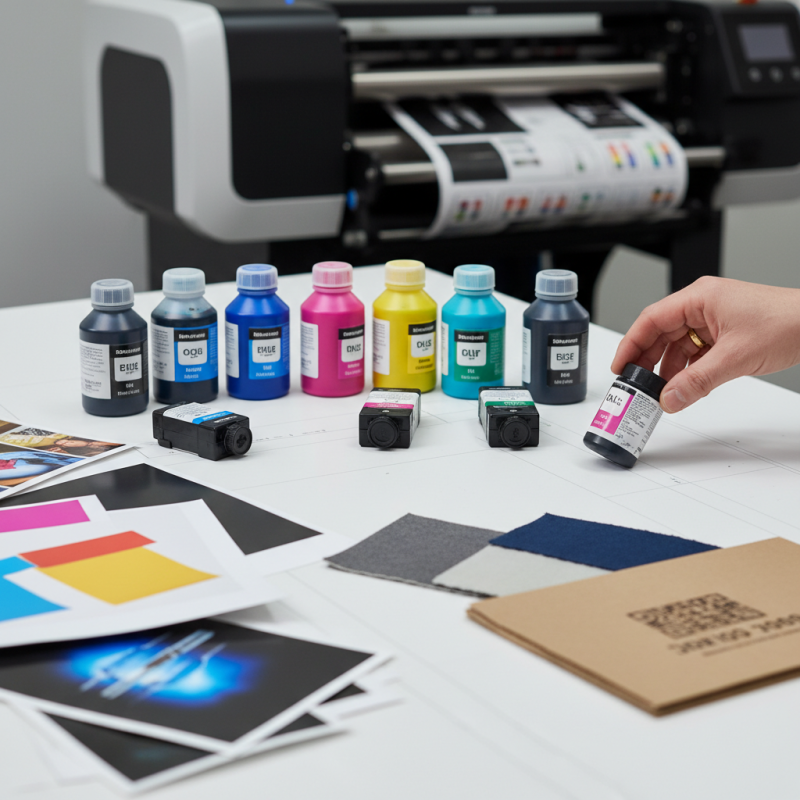
In digital printing, ink selection is vital. The right ink can enhance color accuracy, durability, and overall print quality. Choosing unsuitable ink may lead to faded colors or poor adhesion. Every printing project is unique, requiring careful consideration of inks for optimal results.
When selecting ink, consider its compatibility with your printer and media. The viscosity, drying time, and color fastness should align with your project needs. For example, water-based inks are excellent for eco-friendly projects, but they may not perform well on glossy surfaces.
Tips: Conduct small test prints before committing to larger runs. Test various inks to compare their behavior on different media. Remember, a mismatch in ink and substrate can lead to poor outcomes. Research and rely on expert knowledge to ensure the best choices.
Choosing the right ink is crucial in digital printing. Different types of inks have unique properties. These properties can affect color accuracy, durability, and drying time. Ink is not just a medium; it influences the final product's quality.
Water-based inks are popular for their eco-friendly nature. They are easy to use and dry quickly. However, they may not be suitable for glossy finishes.
Solvent-based inks offer vibrant colors and excellent durability. Yet, they can emit strong odors and require safe handling.
Dye-based inks are known for their vivid colors. They work best on uncoated materials. On the other hand, pigment-based inks are more resistant to fading. They are ideal for archival quality prints. Understanding each type of ink helps to avoid mistakes. It ensures that the final product meets expectations.
Choosing the right ink is crucial for digital printing. Ink quality directly impacts print durability and longevity. Research shows that pigments in inks enhance resistance to fading. For instance, studies reveal that high-quality inks can last up to 200 years when stored under proper conditions. This enhances the value of printed materials, particularly in fine art and archival work.
In contrast, low-quality inks may lead to premature degradation. Prints made with inferior inks often show signs of fading within a few months. A report by the Printing Industries of America highlights that around 30% of printed products fail quality tests due to poor ink selection. This not only wastes resources but also damages the reputation of printing companies.
High-quality ink may come at a higher initial cost, but it pays off in the long run. Affordable inks might compromise print integrity. A 2019 survey indicated that businesses using quality inks experienced a 40% reduction in reprints. This is a significant saving and illustrates the importance of investing in reliable ink for sustaining vibrant and long-lasting prints.
| Ink Type | Durability Rating | Lightfastness (Years) | Water Resistance | Cost per Liter ($) |
|---|---|---|---|---|
| Dye-Based Ink | Moderate | 2-5 | Low | 50 |
| Pigment-Based Ink | High | 10-100 | High | 150 |
| Eco-Solvent Ink | High | 5-10 | Moderate | 75 |
| UV Curable Ink | Very High | 15-20 | Very High | 200 |
| Latex Ink | High | 8-12 | High | 120 |
Choosing the right ink for digital printing is crucial for achieving desired results. Various factors influence this decision, impacting both quality and cost. The type of project often dictates the ink choice. For example, vibrant colors are essential for marketing materials. Meanwhile, subtle hues work better for fine art prints.
Substrates also play a vital role. Different inks adhere to surfaces differently. Some inks may smear on glossy paper, while others may not absorb well on fabrics. Understanding these nuances can lead to better outcomes. An experimentation phase can reveal the best matches for specific materials.
Environmental considerations cannot be overlooked. Eco-friendly inks may require a trade-off in intensity or drying time. Balancing sustainability and performance becomes a challenge. Errors in selection can lead to regret, especially if a project falls short of expectations. Rethinking ink choice based on project size, budget, and intended audience can refine the final product.
When selecting inks for digital printing, environmental considerations play a crucial role. Many inks contain harmful solvents and chemicals that can pollute the environment. Choosing inks with fewer volatile organic compounds (VOCs) can significantly reduce air pollution. This is vital, especially in urban areas where air quality is already compromised.
Eco-friendly inks offer a sustainable alternative, but they may not provide the same color vibrancy or durability. It’s essential to weigh these factors carefully. For instance, water-based inks are often better for the environment. However, they may require specific printing equipment. This mismatch can lead to inefficiencies and unexpected costs for businesses.
Moreover, implementing greener practices can sometimes seem like a trade-off. Some companies prioritize cost over environmental impact. But, investing in sustainable inks can enhance brand reputation and attract eco-conscious customers. There's always room for improvement in choosing materials. The goal should be to balance quality, performance, and environmental responsibility.
: Ink selection is crucial as it affects color accuracy, durability, and overall print quality.
Unsuitable ink can lead to faded colors or poor adhesion, resulting in disappointing prints.
Consider compatibility with your printer, viscosity, drying time, and color fastness.
Yes, water-based inks are eco-friendly but may not perform well on glossy surfaces.
Solvent-based inks offer vibrant colors and durability but require safe handling due to strong odors.
Dye-based inks provide vivid colors, while pigment-based inks resist fading and suit archival prints.
Many inks contain harmful solvents that can pollute the environment and reduce air quality.
Eco-friendly inks may lack vibrancy and durability compared to traditional options; it's a trade-off.
Yes, conducting small test prints helps compare ink behavior on various media to avoid mistakes.
Companies can research materials and seek expert advice to balance quality, performance, and sustainability.
Choosing the right ink for digital printing is crucial for achieving optimal results in print quality and longevity. Different types of inks, such as dye-based, pigment-based, and eco-solvent inks, serve distinct purposes and have varying effects on color vibrancy and durability. Understanding how ink quality impacts the durability and longevity of prints is essential, as higher-quality inks can withstand environmental factors better, ensuring longer-lasting results.
When considering how to choose the right ink for digital printing, various factors come into play, including the specific requirements of the print project, substrate compatibility, and intended usage. Additionally, environmental considerations, such as the sustainability of the ink and its impact on health, further complicate the decision-making process. Ultimately, careful selection of ink can significantly enhance the quality and lifespan of printed materials while also being mindful of eco-friendly practices.

Axis Print