Digital printing has transformed the manufacturing landscape, raising the question: is digital printing cost effective for mass production? As we approach 2026, this inquiry gains urgency. Manufacturers seek efficient methods to meet rising demands and customizations without sacrificing quality.
In recent years, digital printing technology has advanced significantly. Traditional methods often face limitations with setup costs and lengthy production times. Yet, digital printing offers flexibility and speed. It allows for shorter runs without substantial cost penalties. Companies can produce smaller batches, which appeals to niche markets. However, the initial investment in high-quality digital printers remains substantial.
While many benefits exist, challenges persist. Quality assurance remains vital. Inconsistent results can undermine brand reputation. Additionally, the cost of materials may fluctuate, impacting overall savings. The financial question is complex. Each business must evaluate its specific needs. As the industry evolves, the definition of cost-effectiveness will also adapt. Companies must remain vigilant and ready to reassess their strategies.
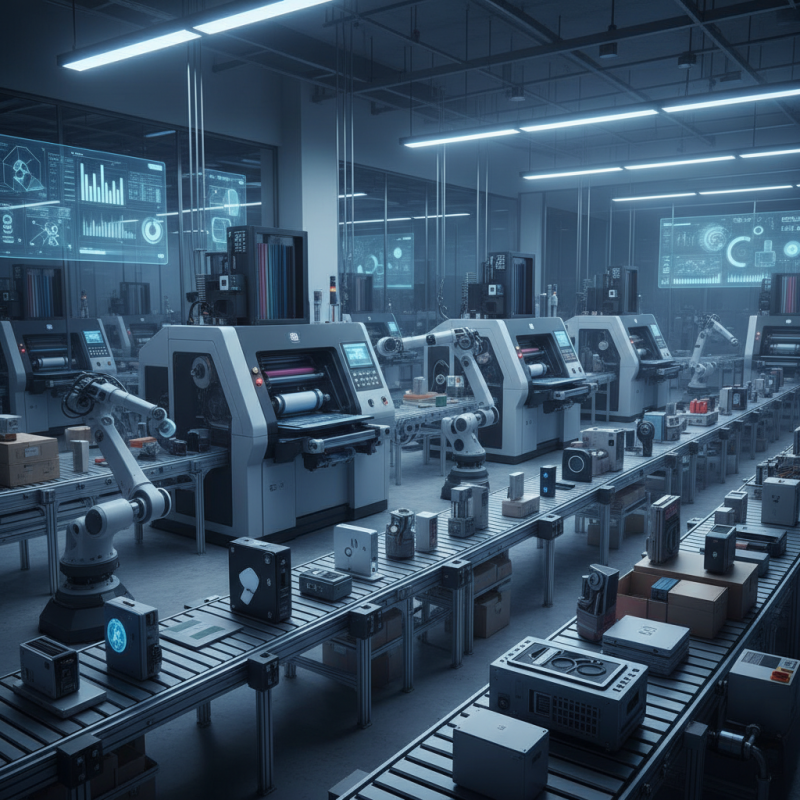
In 2026, digital printing continues to transform the landscape of mass production. Its efficiency and flexibility appeal to various industries. Digital methods excel in producing short runs and variable data prints. However, there are still challenges. Setup costs can remain high for large volumes. Companies must weigh the initial investment against potential savings.
When comparing costs, traditional printing methods often shine in larger quantities. Digital printing may require more frequent maintenance. The ink and media can be more expensive than traditional resources. Some businesses find it hard to fully embrace digital due to these costs. Evaluating the total cost of ownership is essential.
In some scenarios, traditional printing is more reliable for large orders. But digital printing offers unique advantages, like speed and customization. Decision-makers must consider the specific needs of their production. The landscape of printing is evolving, and what works today may not suit tomorrow’s demands. Embracing change is key in this industry.
In recent years, digital printing has gained traction as a viable alternative to conventional printing methods. Many businesses wonder about the production speed differences. Digital printing offers significant speed advantages for shorter runs. It eliminates the need for extensive setup time. This rapid production capability allows businesses to respond quickly to market demands.
On the other hand, conventional printing processes tend to excel in large-volume production. They benefit from economies of scale. However, the traditional methods come with longer setup times. This delay can hinder quick project turnarounds. While the initial investment in digital printing equipment is often higher, the ongoing operational costs can favor digital for varying quantities.
Despite the advantages, there are challenges with digital printing. Production quality can vary, especially on diverse substrates. Additionally, not all projects are suited for digital processes. Companies need to weigh the benefits and drawbacks carefully. They should assess their specific needs and production goals. The evolving landscape of printing technology requires continuous evaluation.
Digital printing has emerged as a game-changer in mass production. Its ability to minimize material waste is particularly significant. Traditional printing methods often lead to excessive scrap, creating both cost and environmental concerns. In contrast, digital printing can use precise amounts of materials, resulting in less waste overall.
In 2026, environmental impact will remain a priority. Digital printing contributes to sustainability by utilizing advanced technologies. These methods can adapt quickly to changes in design without requiring large quantities of materials. While this sounds promising, it's important to acknowledge potential downsides. There may be instances where the initial investment in digital printers seems high. Additionally, not all materials are easily compatible with digital processes, which could limit options.
Real-world applications show that digital printing can significantly reduce waste in various industries. By customizing production runs, manufacturers can respond better to market demands. However, the industry must continuously address challenges like ink efficiency and substrate limitations. Exploring these aspects open conversations about improving the digital printing landscape for a more sustainable future.
In recent years, digital printing has gained traction in mass production. It caters to the rising demand for customization across various industries. The ability to create tailored products in shorter time frames is revolutionizing how businesses operate. However, this path is not without its challenges.
Customized digital prints can fulfill diverse consumer preferences. Companies can offer unique designs that resonate with individual customers. This flexibility, however, comes at a cost. While digital printing reduces waste, the initial setup can be pricier compared to traditional methods. Companies must weigh the benefits against these costs carefully.
Moreover, the maintenance of digital printing equipment is vital. Frequent breakdowns can lead to delays. Businesses also need skilled staff to operate and maintain the machines. Training is essential but can be resource-intensive. Despite these hurdles, the potential for customization remains a strong market driver. Balancing quality, speed, and cost is crucial for success in this evolving landscape.
In 2026, digital printing technology is evolving rapidly. New equipment is designed to enhance speed and precision in mass production. Recent innovations include higher resolution and faster printing speeds. This enables manufacturers to produce quality prints more efficiently. The cost of ownership for digital printers is also decreasing, making them more accessible.
Investing in advanced digital printing can be daunting. Some companies may hesitate, unsure if this technology will truly meet their needs. While digital printing offers flexibility, traditional methods still hold value in certain contexts. For example, large-volume runs may not always be the best fit for digital technology. Balancing speed, quality, and cost is crucial.
Many businesses are experimenting with different printing techniques. They evaluate the performance of new models against older equipment. This hands-on approach fosters better understanding and helps identify potential shortcomings. However, not all advancements may yield immediate benefits. Companies should consider their specific operational goals before committing.
: Digital printing is faster for short runs. It eliminates extensive setup time, allowing quick market responses.
Conventional printing excels in large volumes due to economies of scale. However, setup times can delay projects.
Yes, production quality can vary on different materials. Not all projects suit digital methods.
Digital printing allows tailored products that meet diverse consumer preferences. Unique designs resonate with individual customers.
Maintaining digital printers is vital. Breakdowns can cause delays, requiring skilled staff for operation and upkeep.
While initial costs may deter companies, decreasing ownership costs may make it accessible and beneficial.
Businesses experiment with various techniques to compare performance. This hands-on approach helps identify potential issues.
Companies need to balance quality, speed, and cost against their specific production goals.
Yes, traditional methods still hold value, especially for large-volume runs that may not suit digital options.
Weighing benefits and costs is essential. Companies must invest in quality control and staff training to succeed.
The article "Is Digital Printing Cost Effective for Mass Production in 2026?" explores the evolving landscape of digital printing in comparison to traditional printing methods. A detailed cost analysis reveals that while initial investments in digital technologies may be higher, the long-term savings from reduced material waste and enhanced production speed significantly impact overall costs. The examination of production speed highlights the efficiency of digital processes, allowing for quicker turnaround times compared to conventional methods.
Moreover, digital printing shows promise in minimizing material waste, contributing positively to environmental sustainability. Its customization capabilities enable manufacturers to meet diverse market demands without substantial cost increases. The article concludes by discussing the technological advances in digital printing equipment anticipated for 2026, reinforcing the question, "is digital printing cost effective for mass production?" As these developments continue to unfold, businesses may find digital printing to be not only viable but also preferable for extensive production needs.

Axis Print