How Does Digital Printing Cut Production Waste Effectively?

Time:2026-05-11 Author:Isabella
0%

Digital printing has transformed the manufacturing landscape. It promises better efficiency and sustainability. Importantly, how does digital printing reduce production waste? This question is vital for businesses aiming to enhance their eco-friendliness while cutting costs.

Digital printing utilizes advanced technology. It minimizes excess materials by printing only what is necessary. Unlike traditional methods, it reduces setup time and allows for quick adjustments. This flexibility helps avoid large runs of unused products. Furthermore, the precise nature of digital printing translates into less discarded material.

Despite these benefits, challenges remain. Many companies may struggle to transition from traditional methods. The initial investment in digital technology can be daunting. Continuous training is crucial for staff. Moreover, the perception of high quality in traditional methods is still prevalent. Addressing these challenges without sacrificing innovation is essential for future growth.
How Does Digital Printing Cut Production Waste Effectively?

Understanding Digital Printing and Its Role in Waste Reduction

Digital printing has transformed the production landscape, particularly in its role in waste reduction. Traditional printing methods often result in significant material waste. According to a 2022 report by Smithers Pira, around 40% of printed materials are discarded during production. Digital printing, however, addresses this issue effectively by using only the necessary amount of ink and media for each print job. This tailored approach greatly minimizes excess waste.

One notable aspect of digital printing is its ability to produce short runs at economical rates. The rise of on-demand printing allows businesses to print only what they need. A 2023 industry study by MarketWatch indicated that companies adopting digital printing techniques saw a 30% reduction in waste generation. This not only leads to cost savings but also contributes to a more sustainable production model. However, some industries still hesitate to make the switch, citing concerns about quality consistency and setup costs.

Furthermore, digital printing supports customization, which can lead to less overproduction of unwanted inventory. Yet, this flexibility also introduces challenges. Not all projects will perform equally well in a digital format, and some may still require traditional methods. As industries adapt, there remains a need for careful consideration of which printing method aligns best with sustainability goals and operational efficiency.

Key Features of Digital Printing that Minimize Production Waste

Digital printing is revolutionizing the production landscape. It significantly reduces waste through its unique characteristics. Unlike traditional methods, digital printing requires no plates or setups. This means fewer materials are used and discarded in the process.

Another key feature is the ability to print on demand. This means products are only created when needed. Companies keep minimal inventory, reducing excess stock. It ensures that resources aren't wasted on unsold items. Furthermore, digital printing allows for quick adjustments. Changes can be made without major delays or extra material costs.

However, this process isn’t without challenges. Sometimes, the initial setup costs can be high, which may deter small businesses. Additionally, not all materials are suited for digital printing. Some substrates may not perform well, requiring further reflection on material choices.

This highlights the importance of careful planning and understanding of the process. Balancing speed and efficiency is crucial for minimizing waste.

Comparative Analysis of Digital Printing vs. Traditional Methods

Digital printing has transformed the production landscape by significantly reducing waste compared to traditional printing methods. Traditional printing often requires large quantities of paper and ink, leading to substantial leftover materials. In contrast, digital printing utilizes on-demand techniques that customize designs and print only what is necessary. This process minimizes excess paper waste and overproduction.


However, digital printing is not without its challenges. While it reduces waste, the initial setup can be costly. Different materials may also yield varying results in quality, raising concerns about consistency. Factors such as ink formulation and substrate type need careful consideration. Utilizing the right equipment and technology becomes essential in maximizing benefits. Addressing these factors not only enhances reliability but also reinforces the commitment to reducing the carbon footprint in printing operations.

Case Studies: Successful Implementation of Digital Printing

Digital printing has transformed the production landscape. Various case studies show its effectiveness in cutting waste. One notable example involves a small publishing company that switched from offset to digital printing. They noticed a significant reduction in leftover materials. This shift allowed them to print on demand. The reduced inventory improved cash flow and space management.

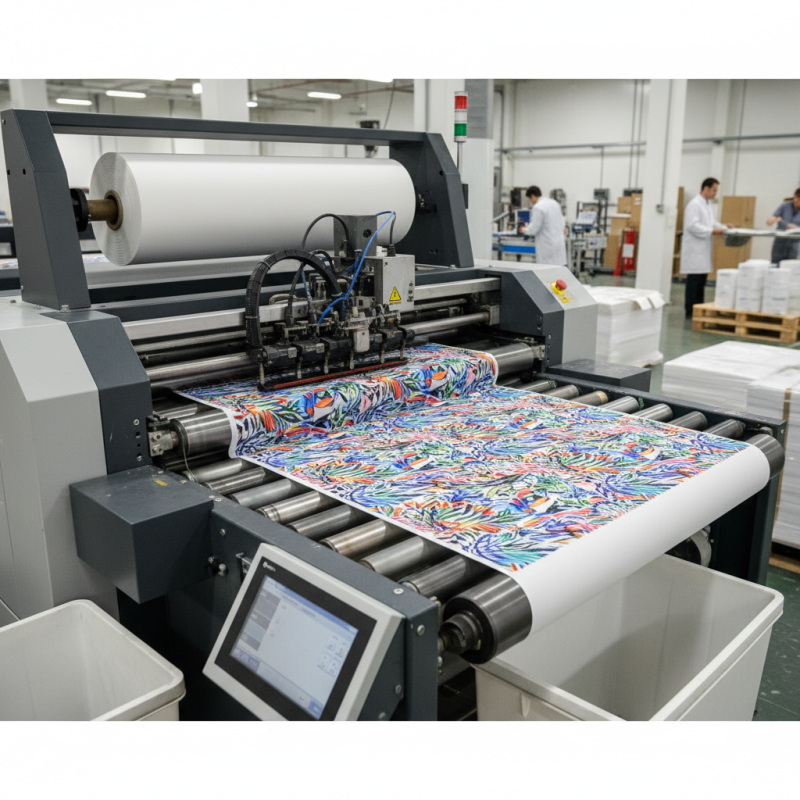
Another case study highlights a textile manufacturer. Before digital printing, they faced high fabric waste due to traditional methods. After implementation, they were able to customize prints easily. This flexibility meant smaller runs for different clients. They reported a 30% decrease in waste after the change. The company found this approach not only eco-friendly but also profitable.

However, the transition is not without challenges. Some companies struggled with the initial costs of digital printing equipment. Others found employee training essential for success. It's crucial to address these issues to fully benefit from digital technology. The journey may include trials and errors, but the advantages often outweigh the difficulties.

How Does Digital Printing Cut Production Waste Effectively? - Case Studies: Successful Implementation of Digital Printing

Case Study Industry Waste Reduction (%) Print Run Size Comments
Project A Packaging 30% 500 units Achieved significant material savings.
Project B Textiles 25% 1000 meters Reduced excess fabric waste.
Project C Label Printing 40% 3000 labels Optimized production process.
Project D Advertising 20% 200 posters Lowered cost and increased efficiency.

Future Trends in Digital Printing and Sustainability Practices

Digital printing is making significant strides toward sustainability. A recent report from Smithers Pira indicates that digital printing waste can be reduced by up to 50%. This reduction is largely due to its on-demand nature. Traditional printing often requires large runs, leading to excess inventory and waste. Digital printing allows for smaller batches, reducing overproduction.

Future trends are pointing toward advanced eco-friendly inks. Water-based inks and biodegradable materials are gaining popularity. According to a study by NAPIM, around 30% of the printing industry is now using environmentally responsible inks. This shift not only benefits the planet but also meets consumer demands for greener products. However, suppliers must ensure that these sustainable options do not compromise print quality.

Transitioning to sustainable practices in digital printing comes with challenges. Many companies lack the resources for a complete overhaul. Inconsistent access to high-quality sustainable materials can also be a barrier. It's crucial for the industry to overcome these hurdles. Continued investment in research and development will be necessary. Only then can digital printing truly maximize its potential for sustainability.

FAQS

: What are the main features of digital printing that reduce waste?

: Digital printing doesn’t require plates or setups, minimizing material usage.

How does on-demand printing benefit companies?

It allows production only when needed, reducing excess inventory and unsold items.

What are some challenges with digital printing?

Initial setup costs can be high, which might deter small businesses from adopting it.

Are all materials suitable for digital printing?

No, some substrates may not perform well, requiring careful material selection.

What trends are emerging in sustainable digital printing?

There's a rise in eco-friendly inks, like water-based options and biodegradable materials.

How much can waste be reduced in digital printing?

Waste can be reduced by up to 50% due to its on-demand nature and smaller batches.

What barriers exist when transitioning to sustainable practices?

Many companies face resource limitations and inconsistent access to quality sustainable materials.

What is essential for maximizing sustainability in digital printing?

Continued investment in research and development is necessary to overcome challenges.

How important is planning in the digital printing process?

Careful planning is crucial to balance speed and efficiency while minimizing waste.

Are consumers demanding more sustainable printing options?

Yes, there’s a growing demand for greener products in the printing industry.

Conclusion

Digital printing has emerged as a significant technology in reducing production waste effectively. By employing a direct-to-surface method, digital printing eliminates the need for multiple manufacturing steps, leading to a more streamlined production process. This approach minimizes excess material usage and reduces the likelihood of overproduction, which are common issues in traditional printing methods.

Key features of digital printing, such as on-demand production and personalized printing capabilities, also contribute to waste reduction. A comparative analysis highlights how digital printing outperforms conventional techniques by lowering setup times and using smaller batch sizes, resulting in less waste generation. Additionally, case studies demonstrate successful implementations of digital printing that underscore its environmental benefits. As sustainability practices continue to evolve, understanding how digital printing reduces production waste will be crucial for industries aiming to adopt greener manufacturing solutions.

Isabella

Isabella

Isabella is a dedicated marketing professional with a sharp focus on driving brand growth and engagement through strategic content creation. With an extensive background in digital marketing, she combines her passion for storytelling with her keen understanding of industry trends to deliver......