Digital printing has transformed the textile industry. It allows for greater creativity and customization. As expert Dr. Emily Hartman states, “Digital printing brings ideas to life with speed and precision.” This method has become essential in modern textile production.
How is digital printing used in textile production? This technique offers a way to create vibrant designs quickly. It reduces waste by printing only what is needed. Brands can experiment with colors and patterns without facing high costs. This flexibility encourages innovation, but it also requires careful planning.
Despite its advantages, challenges exist. Not all fabrics are suitable for digital printing. Some printers struggle to achieve desired color saturation. Industry professionals must stay informed on advancements. Addressing these issues can enhance the potential of digital printing in textiles. Overall, the future looks promising, but continuous adaptation is necessary.
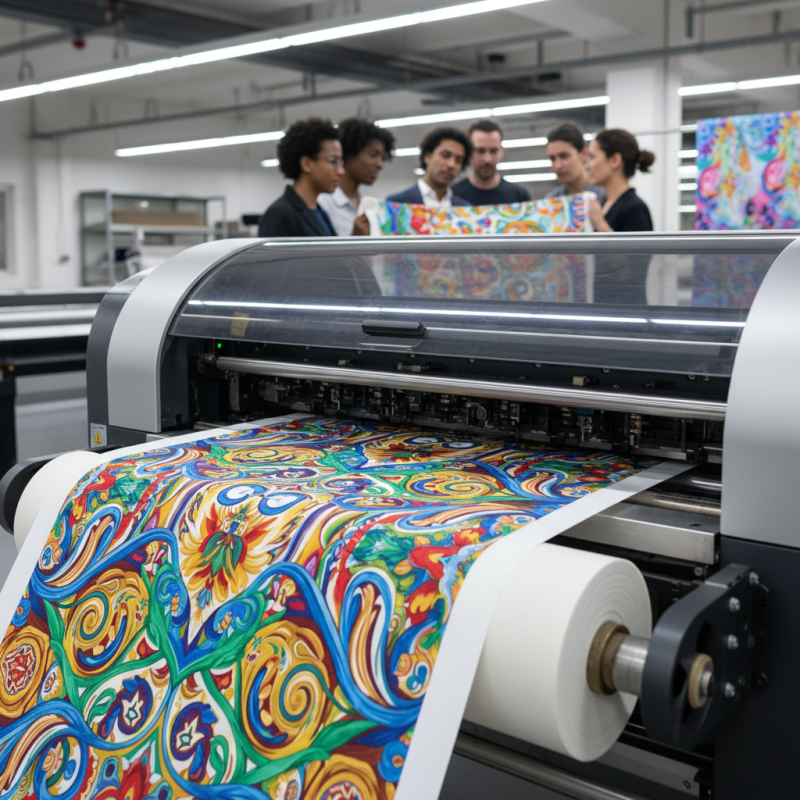
The Role of Digital Printing in Modern Textile Production Efficiency
Digital printing has become a vital part of
modern textile production. It enhances efficiency by reducing waste and streamlining the design process.
According to a report from Smithers Pira, the digital
textile printing market is projected to grow by more than 25% annually. This rapid growth indicates a
shift towards more sustainable practices in textile manufacturing.
One key advantage of digital printing is
speed. Traditional printing methods can take days to set up and produce a design. In contrast, digital
printing allows companies to produce designs in just hours. This
agility is crucial for responding to fast-changing fashion trends. Reports show that over 30% of designers
now prefer digital printing for quick turnarounds.
Tips: Consider investing in software that integrates design with printing technology.
This can optimize your workflow. Additionally, keep an eye on fabric advancements. Some new materials are
designed specifically for digital printing, offering vibrant colors and improved durability.
Despite its advantages, digital printing does have challenges. For example, color consistency can vary between prints. Companies must establish
quality control measures to ensure uniformity. Understanding the limitations of digital printing is equally
important. Not all fabrics work well with this technology, and knowing which substrates are
suitable can save time and resources.
Cost Reduction through Digital Printing in Textile Manufacturing Processes
Digital printing has revolutionized textile manufacturing. It offers significant cost reductions that traditional methods cannot match. The ability to print directly onto fabric eliminates the need for expensive screens and setups. This translates to lower costs and faster turnaround times, allowing manufacturers to produce smaller batches efficiently.
Moreover, digital printing minimizes waste in the production process. Traditional methods often involve surplus fabrics and dyes. In contrast, digital techniques only use what is necessary. This leads to a more sustainable approach, aligning well with current environmental concerns. However, not all manufacturers are fully utilizing these benefits, indicating a need for continuous improvement and adaptation.
Additionally, digital printing enables greater design flexibility. Companies can easily experiment with new patterns and concepts without hefty investments. While this opens up opportunities, it also poses challenges. Businesses must carefully manage the balance between innovation and cost-effectiveness. Failure to innovate could lead to a competitive disadvantage in a rapidly evolving market.
Sustainability Benefits of Digital Textile Printing: A Data-Driven Analysis
Digital textile printing is revolutionizing the textile industry, particularly regarding sustainability. Traditional textile printing methods typically consume large amounts of water and energy. In contrast, digital printing boasts significant reductions in these areas. Reports indicate that digital processes can cut water usage by up to 95%. Such data illustrates the potential for lower environmental impact while still producing vibrant designs.
Additionally, digital printing minimizes fabric waste. In analog printing, excess fabric often ends up discarded. Digital methods allow for on-demand production, which means only necessary quantities are printed. As a result, companies can save on materials and reduce their carbon footprint. According to a study, businesses adopting digital textile printing can see waste reduction rates soar to 40%. This approach enables a more responsible use of resources.
Tip: Transitioning to digital textile printing may seem daunting. However, taking gradual steps can ease the process. Consider starting with smaller projects. Gradually integrate digital methods into your operations to measure effectiveness.
Moreover, it’s important to reflect on the transition journey. Some companies may resist change due to initial costs or technical challenges. Addressing these concerns can lead to a more sustainable future. Investing in training and technology can ultimately yield long-term benefits.
Customization and Flexibility: Digital Printing's Impact on Consumer Choices
Digital printing is transforming textile production, especially through customization and flexibility. This innovation allows consumers to choose designs that truly reflect their style. According to a report from Smithers Pira, the global digital textile printing market is expected to reach $2.6 billion by 2024. This surge indicates a shift in consumer preferences toward unique, personalized products.
Customization in digital printing means that brands can offer small batches of fabrics tailored to individual demands. This enhances consumer experiences and fosters loyalty. A study by the Freedonia Group reveals that over 70% of millennials prefer custom products. However, this process also presents challenges. Not all printers can replicate consistency in quality, especially with limited runs. Brands must balance quality with the increased demand for variety.
The flexibility of digital printing has redefined supply chain processes. This technology reduces lead times significantly, allowing quicker response to market trends. A recent survey cited that 68% of companies reported lower inventory costs with digital methods. While this sounds promising, businesses should be cautious about overproduction. Too much customization could lead to waste if unsold designs are discarded. The challenge lies in managing consumer expectations while maintaining sustainable practices.
Impact of Digital Printing on Consumer Choices in Textile Production
Market Growth: Digital Printing Trends in the Global Textile Industry
The global textile industry is rapidly evolving, with digital printing leading the charge. This technology allows for vibrant colors and intricate designs that traditional methods struggle to achieve. Many manufacturers are transitioning to digital printing for its flexibility. With shorter production runs, brands can adapt to consumer preferences quickly. This shift reflects the growing demand for personalization in textiles.
Market growth trends indicate that digital printing is not just a fad. Projections show significant increases in adoption rates across various sectors, including fashion and home textiles. The speed of production combined with eco-friendly practices positions digital printing as a sustainable option. However, challenges remain. Not all fabrics are compatible with digital processes. Some companies are still hesitant to invest in new technology.
As consumer preferences shift toward unique and sustainable products, digital printing offers solutions. It inspires creativity while addressing environmental concerns. Brands must stay informed to navigate this evolving landscape. Embracing digital technologies could determine future success in a competitive market. Understanding these trends is crucial for anyone involved in textile production.
FAQS
: Digital textile printing significantly reduces water and energy consumption. It can lower water usage by up to 95%.
Digital printing allows for on-demand production, which means only necessary quantities are printed, reducing material waste.
Businesses can achieve a waste reduction rate of up to 40% by adopting digital textile printing methods.
It may seem daunting. However, starting with smaller projects can make the transition easier and more effective.
Initial costs and technical challenges can create hesitation. Addressing these concerns is crucial for sustainability.
Digital printing allows brands to offer small batches of unique products, reflecting individual consumer styles and preferences.
Consistency in quality can be an issue, especially when producing limited runs. Brands must manage quality and variety.
It reduces lead times, enabling quicker responses to market trends and potentially lowering inventory costs.
Overproduction and unsold designs can lead to waste. Balancing consumer expectations with sustainable practices is essential.
Training can address technical challenges, leading to more competent use of technology and better long-term results.
Conclusion
Digital printing has become essential in textile production due to its significant impact on efficiency and cost management. The integration of digital printing techniques streamlines manufacturing processes, enabling textile producers to minimize waste and reduce operational expenses. This technology not only enhances productivity but also offers sustainable solutions by lowering the environmental footprint associated with traditional printing methods.
Moreover, how is digital printing used in textile production? It allows for greater customization and flexibility, catering to consumer demands for personalized designs and small-batch orders. As market trends shift towards unique and tailored products, digital printing plays a crucial role in meeting these expectations while driving growth in the global textile industry. This data-driven approach underscores the transformative benefits of digital printing, making it a cornerstone of modern textile manufacturing.

 Axis Print