Digital printing is reshaping various sectors, and the ceramics industry is no exception. Recent reports indicate that the global ceramic market reached approximately $221 billion in 2022. This growth aligns with how digital printing is transforming the ceramics industry. With digital printing technology, companies can create intricate designs and patterns that were once unthinkable.
According to a study, the digital printing market in ceramics is expected to grow at a CAGR of around 16.5% from 2023 to 2028. This surge reflects how businesses are shifting to demand personalization and customization. However, the transition to digital can be challenging. Not all companies have the resources or knowledge to adapt quickly. The investment in new technology might seem daunting, but the payoff can be substantial.
While digital printing enhances production efficiency, it is crucial to address the potential learning curve involved. Companies must invest in training and development for their workforce. The success of this transformation hinges not only on technology but also on the people behind it.
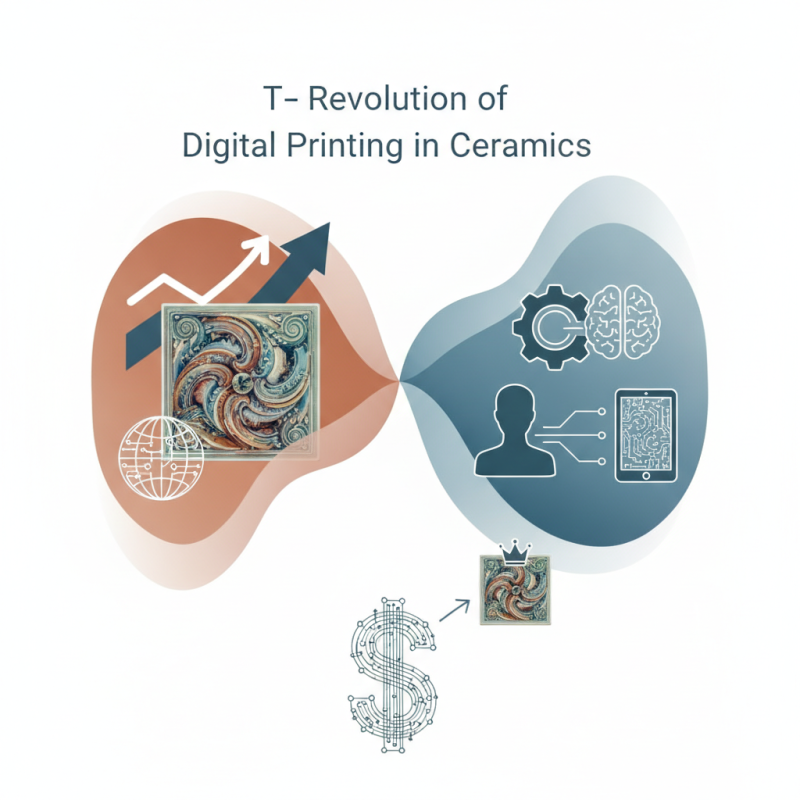
Digital printing has significantly impacted the ceramics market. Traditional methods often face limitations in design and customization. The introduction of digital printing technology allows for intricate patterns and unique designs. Research shows that the global digital printing market in ceramics is anticipated to grow by 17% annually through 2026. This growth highlights its increasing importance in the industry.
The ability to produce small runs without compromising quality is transformative. Manufacturers can now create personalized ceramic products more efficiently. According to a recent report, 75% of companies have seen increased customer engagement due to personalized designs. This shift reflects a broader trend towards customization in consumer products.
Tips for embracing digital printing:
Invest in training your staff to operate new machines effectively. This ensures that your team can fully leverage the technology's potential. Additionally, continuously gather customer feedback to improve designs. Adapting to consumer preferences is essential for staying relevant. Remember, not every design will resonate; learn from what doesn't work to refine your approach.
The ceramics industry is experiencing a significant shift with the rise of digital printing. Recent reports indicate that digital printing adoption is growing by 25% annually. This surge is due to the technology's ability to produce intricate designs with high precision. Digital printing allows for customization, reducing waste and improving efficiency.
However, the transition is not without its challenges. Many manufacturers face hurdles in integrating new equipment into existing workflows. Understanding the learning curve is crucial. Digital printing requires different skills compared to traditional methods. Employees may need additional training and resources, which can strain budgets.
Tip: Embrace small-scale pilot projects before fully committing to digital printing. This approach can minimize risks and provide insight into best practices. Investing in employee training is essential for a smooth transition. As the industry evolves, staying informed about emerging technologies is vital. Keeping an eye on market trends can help companies remain competitive in this rapidly changing landscape.
Digital printing is transforming the ceramics industry. Several key innovations are driving this change. Advanced inkjet technology has significantly improved the quality of ceramic prints. Reports indicate that the digital ceramic printing market is projected to reach $3.5 billion by 2025, growing at a CAGR of 7.5%. This rapid growth highlights the importance of digital methods in today’s manufacturing landscape.
One major advancement is the ability to print on various surface textures. This flexibility allows for creative designs that traditional methods often can't achieve. Additionally, digital printing reduces waste. According to industry studies, up to 30% less ink is used compared to traditional processes. However, this technology is not without challenges. Calibration issues and color consistency remain concerns for manufacturers.
Sustainability is another area of focus. Digital printing can minimize energy consumption. A recent study showed that companies implementing digital workflows experienced a 20% reduction in energy use. However, not every ceramic producer is ready to make the transition. Training staff and updating equipment can pose significant hurdles, especially for smaller enterprises. The path to revolutionizing ceramics through digital printing is promising but complex.
Digital printing has transformed the ceramics industry significantly. One major advantage is cost efficiency. Traditional methods often require high upfront investments in materials and equipment. Digital printing streamlines production, cutting expenses and time.
With digital technology, the need for screens and lengthy setup is eliminated. This means lower labor costs. Small batches of customized designs can be printed quickly. This flexibility allows manufacturers to respond to market trends more rapidly. However, there can be challenges. Some might find initial training for operators necessary.
Quality control is vital in digital printing. Ensuring that colors and patterns meet expectations can require extra diligence. Not all printers yield the best results. It's crucial for manufacturers to choose reliable equipment and materials. Investing in quality can prevent future issues. Balancing cost with quality remains a key consideration.
Digital ceramic printing is changing the landscape of the ceramics industry. One significant area of impact is sustainability. Traditional ceramic manufacturing often involves high-temperature kilns and extensive material waste. Digital printing reduces energy consumption by using lower temperatures and precise application techniques, making it a greener option.
The precision of digital printing minimizes excess materials, resulting in less waste. This method allows for on-demand production, meaning fewer excess stocks and reduced inventory costs. However, the technology is not without challenges.
The initial costs of digital printing equipment can be high. Some manufacturers may hesitate, fearing they can't meet traditional quality standards.
Incorporating sustainable practices in ceramics carries complexity. It requires a rethinking of design and production processes. Digital printing offers the potential for customization, which can result in unique, one-of-a-kind pieces. Yet, achieving optimal quality remains a challenge.
Manufacturers need to balance innovation with sustainability goals. The evolution of digital ceramic printing continues to push traditional boundaries while raising essential questions about our environmental responsibilities.
: The rise of digital printing is driven by its ability to produce intricate designs with high precision, growing by 25% annually.
Manufacturers encounter hurdles in integrating new equipment, requiring different skills and additional training for employees.
Embracing small-scale pilot projects can minimize risks and provide insights into best practices before full commitment.
Digital printing streamlines production, cutting expenses by eliminating lengthy setups and reducing labor costs.
Ensuring colors and patterns meet expectations can be challenging, requiring attention to detail and reliable equipment.
Digital printing reduces energy consumption and minimizes waste through precise application techniques and on-demand production.
Initial equipment costs can be high, and some may fear that digital printing cannot meet traditional quality standards.
Balancing cost with quality is crucial; investing in reliable equipment can prevent future issues and ensure better results.
Digital printing allows for small batches of unique designs, which leads to creative opportunities and can respond to market trends swiftly.
Incorporating sustainability requires rethinking design and production processes, posing challenges for achieving optimal quality while innovating.
The article explores how digital printing is transforming the ceramics industry, marking a significant shift in manufacturing processes. With the emergence of this technology, the ceramics market is witnessing a remarkable growth rate of 25%. Key technological advancements are driving these changes, enabling manufacturers to achieve higher precision and creativity in their designs.
Furthermore, digital printing offers substantial cost efficiency by reducing production expenses, streamlining operations, and allowing for quick adjustments in design without the need for extensive setup changes. Beyond economic benefits, this method also emphasizes sustainability, as it often results in less waste and a more eco-friendly approach to ceramic production. Overall, the integration of digital printing is reshaping the industry landscape, leading to innovative practices and a more sustainable future.

Axis Print