Digital printing has revolutionized the way products are manufactured. One significant advantage is how it reduces production waste. Traditional printing methods often involve excess materials and long setup times. These factors can lead to a considerable amount of waste.
When exploring how does digital printing reduce production waste, it's important to examine its efficiencies. Digital printing eliminates the need for printing plates. This process ensures that only the required amount of materials is used. Print runs can be altered at any point, reducing overproduction. This adaptability is crucial in today’s fast-paced market.
Moreover, digital printing allows for short runs and on-demand printing. This flexibility helps businesses respond to consumer needs without excess inventory. However, some challenges remain. Not all materials are suitable for digital printing. Additionally, the initial setup costs can still pose a barrier for small businesses. Nonetheless, as technology advances, digital printing is expected to become even more efficient and sustainable.
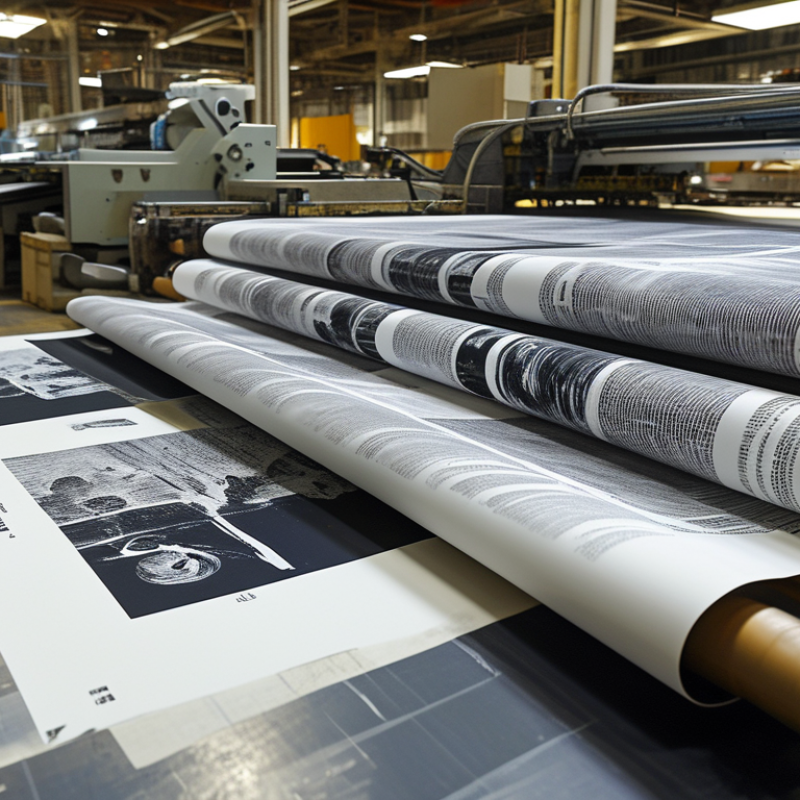
Digital printing technology has transformed the way we produce printed materials. It allows for direct printing from digital files. This process eliminates the need for traditional printing plates, significantly reducing setup times and costs. Digital printers can handle various media types, from paper to fabric. This versatility makes digital printing a popular choice across different industries.
Tips for optimizing digital printing include choosing the right resolution and file format. High-resolution images result in clearer prints. For instance, using a PDF format ensures that your designs retain their quality. Additionally, understanding color management is crucial. Digital printers have specific color profiles. Matching your designs to these profiles minimizes color discrepancies in the final print.
One aspect to reflect on is the environmental impact. While digital printing reduces waste, the materials used still matter. Eco-friendly inks and recyclable substrates can enhance sustainability. As technology evolves, we must keep exploring these options to lessen our ecological footprint. Balancing quality with responsibility is essential for the future of printing.
Digital printing has reshaped industries by significantly reducing production waste. Traditional printing methods often result in excess material usage and leftover stock. In contrast, digital printing allows for on-demand production. This means materials are only used when needed. By printing only what is necessary, companies can minimize wasted resources.
One of the key advantages of digital printing is its ability to customize each print job. This reduces the need for large print runs, which often generate excessive waste. Each item can be tailored to specific requirements, ensuring that every print is used. This precision not only conserves materials but also optimizes inventory management. It helps companies avoid overproduction, a common issue that leads to waste.
Despite these benefits, the digital printing process is not without its challenges. Ink usage can sometimes be higher than expected. This may lead to concerns about the environmental impact of certain inks or substrates. Additionally, the technology requires routine maintenance, which can cause downtime. It is essential for businesses to weigh these factors against the waste reduction benefits. Continuous evaluation and adaptation are necessary to maximize the advantages of digital printing while addressing its imperfections.
This chart illustrates the comparative waste reduction achieved through digital printing technology versus traditional printing methods, highlighting the potential for more efficient material usage:
Digital printing is a game-changer in the printing industry. Unlike traditional methods, it eliminates the need for extensive setup. Traditional printing requires large runs to justify costs. This can leave businesses with excess inventory that often ends up wasted. Digital printing allows for short runs and on-demand printing, which directly reduces waste.
The precision of digital printing also plays a crucial role. There’s less ink wasted during the process. Traditional methods might require several test runs to achieve the desired quality. This can lead to significant waste of materials. With digital printing, adjustments can be made quickly and efficiently without wasting resources.
However, the rise of digital printing is not without its challenges. Companies may struggle with the learning curve associated with new technology. Adoption can vary widely, leading to inefficiencies. Transitioning from traditional to digital requires careful planning and investment. There’s a need for businesses to reflect on their practices. Balancing immediate costs with long-term savings can be complex, but the benefits of reduced waste are undeniable.
Digital printing is transforming the way industries approach sustainability. A notable example comes from the packaging sector, where digital technologies have been shown to reduce material waste by up to 30% compared to traditional methods, according to a Smithers report. This reduction occurs because digital printing systems allow for precise printing on demand, eliminating the need for excess inventory. Consequently, companies can create only what they need, minimizing surplus materials that often end up in landfills.
In textile manufacturing, digital printing has similarly made strides. Traditional screen printing typically involves extensive setup and production runs, generating significant waste. In contrast, digital textile printers can produce small batches with minimal waste. A study published by the Digital Print for Packaging Alliance noted that brands using digital printing witnessed an up to 20% reduction in waste due to lower ink usage and fewer misprints. This not only helps the environment but also offers financial savings for manufacturers.
To truly embrace digital printing, consider optimizing designs for efficiency. Streamline files to minimize colors and complex patterns, which may require excess ink. Another useful tip is to regularly review inventory levels. Aligning designs with market demand ensures less waste and greater efficiency.
| Application | Waste Reduction (%) | Material Savings (kg) | Cost Savings ($) | Process Efficiency Improvement (%) |
|---|---|---|---|---|
| Packaging | 30% | 500 | 2000 | 25% |
| Textiles | 40% | 300 | 1500 | 30% |
| Commercial Printing | 25% | 200 | 1000 | 20% |
| Labels | 35% | 150 | 750 | 22% |
| Signage | 20% | 100 | 500 | 15% |
Digital printing has emerged as a pivotal technology in reducing production waste while supporting sustainable practices. According to a report from Smithers, traditional printing methods can generate up to 30% waste during production. In contrast, digital printing minimizes this by using only the required amount of ink and materials. This method reduces excess inventory and allows for just-in-time printing. The impact on the environment is significant, with lower emissions and reduced landfill contributions.
Implementing sustainable practices is not always straightforward. Companies face challenges in transitioning to digital printing. Many still rely on older methods, which can be less efficient in the long run. However, the benefits of digital printing cannot be overlooked. A study by the Sustainability Consortium indicates that the carbon footprint of digital printing is up to 50% lower compared to conventional methods.
When considering a switch, evaluate your current printing processes. Assess waste levels and explore digital options that fit your needs. Engaging with experts can provide insights into effective strategies for reducing waste. Stay informed about industry advancements to ensure your practices align with the latest sustainability goals.
: Digital printing technology allows printing directly from digital files. It eliminates the need for traditional printing plates.
Digital printing reduces setup times and costs. It can print on various media types like paper and fabric.
Choose the right resolution and file format. High-resolution images and using PDF helps maintain quality.
Digital printers have specific color profiles. Matching designs to these profiles reduces color discrepancies in final prints.
Digital printing can reduce waste, but materials used are important. Eco-friendly inks and recyclable substrates are effective.
Digital printing systems allow precise printing on demand. This minimizes surplus materials and reduces waste significantly.
Digital printing enables small batch production with less waste. Companies see reduced ink usage and fewer misprints.
Minimize colors and complex patterns in your designs. This reduces the amount of ink needed and lowers waste.
Regular reviews help align designs with market demand. This practice reduces waste and increases efficiency.
While it offers many advantages, balancing quality with responsibility is crucial. Continuous exploration of eco-friendly options is needed.
Digital printing represents a transformative technology that streamlines production processes and significantly enhances efficiency. One of the key advantages of this method is how does digital printing reduce production waste. By utilizing precise inkjet technology, digital printing minimizes excess material usage, allowing for on-demand production that eliminates the need for large print runs. This results in less scrap and reduced storage costs, as items can be printed as needed.
Furthermore, a comparative analysis of digital and traditional printing methods reveals that digital printing not only cuts down on materials but also supports sustainable practices through its reduced environmental footprint. Real-world applications demonstrate substantial waste reduction, exemplifying how businesses can adopt digital printing to align with eco-friendly goals. Overall, the implementation of digital printing is a significant step towards more sustainable manufacturing practices in the printing industry.

Axis Print