How to Maintain Industrial Inkjet Printers for Optimal Performance?

Time:2026-06-26 Author:Charlotte
0%

Maintaining industrial inkjet printers is crucial for their optimal performance and longevity. Proper maintenance can prevent costly breakdowns and ensure consistent print quality. Companies rely on these printers for high-volume production, making maintenance an essential part of operations. Understanding how to maintain industrial inkjet printers can significantly impact productivity and efficiency.

Regular cleaning is a vital component of the maintenance process. Ink residue can build up and affect print quality. Neglecting this task may lead to more significant issues down the line. Additionally, monitoring ink levels is necessary to avoid interruptions. A proactive approach to maintenance enhances reliability and performance.

Manufacturers provide guidelines, but practical experience is invaluable. Learning from past mistakes can help refine maintenance routines. Every printer has unique requirements, and understanding these specifics is key. Awareness of potential pitfalls ensures readiness for challenges. In the fast-paced industrial setting, effective maintenance practices foster not only longevity but also operational excellence.
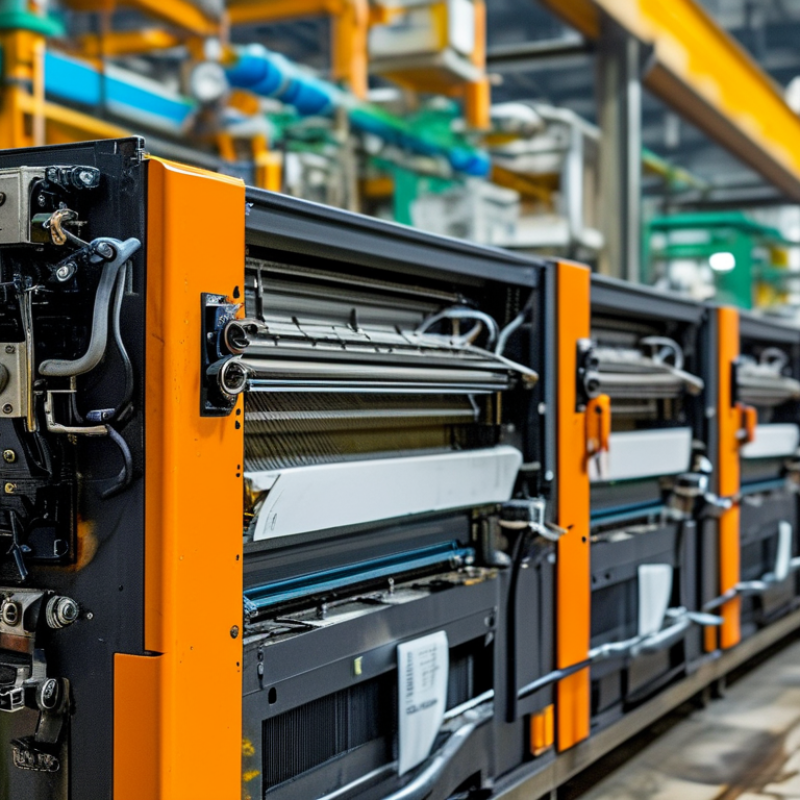
How to Maintain Industrial Inkjet Printers for Optimal Performance?

Understanding Industrial Inkjet Printer Components and Functions

Understanding the components of industrial inkjet printers is crucial for optimal performance. Inkjet technology relies on precise mechanisms including print heads, ink delivery systems, and control software. Each part contributes differently to the overall printing process. According to a 2022 report by Smithers, over 70% of printing defects stem from issues related to printer components.

Print heads are a key area for maintenance. They require regular cleaning and inspection. Clogged nozzles can lead to inconsistent print quality. A small mistake here can cause a significant drop in production efficiency. Ink delivery systems also play a vital role. Their calibration affects ink flow, which can result in variations in color density and resolution. Thermojet or piezoelectric options may perform differently under varying operational conditions.

Monitoring software performance remains equally important. Properly configured software ensures that the printer operates smoothly. Performance metrics can identify potential problems before they escalate. A 2021 study highlighted that operational downtime due to software issues can reach up to 25% of production time. Addressing these areas will not only improve print quality but also extend the life of the printer, making regular evaluation and maintenance an essential practice in the industry.

Regular Cleaning and Maintenance Schedules for Optimal Performance

Regular cleaning and maintenance are key to maintaining industrial inkjet printers. Dust, ink residue, and environmental factors can hinder performance. Setting a routine cleaning schedule is essential. Weekly inspections can help identify issues before they escalate.

During maintenance, focus on critical components like print heads and nozzles. Clogged nozzles can lead to misprints and wasted materials. Use a soft cloth and specified cleaning solution to remove buildup. Remember to check ink levels regularly. Low ink can cause printing irregularities.

Document your maintenance schedule. Inconsistent upkeep can lead to reliability issues. Addressing small problems now can prevent bigger ones later. Feedback from team members can provide insights into printer performance. Adapt your maintenance based on that feedback. Improvement is always possible.

Monitoring Ink and Solvent Levels for Consistent Output Quality

Monitoring ink and solvent levels is crucial for optimal performance in industrial inkjet printers. Keeping a keen eye on these levels ensures consistent output quality. Low levels can lead to streaks or gaps in printed materials. Regular checks help prevent these issues, saving time and materials.

Setting up a routine maintenance schedule is essential. Check ink cartridges and solvent reservoirs frequently. Use sensors or manual checks to monitor these levels. If levels drop too low, printers may face operational failures. Users often overlook this aspect, thinking everything is automatic. However, staying proactive leads to better print quality.

Documentation is another key element. Record the levels and any maintenance performed. This log can reveal patterns over time. Users can identify when to replace cartridges before problems arise. Reflecting on past performance can lead to improvements in printing processes. Emphasizing this practice can enhance overall efficiency.

Troubleshooting Common Issues in Industrial Inkjet Printers

Industrial inkjet printers are powerful tools in modern manufacturing. However, they are not immune to issues. When a printer malfunctions, it can lead to downtime and lost productivity. An industry report indicates that up to 15% of production time can be lost due to printing issues. Recognizing and addressing common problems is essential.

One frequent problem is clogged nozzles. This can occur when ink dries inside the print head. Regular maintenance, such as cleaning cycles, can prevent this issue. Another common challenge is poor print quality caused by incorrect ink viscosity. Keeping an appropriate ink temperature is critical. For optimal print quality, ensure that the viscosity remains within manufacturer-recommended levels, typically between 20-30 cP.

Additionally, electronic errors can arise from software glitches. Regular software updates and checks can reduce these errors. According to recent studies, 30% of printer problems are related to software issues. Reviewing error codes promptly can save time. A proactive approach to troubleshooting enhances performance and minimizes disruptions. Regular monitoring and maintenance ensure that printers operate efficiently, minimizing the impact on overall production.

Best Practices for Storing and Handling Inkjet Printing Supplies

Storing and handling inkjet printing supplies properly is crucial for maintaining industrial printers. A survey from the International Inkjet Printing Association found that improper storage can lead to a 20% increase in printing defects. Ink cartridges should be kept in a climate-controlled environment. Temperature and humidity play significant roles in ink performance. Ideal conditions range between 15-25°C and 40-60% humidity.

Additionally, it's essential to inspect supplies regularly. Ink can degrade over time, even in sealed packages. A study by the Society for Imaging Science revealed that ink stored past its expiration date can result in inconsistent prints. Handling supplies should be done with clean hands or gloves to prevent contamination. Dust and residue can affect print quality significantly.

When not in use, supplies should be stored upright to prevent leaks. This simple action helps maintain the integrity of the cartridge seals. Keeping a detailed inventory will also ensure that expired supplies are discarded. Attention to detail can prevent costly mistakes and enhance the overall efficiency of printing operations.

FAQS

: Why is monitoring ink and solvent levels important?

: It ensures consistent output quality and prevents streaks or gaps in printed materials.

How can I monitor ink and solvent levels effectively?

Use sensors or perform manual checks regularly to maintain optimal levels.

What happens if ink levels are too low?

Low levels can lead to operational failures and poor print quality.

What maintenance routine should I follow for my printer?

Frequently check ink cartridges and solvent reservoirs to ensure proper functioning.

Why should I document maintenance activities?

Keeping a log helps identify patterns and determine when to replace cartridges.

What common issues can arise with industrial inkjet printers?

Clogged nozzles and poor print quality are frequent problems.

How can I prevent clogged nozzles in my printer?

Implement regular cleaning cycles to keep the print head free of dried ink.

What is the recommended ink viscosity for printing?

Maintain viscosity between 20-30 cP for optimal print quality.

How often should I update printer software?

Regular updates are necessary, as 30% of issues stem from software glitches.

What should I do if I encounter an error code?

Review the error codes promptly to save time and troubleshoot effectively.

Conclusion

Maintaining industrial inkjet printers is essential for ensuring optimal performance and consistent output quality. Understanding the various components and functions of these printers lays the groundwork for effective maintenance. Regular cleaning and adherence to maintenance schedules are critical in preventing issues and maximizing efficiency. It's also vital to monitor ink and solvent levels to avoid interruptions in production.

In addition to routine upkeep, knowing how to troubleshoot common issues can save time and resources. Best practices for storing and handling inkjet printing supplies further enhance printer longevity and reliability. By following these guidelines, operators can ensure that they effectively know how to maintain industrial inkjet printers, leading to improved productivity and reduced downtime.

Charlotte

Charlotte

Charlotte is a seasoned marketing professional with a deep understanding of the company's portfolio and a passion for elevating its presence in the market. With a keen eye for detail and a commitment to excellence, she ensures that our professional blog is regularly updated with insightful articles......