Print quality is a critical consideration for businesses relying on consistent visual representation. However, many ask, "why does print quality decrease over time?" Industry expert Dr. Michael Roberts, a renowned print technology consultant, notes, "Factors such as aging equipment and ink degradation can significantly impact print output." His insight emphasizes the complexity behind this issue.
Over time, various elements contribute to diminished print quality. Ink can dry out or become less vibrant. Paper quality may also degrade, leading to smudging or fading. Old printers can malfunction due to worn-out parts, affecting alignment and resolution. The environment, such as humidity or temperature, also plays a role.
Addressing these concerns requires vigilance and regular maintenance. Businesses may overlook these factors, leading to unexpected declines in quality. By understanding the precise reasons behind decreasing print quality, companies can implement effective strategies. Regular assessments and timely updates can help ensure that print outputs remain sharp and professional.
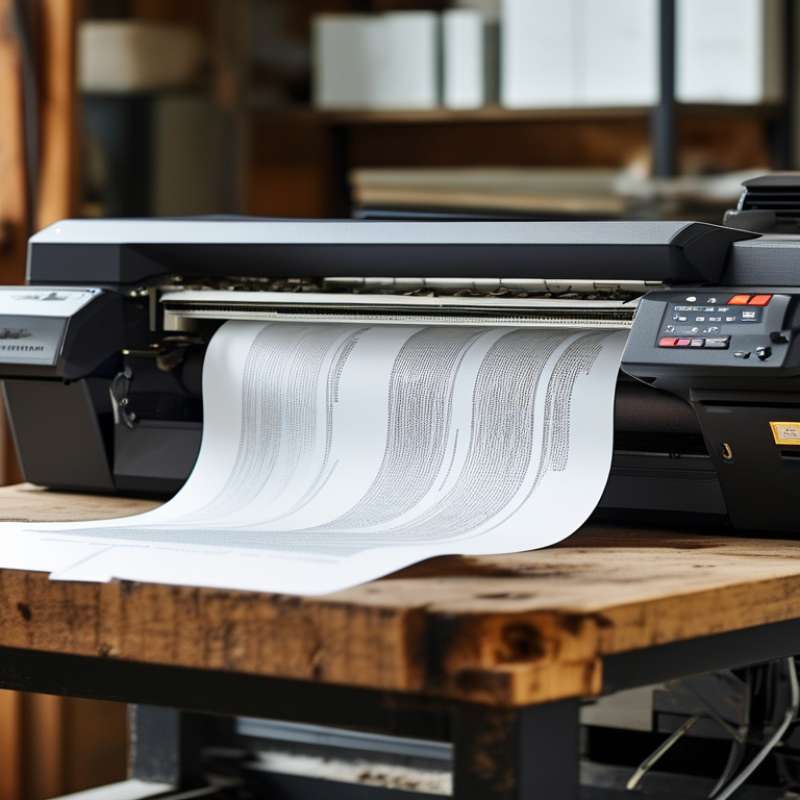
Factors Affecting Ink Composition and Quality Over Time
Print quality deterioration over time can be attributed to several key factors related to ink composition. One major issue is the evaporation of solvents in water-based inks. This process leads to a thicker ink consistency, which impairs smooth flow and causes uneven print results. Research indicates that up to 30% of solvent can evaporate within a few months if inks are improperly stored.
Another critical factor is pigment degradation. Over time, exposure to light and heat can cause pigments in the ink to fade. Inks with organic pigments are particularly vulnerable. According to industry studies, prints made with organic inks may lose significant vibrancy within two years. This poses challenges for industries reliant on high-quality visuals.
Tip: Always store inks in a cool, dark place to minimize pigment loss.
Additionally, the interaction between ink and substrate can alter the quality. Substrates can absorb moisture, which might affect adhesion. When humidity levels fluctuate, prints may smudge or blur. Consistent environmental controls are vital to maintaining quality.
Tip: Use moisture-resistant materials to prevent degradation.
Being aware of these factors can help in maintaining optimal print quality over time. Regular quality checks combined with strategic storage can prolong the life of printed materials.
Environmental Conditions Impacting Print Durability and Clarity
Environmental conditions play a crucial role in print durability and clarity. Humidity levels can significantly impact ink absorption. High moisture can lead to smudging and fading. Conversely, low humidity may cause paper to warp or crack. Each condition affects how ink interacts with paper, resulting in varied print quality over time.
Temperature fluctuations also present challenges. Extreme heat can cause inks to dry too quickly, leading to uneven application. Cold environments can extend drying times, risking smudging if touched too soon. Direct sunlight exposure can lead to color degradation. Printed materials left in harsh sunlight will fade much faster.
While many factors contribute to print quality decline, not acknowledging these environmental influences is a mistake. Proper storage conditions are often overlooked. A simple change, like using archival boxes, can help. Yet, even with the best practices, elements like dust and air pollutants cannot be entirely controlled. Regularly evaluating print conditions is essential for maintaining clarity and durability.
The Role of Paper Quality in Preserving Print Integrity
Paper quality plays a crucial role in maintaining print integrity.
High-quality paper is designed to absorb ink effectively. This absorption prevents the ink from bleeding or smudging.
When using low-quality paper, colors may appear dull or inconsistent over time. The texture and weight of the paper can influence how well the print stands up to wear.
Each type of paper interacts differently with various inks.
Environmental factors also affect print quality. Humidity can cause paper to warp, leading to misalignment in printing.
Poorly made paper can produce dust and residue that cling to ink. This residue can diminish the clarity of printed images.
The longevity of print depends on the paper's ability to resist yellowing and fading. Selecting the right paper is essential for achieving vibrant results.
Many overlook the impact of paper type. Some may choose based on cost rather than durability.
This choice can lead to disappointing outcomes. Investing in quality paper can become an afterthought until the print quality deteriorates.
Reflecting on choices helps to understand their long-term effects. Quality paper may cost more upfront,
but it preserves the essence of printed work beautifully.
Mechanical Wear and Tear of Printing Equipment Over Extended Use
Mechanical wear and tear affects print quality over time. This deterioration is often gradual and unnoticed. As printing equipment undergoes extensive use, components such as rollers and print heads can wear down. This leads to smudged prints or faded images. The subtle changes can accumulate, resulting in reduced clarity and precision.
Regular maintenance is essential to counteract these effects. However, even with diligent care, issues arise. For instance, ink cartridges may not distribute ink evenly. This inconsistency can affect color vibrancy. Additionally, dust accumulation on critical parts can lead to misalignment. It's not just about replacing worn parts; understanding the equipment allows for better performance.
Users might overlook signs of wear due to a busy schedule. Yet, ignoring these signals can escalate problems. For instance, a gradual misalignment can cause significant print defects over time. Recognizing the need for timely intervention is key. Small adjustments can save more extensive repairs later and ensure high print quality.
Chemical Reactions That Lead to Print Degradation Over Time
Print degradation is an unfortunate reality that many encounter over time. One key factor is the chemical reactions that occur in ink and paper. When exposed to light or humidity, these substances react. This leads to fading or discoloration. For example, UV radiation can break down the chemical bonds in ink. Over time, vibrant colors might become dull and unrecognizable.
Furthermore, environmental factors play a significant role. The presence of oxygen accelerates oxidation processes, which can lead to brittleness in paper and can change the ink’s hue. Acidic conditions can also contribute to print deterioration. They weaken the paper fibers, making them prone to tearing. An unexpected flaw might only be noticeable years later when the damage is irreversible.
Improper storage adds to the problem. High temperatures and fluctuating humidity can exacerbate chemical reactions. Prints stored in these conditions may become fragile, fading away before your eyes. Reflection on these details might remind us to consider how we preserve important documents and artwork. Understanding the chemistry behind print degradation can encourage better preservation strategies.
FAQS
: Print quality can decline due to solvent evaporation, pigment degradation, and substrate interactions.
Improper storage can lead to up to 30% solvent evaporation, making ink thicker and harder to flow.
Exposure to light and heat can cause pigments to fade, especially in organic inks.
Prints made with organic inks may lose significant vibrancy in as little as two years.
Store inks in a cool, dark place to minimize pigment loss and maintain quality over time.
Substrates can absorb moisture, leading to adhesion issues and potential smudging when humidity fluctuates.
Exposure to light and humidity can cause chemical reactions that lead to fading and discoloration.
Oxygen accelerates oxidation, leading to brittle paper and altered ink colors.
Yes, high temperatures and humidity can worsen chemical reactions, making prints fragile.
Regular quality checks and understanding print chemistry can inform better preservation strategies.
Conclusion
Over time, various factors contribute to the degradation of print quality, leading us to ask, "why does print quality decrease over time?" One significant factor is the composition and quality of the ink used, which may deteriorate due to exposure to environmental conditions, such as humidity and temperature fluctuations. These conditions can negatively impact the durability and clarity of printed materials, causing colors to fade and details to blur.
Additionally, the quality of the paper plays a crucial role in preserving print integrity. Low-quality paper can absorb moisture and react chemically, leading to degradation of the print. Moreover, prolonged use of printing equipment can result in mechanical wear and tear, further compromising print quality. Understanding these factors is essential for ensuring the longevity and clarity of printed documents.

 Axis Print