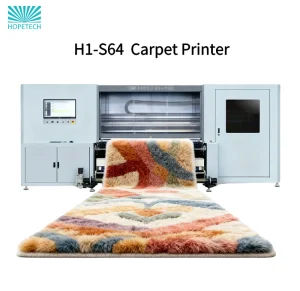
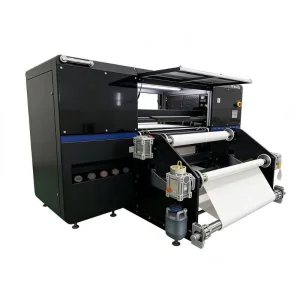
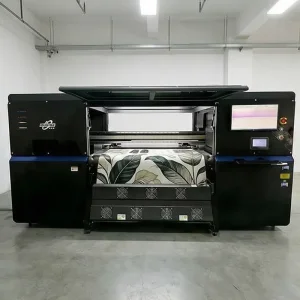
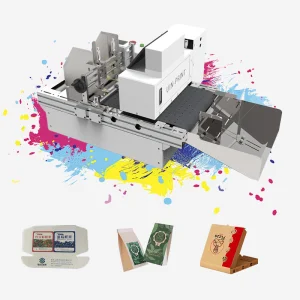
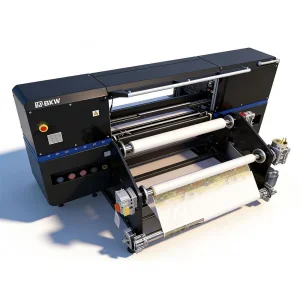
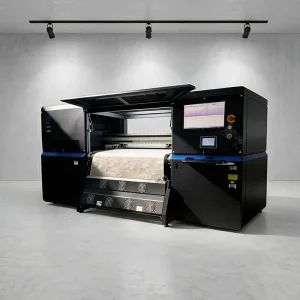
High-precision digital equipment for modern construction materials
The global construction industry is undergoing a seismic shift. No longer are builders and designers satisfied with generic, mass-produced materials. The demand for personalization, rapid prototyping, and sustainable manufacturing has pushed Digital Building Material Printers to the forefront of the industrial revolution. In 2024, the market for digital printing on building substrates—ranging from ceramic tiles and glass to wood-plastic composites (WPC) and wall panels—is projected to grow at a CAGR of over 12%.
Rapid urbanization in emerging economies is driving the need for efficient, aesthetic construction solutions that can be tailored to local architectural styles.
Digital printing significantly reduces water usage and chemical waste compared to traditional rotogravure or screen printing methods.
Modern factories are moving away from massive inventories, preferring "print-on-demand" workflows that reduce storage costs and material obsolescence.
Historically, digital inkjet was reserved for small-scale sampling. However, with the advent of Single-Pass Inkjet Technology, digital printers now rival the speed of traditional analog lines while offering infinite design flexibility. Factories in Europe and Asia are now integrating 24/7 automated digital printing cells that can switch patterns in seconds, enabling "Batch Size One" production at industrial scales.
For manufacturers focusing on interior aesthetics, our high-resolution systems provide photorealistic textures for wall panels and furniture films. This technology allows for the perfect replication of marble, rare wood grains, and artistic patterns on various substrates.
Key Advantage: Low maintenance cost and high color consistency across production batches.
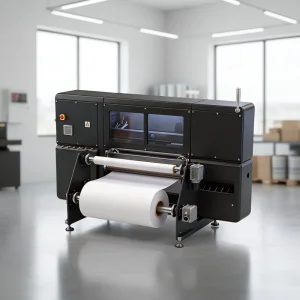
As we look toward the next decade, several key trends are defining the "Top 10" factories in the digital building material space:
Modern printers aren't just applying color; they are applying structural depth. By using high-build UV inks, printers can create synchronized textures (EIR - Embossed in Register) that mimic the feel of natural wood or stone, providing a multisensory experience for end-users.
AI algorithms are now being used to predict how ink will react with different building substrates (like cement board vs. PVC). This ensures that the first print is the final print, cutting down on calibration time and material waste.
The development of eco-solvent and water-based pigmented inks that are UV-resistant is crucial for exterior building materials. These inks ensure that the vibrant designs on building facades don't fade under harsh sunlight or environmental exposure.
The versatility of a Digital Building Material Printer allows it to serve various niche markets globally:
Guangzhou Axis Print Co., Ltd. today announced its continued expansion in the field of industrial digital printing, reinforcing its position as a forward-looking provider of integrated solutions across surface decoration and advanced inkjet technology. Headquartered in Guangzhou, the company specializes in developing high-performance systems that enable manufacturers to achieve precision, flexibility, and efficiency in modern production environments.
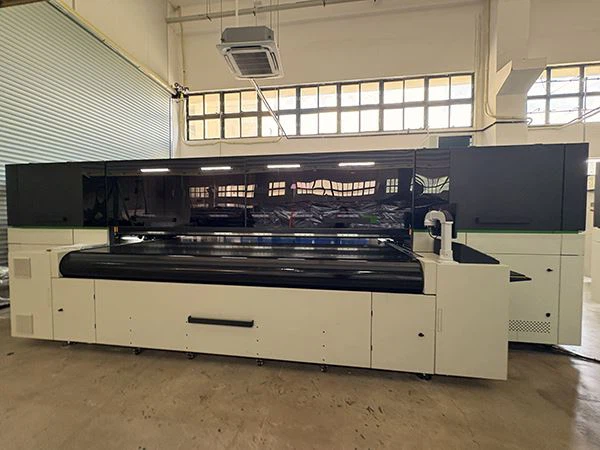
With a strong focus on industrial digital printing, surface treatment, and inkjet integration, Axis Print delivers versatile equipment tailored for industries such as textiles, ceramics, glass, and building materials. Its solutions are designed to streamline complex workflows, allowing seamless transitions from design to finished product while reducing material waste and operational costs.
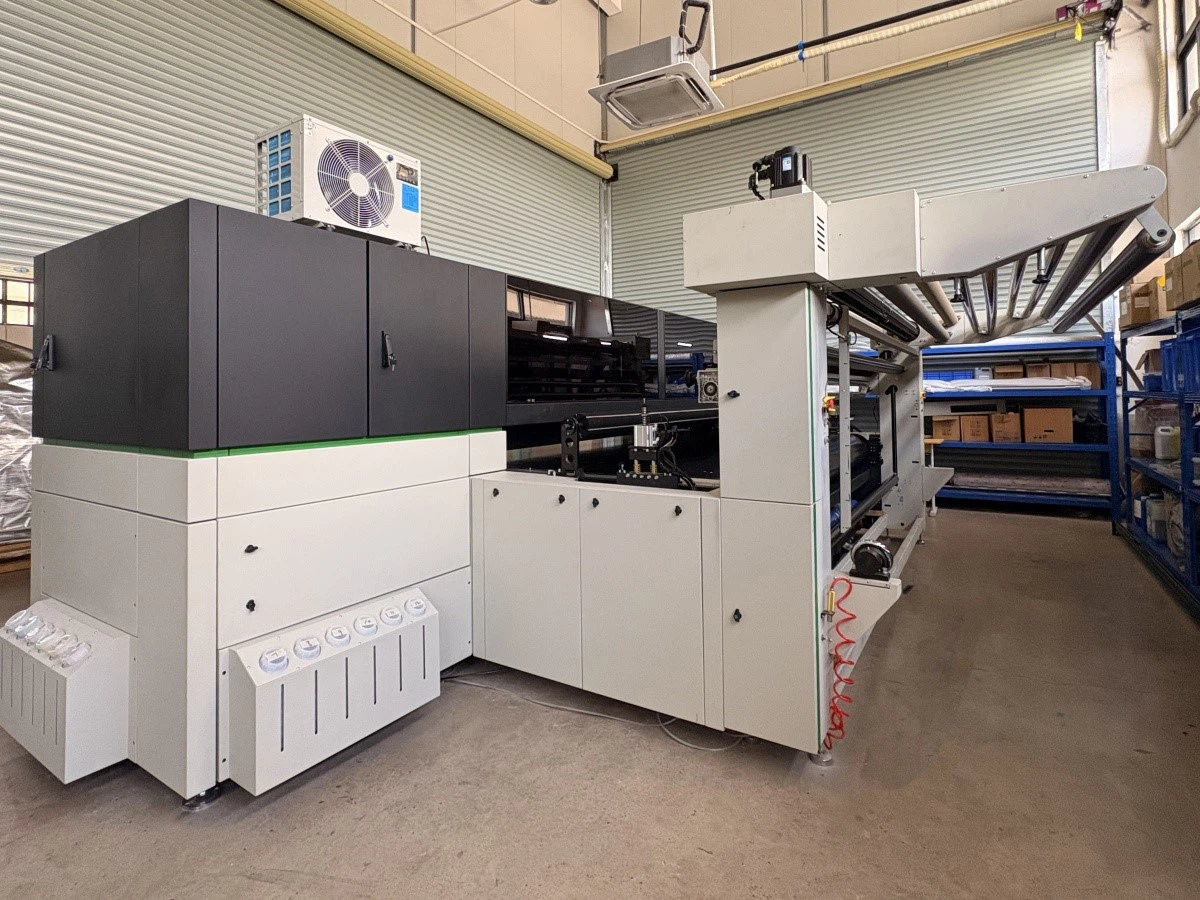
At the core of the company’s innovation is its advanced inkjet technology, which ensures high-resolution output, consistent color performance, and compatibility with a wide range of substrates. By combining intelligent control systems with automated production capabilities, Axis Print empowers manufacturers to scale operations while maintaining strict quality standards.
As a leading Chinese factory in the digital printing sector, we offer unique advantages that the "Top 10" global competitors often struggle to match:
From printhead electronics to ink chemistry and mechanical engineering, our proximity to the world's manufacturing hub allows for rapid innovation cycles.
We provide industrial-grade performance at a fraction of the cost of European brands, making digital transformation accessible for medium-sized enterprises.
Unlike rigid multinational corporations, we can customize our hardware and software to fit your specific production line requirements within weeks, not months.
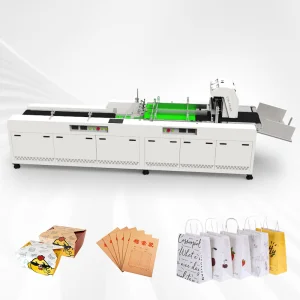
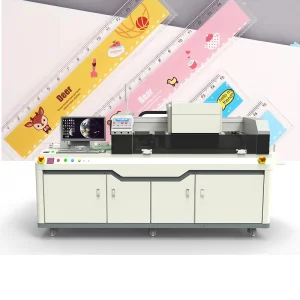
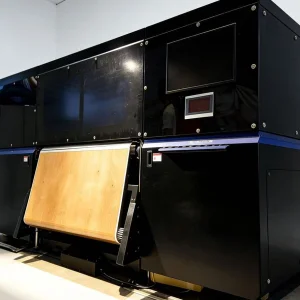
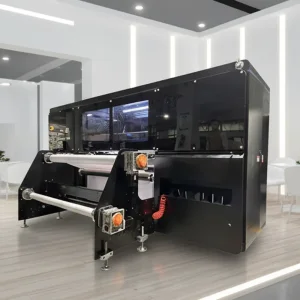
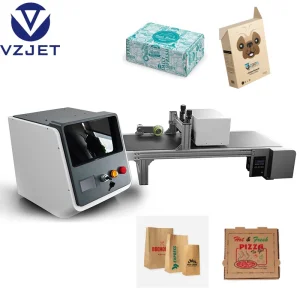
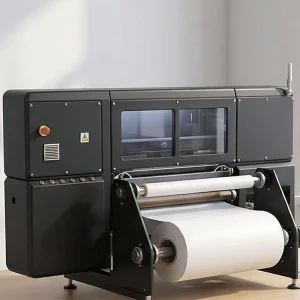
For high-volume building material production, our Single Pass Digital Inkjet systems offer unparalleled throughput. Capable of printing at speeds exceeding 50 meters per minute, these machines are perfect for integrating directly into existing laminating or extrusion lines.
SEO Tip: High-speed inkjet is the future of corrugated box and wall panel decoration.
International buyers are increasingly looking for Turnkey Solutions. They don't just want a printer; they want a partner who can provide:
• Technical training for local operators.
• Remote diagnostics and software updates via IoT.
• Eco-friendly ink certifications (like GREENGUARD Gold) for international building standards.
• Scalability to add more print heads as production volume increases.
Selecting the right Digital Building Material Printer Factory is a strategic decision that affects your production quality for the next decade. Guangzhou Axis Print Co., Ltd. remains committed to delivering reliable, efficient, and future-ready technologies that support the ongoing transformation of industrial manufacturing worldwide. Whether you are printing on wood grain paper, wall panels, or corrugated boxes, our technology is designed to grow with your business.
Versatile equipment for every industrial application
 Axis Print