Explore our top-recommended high-performance UV inkjet systems optimized for Direct-to-Metal applications in the Democratic Republic of the Congo.
The Democratic Republic of the Congo (DRC) is undergoing a major economic transformation, particularly within the Katanga copper-cobalt belt (Lubumbashi, Kolwezi) and the expanding logistics centers around Kinshasa. As industrialization advances, there is a growing demand for durable, precise marking solutions for metal extraction, transport machinery, and architectural construction.
Traditional marking methods (like solvent-based painting or structural embossing) struggle under the humid, dusty conditions of tropical Central Africa. Today's mineral export regulations require precise, high-durability digital identifiers, QR codes, and barcoding applied directly to copper cathodes, cobalt packaging steel drums, and heavy mining component casings.
Moreover, local consumer goods production, industrial structural fabrication, and corporate branding agencies in Kinshasa are transitioning to direct-to-metal UV printing. This shift allows them to bypass the costly supply chain of adhesive labels, which frequently peel off under high humidity and intense UV exposure.
Apply permanent identification and tracking numbers directly onto heavy metal panels and copper-cobalt shipping containers.
Specialized ink formulations resist acid-mist washdown, high UV indexes, and rough transport conditions along the Benguela railway line.
Understanding why standard digital printers fail on metal substrates and how our specialized UV chemistry overcomes physical boundary limitations.
Normally, low surface energy prevents raw metals (like aluminum and stainless steel) from bonding with liquid ink. Our UV curing technology uses advanced monomers that chemically crosslink directly with metal oxides. This ensures strong adhesion without requiring complex pre-treatment primers.
Our machines feature dual adjustable-intensity UV-LED curing units. This setup allows real-time tuning based on the metal substrate's thermal conductivity. It prevents heat-induced warping on thin aluminum sheets while ensuring deep, complete curing on thick steel surfaces.
Equipped with high-precision Epson and industrial printheads, our printers use variable drop size technology (VSDT). This ensures sharp text and smooth transitions, maintaining print quality even when writing onto uneven, slightly curved, or brushed metal finishes.
Developing tailored printing frameworks to meet the diverse operational demands of the Central African industrial sector.
In regions like Kolwezi, trace-level labeling of raw metal outputs is crucial. Our heavy-duty flatbed UV digital printers can write high-density, machine-readable barcodes directly onto copper ingots and mineral transport cases. These prints are highly resistant to abrasion, petroleum contamination, and harsh weather conditions.
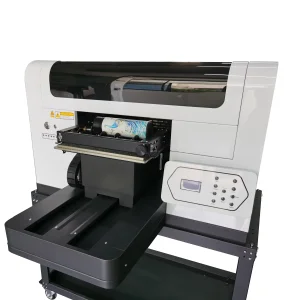
For local fabricators in Kinshasa producing metal doors, siding, panels, and advertising displays, our flatbed UV printers offer a direct way to apply high-resolution color designs onto aluminum composite panels (ACP), sheet steel, and iron framework.
Guangzhou Axis Print Co., Ltd. today announced its continued expansion in the field of industrial digital printing, reinforcing its position as a forward-looking provider of integrated solutions across surface decoration and advanced inkjet technology. Headquartered in Guangzhou, the company specializes in developing high-performance systems that enable manufacturers to achieve precision, flexibility, and efficiency in modern production environments.
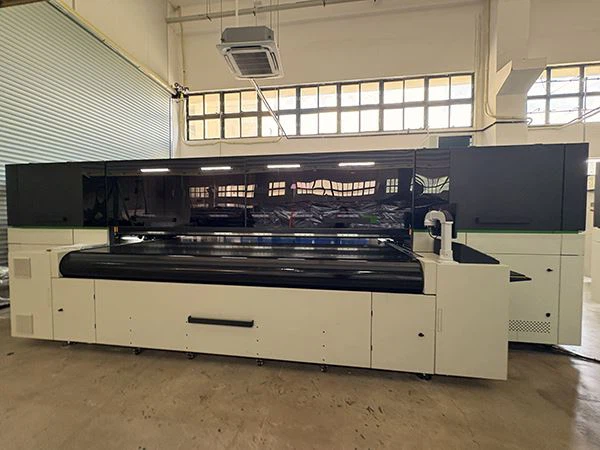
With a strong focus on industrial digital printing, surface treatment, and inkjet integration, Axis Print delivers versatile equipment tailored for industries such as textiles, ceramics, glass, and building materials. Its solutions are designed to streamline complex workflows, allowing seamless transitions from design to finished product while reducing material waste and operational costs.
At the core of the company’s innovation is its advanced inkjet technology, which ensures high-resolution output, consistent color performance, and compatibility with a wide range of substrates. By combining intelligent control systems with automated production capabilities, Axis Print empowers manufacturers to scale operations while maintaining strict quality standards.
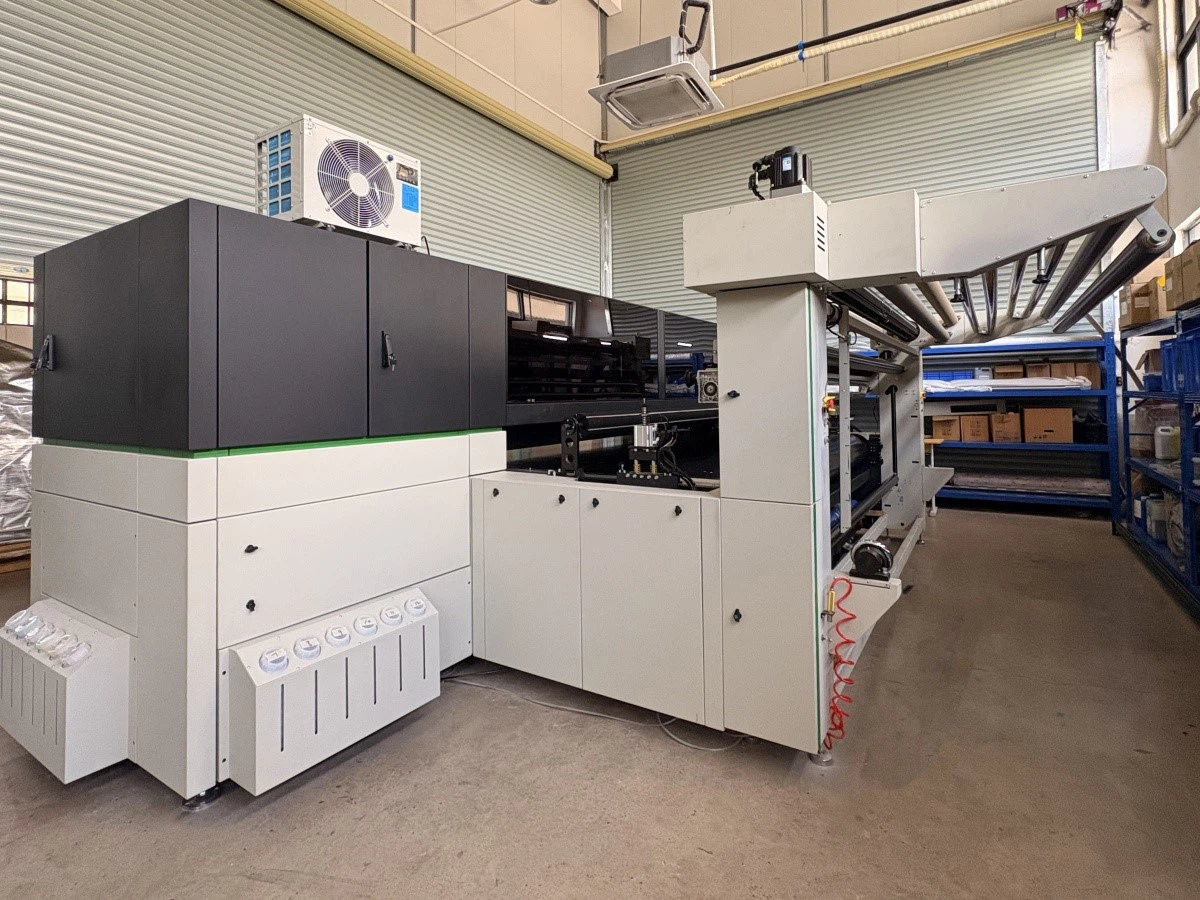
In response to growing global demand for customized and sustainable production, Guangzhou Axis Print Co., Ltd. continues to invest in research and development, enhancing its portfolio of digital printing and surface processing solutions. The company remains committed to delivering reliable, efficient, and future-ready technologies that support the ongoing transformation of industrial manufacturing worldwide.
We ensure smooth shipping, customs clearance, and long-term technical support to protect your machinery investment in the DRC.
We prepare all shipping documentation in line with the regulations of the Office Congolais de Contrôle (OCC). This includes complete pre-shipment inspections and conformity certificates, preventing delays at the port of Matadi or the East African transit corridors (Mombasa/Dar es Salaam).
Power supplies in industrial areas can sometimes be unstable. All machines bound for the DRC can be configured with industrial voltage stabilizers and uninterrupted backup systems. This shields sensitive control electronics and printheads from sudden power drops or surges.
We provide online diagnostics, step-by-step setup guides, and quick video consultations. This ensures your operators in Kinshasa, Lubumbashi, or Goma can easily handle routine maintenance, print calibration, and basic parts replacement.
A complete line of UV digital printers, multi-surface flatbeds, and high-performance inkjet systems built for heavy-duty commercial operations.

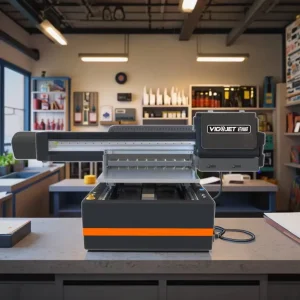
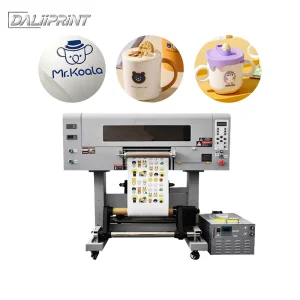
When purchasing industrial printing machinery for deployment in the Democratic Republic of the Congo, evaluating the initial purchase price is only the first step. Smart procurement teams focus on the Total Cost of Ownership (TCO) over a 5-year lifecycle. Key metrics include ink consumption per square meter, printhead lifespan, and local power requirements.
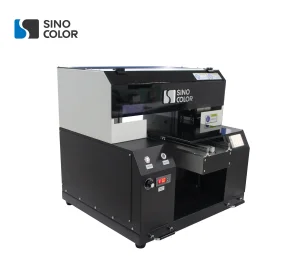
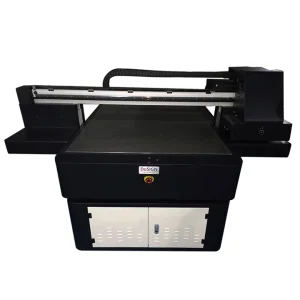
Select the right equipment bed size (e.g., A3 desktop for small metal plates versus 6090 or larger flatbeds for structural panels) to match your planned output volume and shop floor space.
Set up voltage regulators and dust-filtering enclosures. Keeping the workspace free of metal dust and grit helps protect printheads from damage and extends their working life.
Coordinate your ink, cleaning solvents, and spare parts supply lines. We bundle essential wear-and-tear parts and a starting ink inventory with your machinery shipment to keep initial operations running smoothly.
Traditional metal decorating processes rely on multi-stage screen printing or adhesive laminations. These methods require significant labor, create waste, and tend to fail under high-humidity conditions. Upgrading to direct digital UV inkjet technology delivers immediate workflow improvements:
Export Recommendation:
For operations in the DRC, we recommend starting with our dual Epson printhead systems. They offer a great balance of output speed, print resolution, and ease of maintenance.
Answers to common technical questions about importing, operating, and maintaining industrial metal printers in Central Africa.
Yes. Reflected UV light can potentially cure ink on the nozzle plate and cause blockages. To prevent this, our systems use adjustable UV shielding along with targeted printhead pathing, allowing you to print reliably on reflective metals like polished aluminum, stainless steel, and brass.
High humidity can cause slight moisture condensation on cold metal substrates, which can impact ink adhesion. We recommend running the printer in a temperature-controlled workspace or using a mild pre-heating system (which can be built directly into the printer carriage) to keep the metal surface dry before printing.
With daily automated cleaning and proper filtration of industrial dust, original Epson printheads typically last between 1 to 2 years under regular single-shift operation. We provide detailed training videos to help your team handle daily maintenance checks and cleanings.
We ship standard consumables (inks, filters, capping stations) via air freight (DHL/FedEx), which usually arrives within 5 to 10 business days. For heavier components, we can coordinate with your chosen ocean freight forwarder through the ports of Matadi, Mombasa, or Dar es Salaam.
Get in touch with our team of engineers today. We can help you customize a system configuration, request test prints on your metal samples, and receive a complete export quote for the DR Congo.
Contact Our Engineering Team Now Axis Print