Explore our elite industrial solutions engineered for rapid-response textile factories in Brás, Bom Retiro, and Americana.
The state of São Paulo is the historical heart of Brazil's textile and apparel manufacturing, hosting critical clusters in Americana, Santa Bárbara d'Oeste, and the bustling garment districts of Bom Retiro and Brás. As domestic fashion demands accelerate, regional producers are shifting rapidly from traditional screen methods to Industrial Reactive Dye Digital Printing.
Traditional printing processes are heavily limited by high water footprints and strict regional environmental frameworks enforced by CETESB (São Paulo's Environmental Agency). Our advanced reactive dye printers respond to this bottleneck, enabling manufacturers to print directly onto natural fibers (such as Brazilian cotton, linen, silk, and viscose) with zero wastewater discharge during the printing process itself.
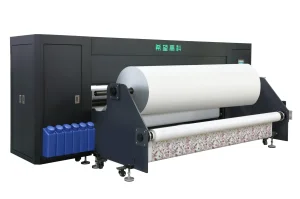
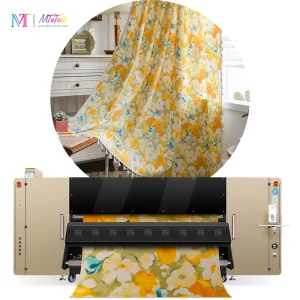
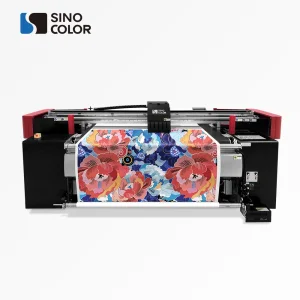
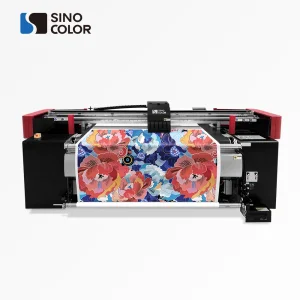
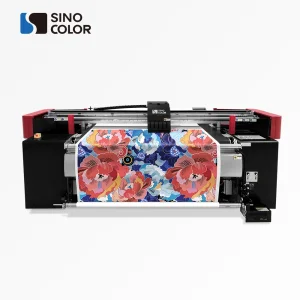
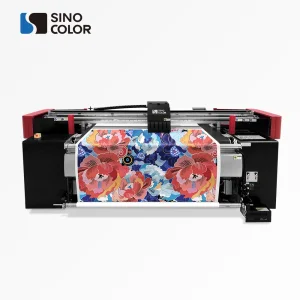
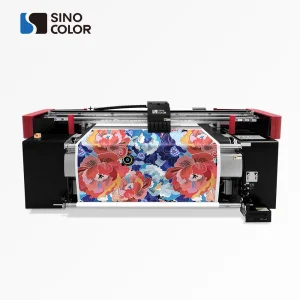
By leveraging high-performance conveyor-belt feeding mechanisms, local manufacturers can easily print on knitwear and stretch fabrics without warp or weft distortion, creating a fast-turnaround cycle crucial for Latin America’s most active fashion market.
Direct supply paths from international technology centers allow exporters in São Paulo to maintain low operational costs and implement high-efficiency workflows that reduce delivery lead times from weeks to hours.
Our reactive digital ink setups align perfectly with global ESG guidelines, ZDHC (Zero Discharge of Hazardous Chemicals) requirements, and OEKO-TEX standardizations, allowing Brazilian exporters to target high-end EU and US markets.
Understanding the chemical binding process and structural technology of industrial textile systems.
Unlike pigment inks that sit on top of the fiber using binder resins, reactive dyes form a covalent bond with the hydroxyl groups of cellulosic fibers (like cotton and viscose). This yields an exceptional wash fastness (Grade 4.5+) and zero sensory texture (soft hand-feel).
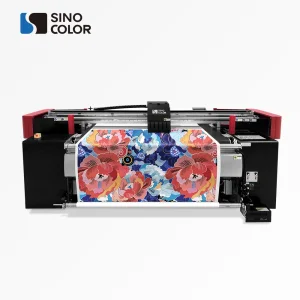
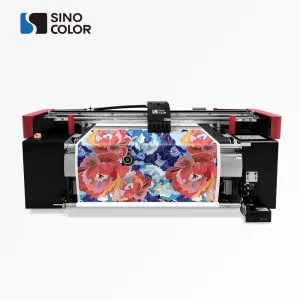
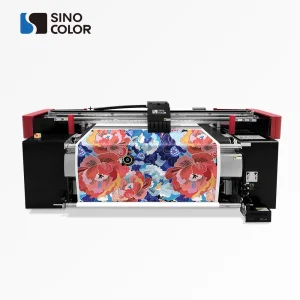
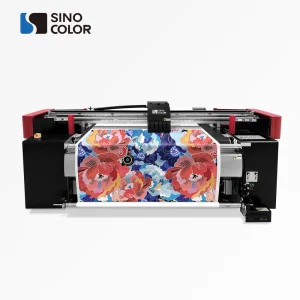
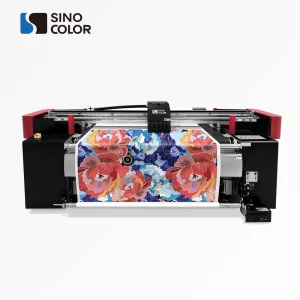
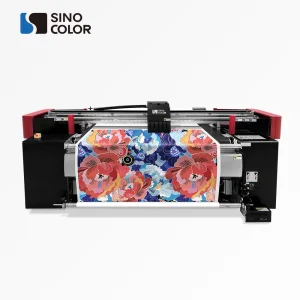
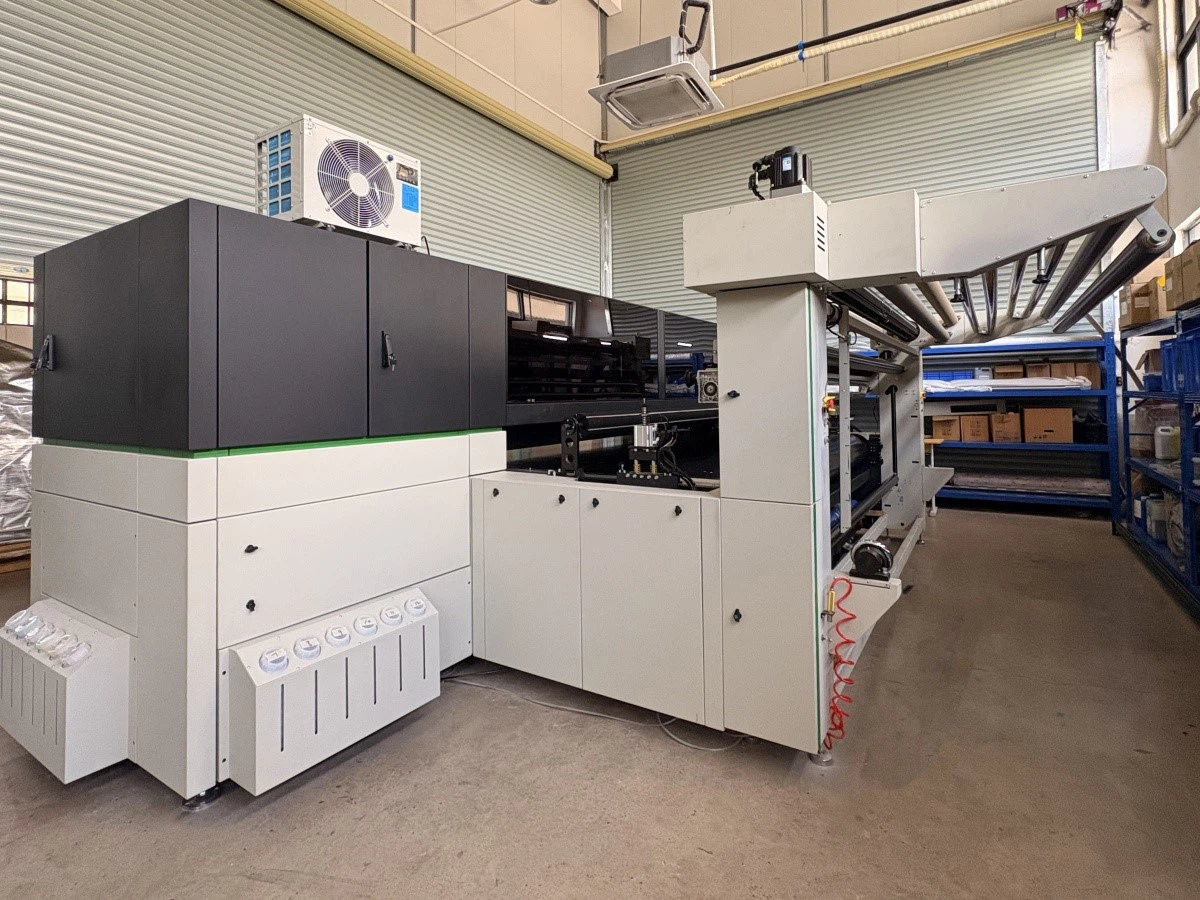
Handling light, elastic fabrics requires a dedicated sticky belt system (thermoplastic glue). Our conveyor-belt system keeps fabrics completely flat during high-speed printing, preventing head strikes and alignment errors common in pinch-roller machines.
Utilizing high-frequency piezo engines like the Epson i3200, our systems ensure drop sizes as small as 2.5pl. Combined with integrated degassing systems, they deliver flawless ink flow and color calibration across continuous 24-hour shifts.
Advanced engineering configurations built for multi-shift continuous operations.
Global integration specialists linking advanced Chinese manufacturing precision with Brazil's supply chains.
Guangzhou Axis Print Co., Ltd. today announced its continued expansion in the field of industrial digital printing, reinforcing its position as a forward-looking provider of integrated solutions across surface decoration and advanced inkjet technology. Headquartered in Guangzhou, the company specializes in developing high-performance systems that enable manufacturers to achieve precision, flexibility, and efficiency in modern production environments.
With a strong focus on industrial digital printing, surface treatment, and inkjet integration, Axis Print delivers versatile equipment tailored for industries such as textiles, ceramics, glass, and building materials. Its solutions are designed to streamline complex workflows, allowing seamless transitions from design to finished product while reducing material waste and operational costs.
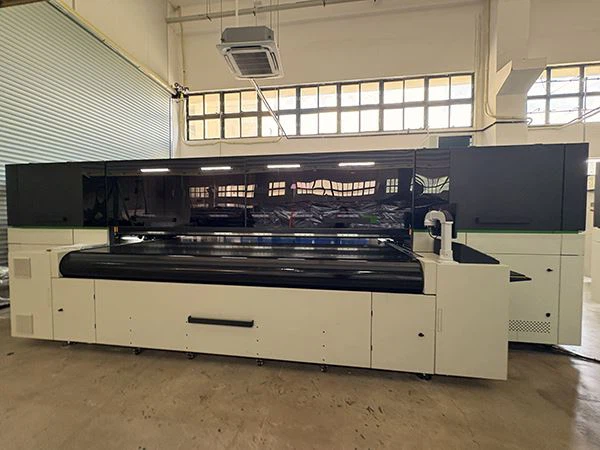
At the core of the company’s innovation is its advanced inkjet technology, which ensures high-resolution output, consistent color performance, and compatibility with a wide range of substrates. By combining intelligent control systems with automated production capabilities, Axis Print empowers manufacturers to scale operations while maintaining strict quality standards.
In response to growing global demand for customized and sustainable production, Guangzhou Axis Print Co., Ltd. continues to invest in research and development, enhancing its portfolio of digital printing and surface processing solutions. The company remains committed to delivering reliable, efficient, and future-ready technologies that support the ongoing transformation of industrial manufacturing worldwide.
From pre-treatment sizing to dynamic finishing: how to structure a professional digital textile facility.
Because reactive dye ink has low viscosity, natural fibers must be pre-padded with sizing chemicals (sodium alginate, urea, and soda ash). This step stabilizes the fabric structure, prevents capillary spreading of ink droplets, and prepares the fiber for dye fixation.
Using Axis Print's synchronized belt control, the pre-treated fabric is fed into the print engine. An automatic washing-brush mechanism on the belt line continuously cleans any residual adhesive or dust particles, maintaining high accuracy.
Post-printing, the fabric must enter a steaming chamber (usually at 102°C - 105°C for 8-12 minutes). The moisture and heat swell the cotton/viscose fibers, allowing the reactive dye to chemically link with the cellulose polymers.
Unfixed dyes are washed away using hot water and soaping agents, leaving behind vibrant colors that boast excellent light and washing resistance. This completes the industrial workflow, delivering market-ready fabrics.
Crucial insights for purchasing agents and engineers evaluating reactive digital printer acquisitions.
Reactive dye digital printing creates chemical covalent bonds directly with natural fibers (cotton, viscose, silk). This produces outstanding color depth, vibrant prints, and a soft fabric feel. Pigment printing, by contrast, sits on top of the fiber using binder resins, which can result in a stiffer feel and reduced wash durability over time.
The conveyor belt requires regular cleaning of the automatic adhesive applicator and checking the belt wash unit's brush and scraper. Keeping the belt clean prevents ink accumulation and fabric shifting, ensuring crisp alignment. We recommend inspecting the thermoplastic glue adhesive layer weekly to confirm flat fabric adhesion.
Yes. Reactive dyes must be fixed using a saturated steam chamber (typically at 102°C - 105°C), followed by a washing step to remove excess unfixed dye. While this workflow is more involved than sublimation, it is essential for achieving the high-quality results required by commercial fashion markets.
Our printers feature active degassing units and continuous circulation systems. These systems prevent air bubble buildup and ink sedimentation, significantly reducing nozzle clogging. Additionally, integrated printhead protection sensors pause the carriage if they detect fabric folds, preventing potential head damage.
Our shipping team provides complete technical files, customs tariff declarations, and compliance certifications (CE, ISO, SGS) to streamline imports through Port of Santos. We work with experienced logistics brokers to ensure your machinery arrives smoothly and cost-effectively.
Heavy-duty hardware engineered for high-performance direct-to-fabric printing, now exporting globally.
Contact our expert application engineers to custom-configure your reactive dye printing system, optimize your post-treatment workflow, or request a localized shipping quote for São Paulo.
Send Inquiry Now Axis Print