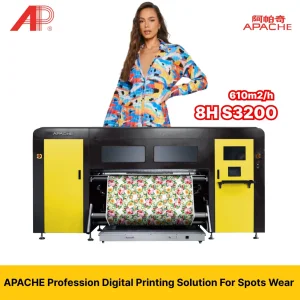
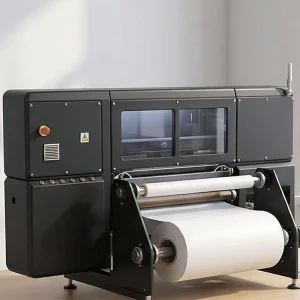
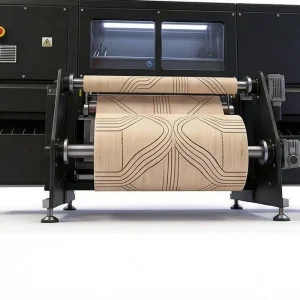
Industrial textile sublimation and heat transfer printers calibrated for the demanding factory conditions of Maseru, Maputsoe, and the broader SACU trade zone.
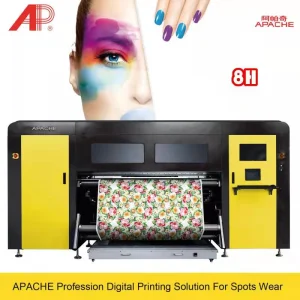
The manufacturing sector of Lesotho, traditionally dominated by apparel production in urban hubs like Maseru and Maputsoe, is undergoing a profound structural evolution. Driven by regional infrastructure expansion and trade integration via the Southern African Customs Union (SACU), local developers and furniture fabricators are shifting toward vertically integrated, high-value component production. The demand for realistic, high-fidelity wood grain finishes on non-timber substrates—such as fiberboard (MDF), PVC ceiling panels, metal sheets, and engineered plastics—has skyrocketed.
Transitioning from traditional laminates to digital wood grain inkjet printers represents a critical technological pivot. By printing high-resolution natural patterns directly onto substrates or onto heat-transfer films, manufacturers eliminate design limitations and significantly cut the capital expenditures associated with storing vast inventories of pre-laminated boards. Guangzhou Axis Print Co., Ltd. delivers engineered systems tailored to manage the microclimatic and electrical challenges specific to Southern Africa, including high-altitude air pressure and voltage volatility.
Request Technical Whitepaper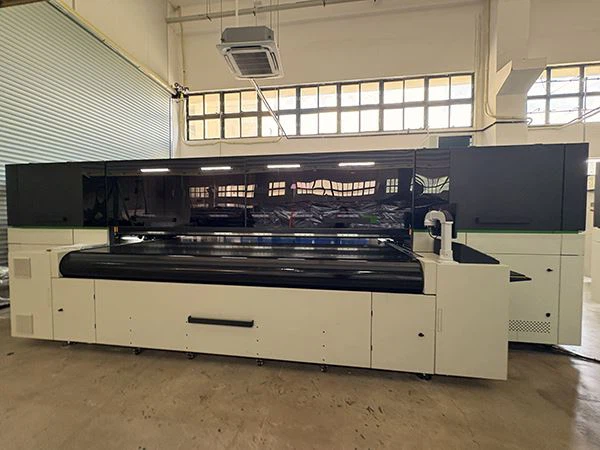
How our technology overrides infrastructural barriers to maintain uninterrupted production schedules.
Maseru is situated approximately 1,600 meters above sea level. This high altitude impacts atmospheric pressure, changing ink surface tension and drying dynamics. Our systems feature active meniscus pressure control to stabilize droplets and prevent printhead nozzle dropouts.
Recognizing the load-shedding and voltage fluctuations in the Southern African power grid, our industrial printers integrate built-in voltage regulation and isolation transformers. This protects delicate components like the main boards and printhead drive cards.
To comply with Lesotho's environmental regulations and green export initiatives, our printers support advanced eco-solvent and water-based dye inks. They maximize color saturation and pattern transfer rates while lowering volatile organic compound (VOC) emissions.
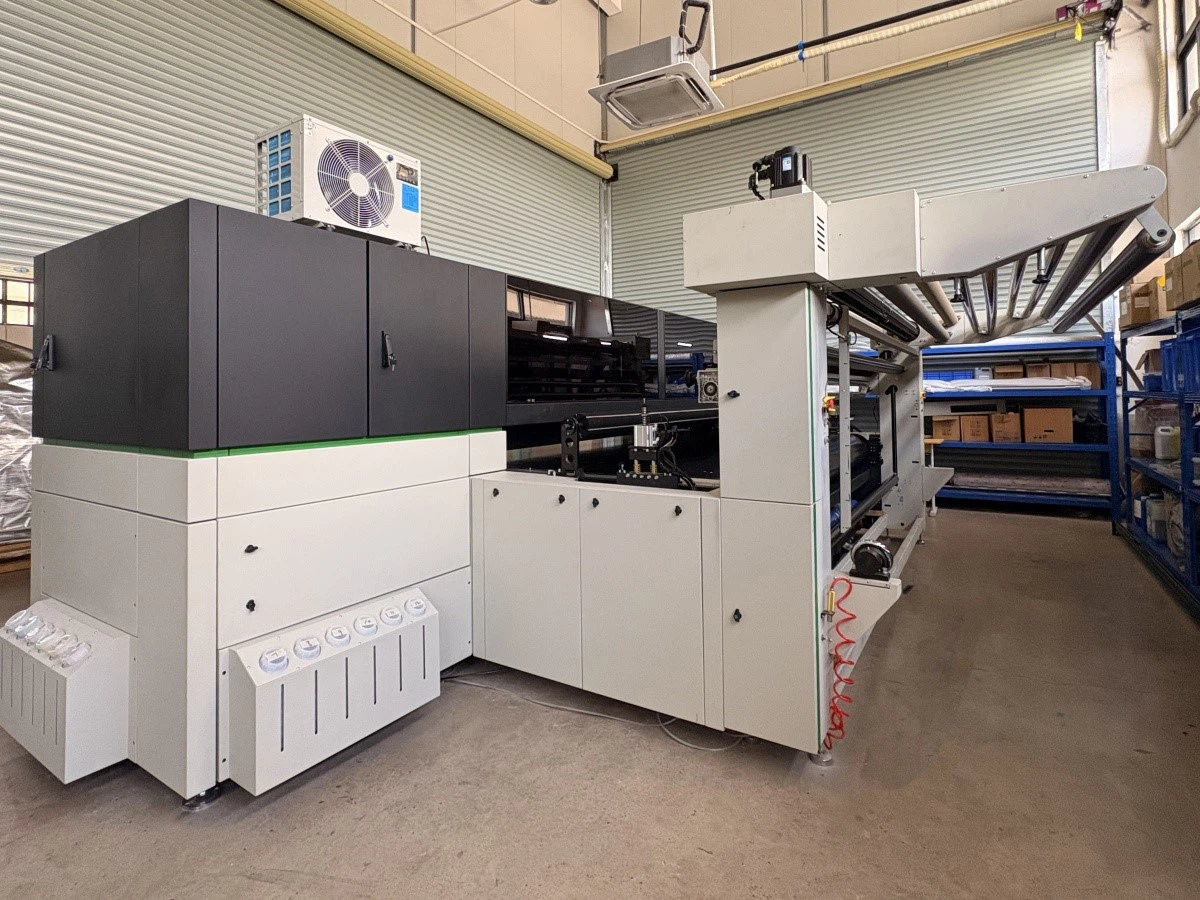
True value in industrial print systems lies in managing ink adhesion across varying substrates. Our wood grain paper digital printers use UV-curable and dye-sublimation ink setups to create rich wood details, from light maple to dark walnut, directly on various surfaces:
Our partnership with Guangzhou Axis Print Co., Ltd. ensures that every system integrates seamlessly with standard RIP software platforms like Photoprint or NeoStampa. This lets your production team calibrate ICC profiles for local substrate supplies without needing external help.
Discuss Custom Material CompatibilityEmerging technologies designed to lower overhead costs while expanding production capacity.
Real-time pattern adjustment automatically updates color settings to account for shifts in substrate shade, keeping wood grain colors consistent across production batches.
New energy-efficient UV LED arrays reduce energy consumption by up to 40% compared to traditional mercury systems, a major asset for factories managing high energy costs.
Active physical anti-crash bars and automatic cleaning cycles prevent dust build-up from wood fibers, keeping printheads working longer and reducing downtime.
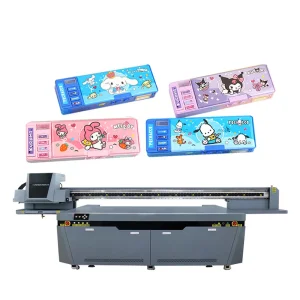
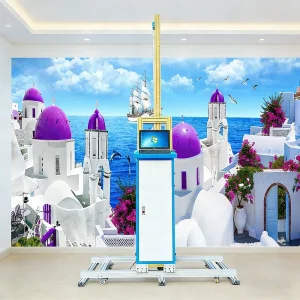
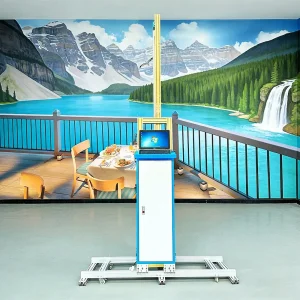
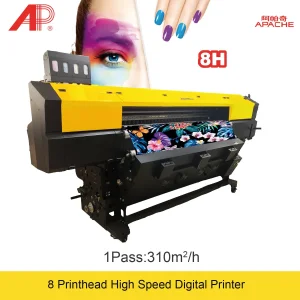
A comprehensive line-up of industrial flatbeds, wall printers, and wide-format sublimation setups, with full international shipping and customs support for Lesotho.
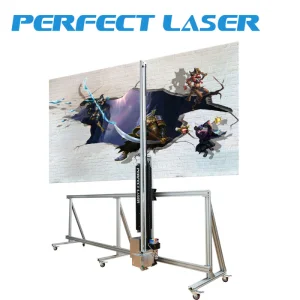
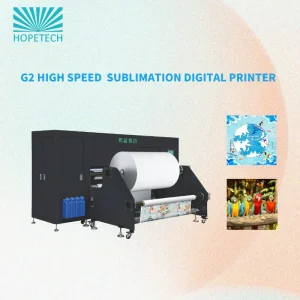
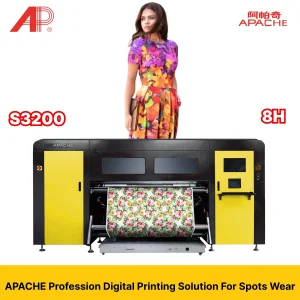

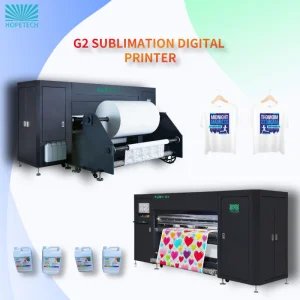
Ensuring transparent transit processes and minimal import complications for industrial buyers.
Shipping heavy industrial machinery like digital printers into Lesotho (a landlocked country entirely surrounded by South Africa) requires an experienced logistics partner. The typical logistics pathway originates at the Port of Durban, followed by rail or road freight transit via key border control posts, including Maseru Bridge, Maputsoe (Ficksburg Bridge), and Caledonspoort.
Because Lesotho is a member of the Southern African Customs Union (SACU), imports from outside the union require careful coordination to avoid double taxation or customs delays. Our logistics division handles all necessary transit paperwork, including the SAD500 customs declaration, and manages South African VAT exemption protocols for goods destined directly for Lesotho.
Additionally, we work closely with local clearing agents to ensure that machinery qualifies for regional investment incentives, such as the LNDC (Lesotho National Development Corporation) manufacturing rebates. This helps our partners minimize import costs and get their production lines up and running quickly.
Clear, direct answers to common questions about logistics, operations, and technical support in Lesotho.
Connect with our technical application engineers to analyze substrate compatibility, calculate ink usage costs, and request custom wood grain print samples.
Send Inquiry Now Axis Print