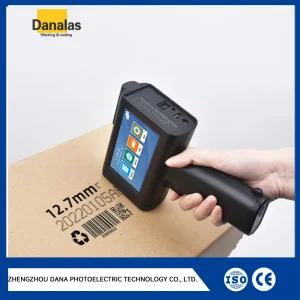
Explore our industrial-grade direct-to-object and inline inkjet printing systems engineered for precision packaging, textiles, and building materials.
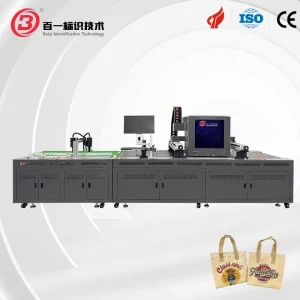
In the rapidly evolving landscape of advanced industrial manufacturing, the demand for customizable, high-speed, and ecologically sustainable printing technologies has reached an unprecedented peak. Traditional print methods are increasingly giving way to dynamic digital direct-to-object (DTO) systems. Guangzhou Axis Print Co., Ltd. is positioned at the vanguard of this paradigm shift, driving efficiency and innovation across global manufacturing supply chains.
Guangzhou Axis Print Co., Ltd. today announced its continued expansion in the field of industrial digital printing, reinforcing its position as a forward-looking provider of integrated solutions across surface decoration and advanced inkjet technology. Headquartered in Guangzhou, the company specializes in developing high-performance systems that enable manufacturers to achieve precision, flexibility, and efficiency in modern production environments.
Our operational architecture is engineered to bypass traditional mechanical complexities, utilizing high-precision piezoelectric printheads and intelligent automated media handling mechanisms. This ensures that multi-substrate printing—spanning organic textiles, ceramics, silicates, plastics, and dense wood alloys—is executed with micro-level precision. Through years of dedicated engineering and vertical integration, Axis Print guarantees process stability, high ink adhesion chemistry, and robust machinery profiles designed for continuous 24/7 manufacturing environments.
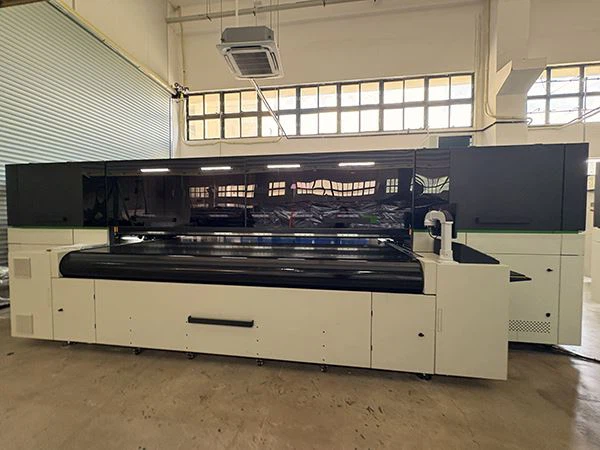
By shifting the production focus from batch-oriented analog tooling to dynamic, software-defined digital jetting systems, we allow companies to operate in zero-inventory configurations, printing exactly what is needed, when it is needed. Our research labs continue to innovate in printhead waveform tuning, heavy-duty structural gantry designs, and proprietary ink curing technologies, providing our global clients with a reliable platform for sustained industrial growth.
How modern OEMs, packaging converters, and industrial factories are structuring their capital expenditure (CAPEX) models around direct-to-object digital technology.
Global logistics bottlenecks, localized supply-chain strategies, and the rise of personalized consumer goods have fundamentally changed standard procurement protocols. Procurement officers are no longer just looking at the initial capital cost of machinery; they evaluate the total cost of ownership (TCO), cost-per-print (CPP), and carbon tax offsets. Direct-to-object printers mitigate the traditional operational expenses associated with screens, plates, chemical cleanup, and extensive storage requirements.
Furthermore, ESG (Environmental, Social, and Governance) compliance mandates in regions like Western Europe and North America demand that production facilities actively reduce volatile organic compound (VOC) emissions, energy usage, and clean-water consumption. Our closed-loop pigment and UV-LED inkjet printing setups consume up to 80% less energy than conventional heat-tunnel drying systems and generate minimal waste, making them highly attractive to forward-thinking industrial procurers.
Custom-engineered industrial solutions designed to address specific material properties and high-throughput production challenges.
With a strong focus on industrial digital printing, surface treatment, and inkjet integration, Axis Print delivers versatile equipment tailored for industries such as textiles, ceramics, glass, and building materials. Its solutions are designed to streamline complex workflows, allowing seamless transitions from design to finished product while reducing material waste and operational costs.
We approach industrial decoration through customized vertical solution blueprints:
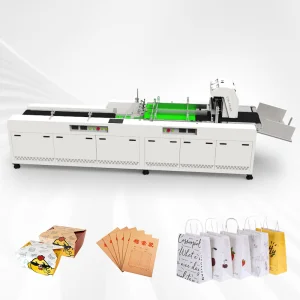
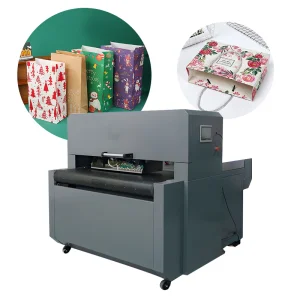
Our Single-Pass digital inkjet corrugated printers eliminate the need for costly flexographic plates. By executing high-speed, direct-to-cardboard printing, packaging manufacturers can accommodate fast-changing seasonal graphics and short-run e-commerce boxes. Combined with fast-drying pigment inks, the print quality remains sharp and water-resistant even during rough freight shipping conditions.
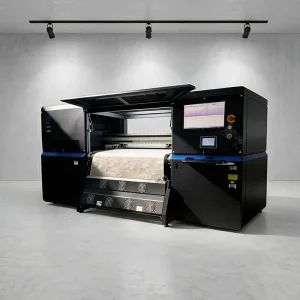
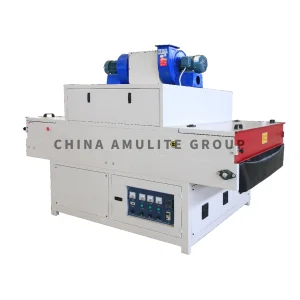
Direct printing on wall panels, decorative papers, and calcium silicate boards requires deep knowledge of chemistry and mechanical design. Axis Print’s specialized UV spray coating and multi-pass printing equipment apply stone-effect or wood-grain designs directly onto raw substrates. The inline UV-LED curing units instantly harden the inks, securing long-term durability and resistance to scratching, fading, and chemical wear.
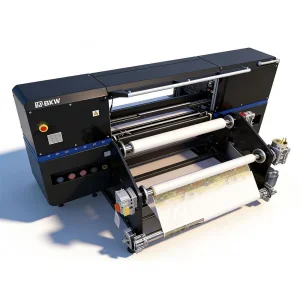
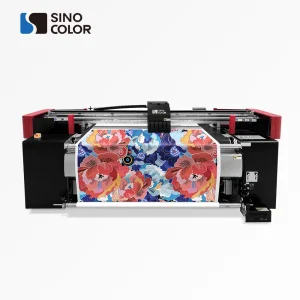
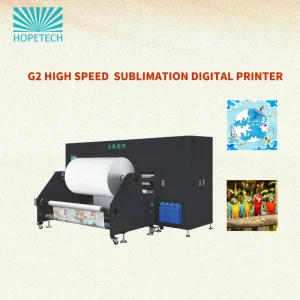
For fashion apparel, flags, and upholstery, our wide-format dye sublimation and direct-to-fabric belt printers enable smooth transitions of complex colors. Using variable droplet sizes and stable web handling tension controls, they deliver clean registration and deep ink penetration into the polyester or natural fibers without color banding.
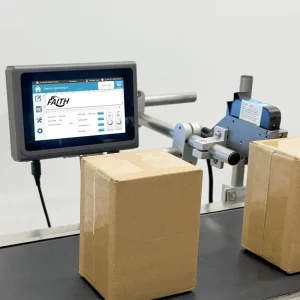
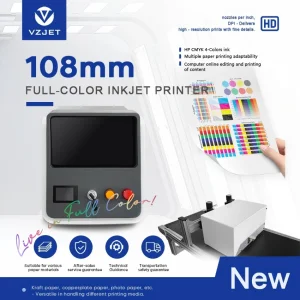
High-volume food packaging and bottling lines require reliable printing systems that can operate at speeds exceeding 100 meters per minute. Axis Print provides inline inkjet coding systems integrated with AI-driven vision check systems. These systems detect and flag incorrect barcodes, expiration dates, or smudges, preventing costly product recalls before shipment.
Exploring the core printhead technologies, mechanical frame constructions, and ink delivery systems that define our hardware.
At the core of the company’s innovation is its advanced inkjet technology, which ensures high-resolution output, consistent color performance, and compatibility with a wide range of substrates. By combining intelligent control systems with automated production capabilities, Axis Print empowers manufacturers to scale operations while maintaining strict quality standards.
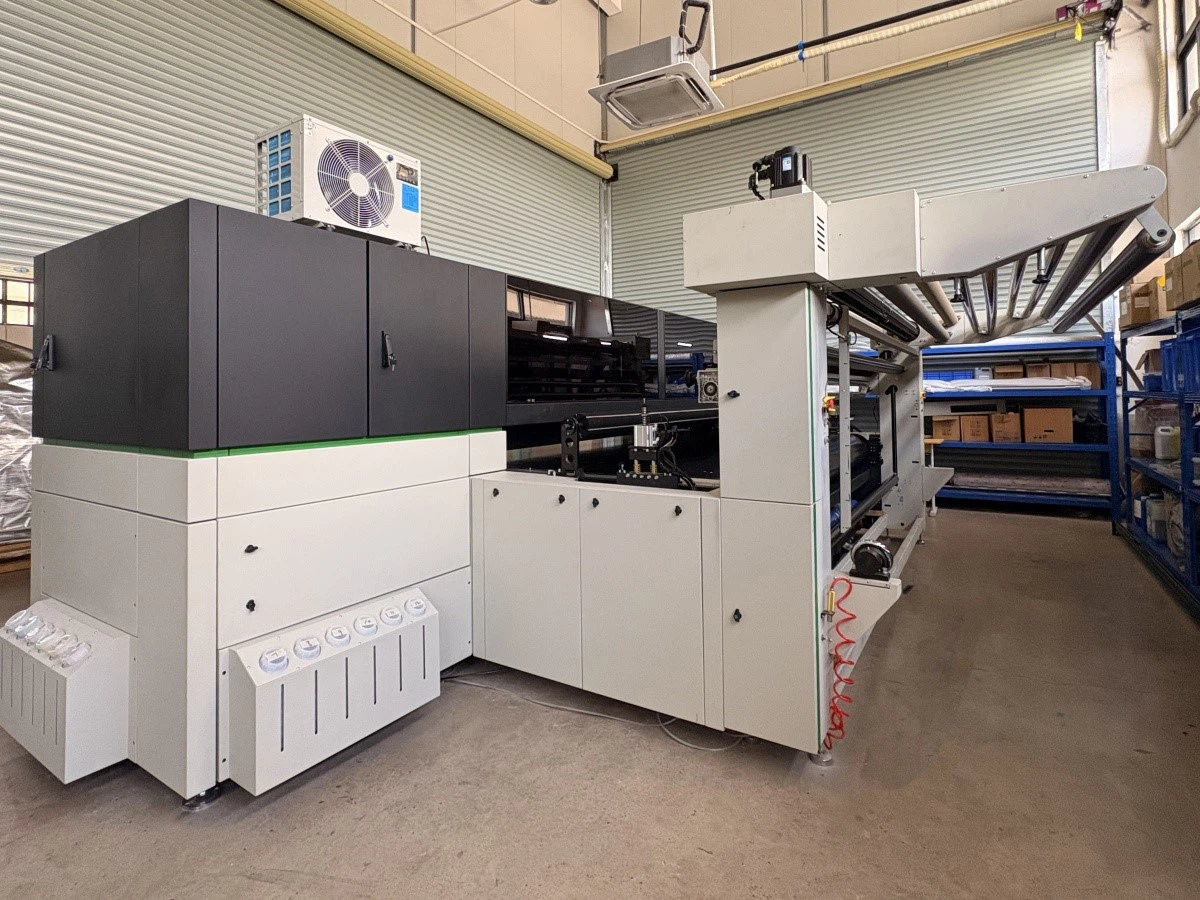
A major challenge in direct-to-object inkjet printing is controlling ink drop placement across varying substrate heights. Our printhead gantries are equipped with auto-focusing laser sensors that measure surface topology down to 10 micrometers. This feedback is analyzed by our controller card, which adjusts printhead voltage waveforms in real time. This keeps ink droplets perfectly spherical and minimizes stray mist, even when printing on curved or textured surfaces.
Different materials require different ink properties to achieve reliable adhesion. Our chemists formulate specific ink sets tailored for varied production environments:
| Ink Category | Primary Target Substrates | Key Operational Performance Traits |
|---|---|---|
| Flexible UV Formulation | PET Films, Banners, Leather | Elongation up to 200% without cracking, instant UV-LED pinning. |
| Hard UV Cure Ink | Glass, Ceramics, Calcium Silicate | Excellent scratch resistance (up to 5H pencil hardness), moisture-proof. |
| Water-Based Pigment | Corrugated Kraft Paper, Cotton Fabrics | Deep absorption, zero odor, eco-friendly, compliant with food safety regulations. |
A look at Axis Print's expanding global market presence and localized factory support networks.
Industrial digital printing is no longer restricted to prototype workshops. Large-scale manufacturing plants in Europe, South America, North America, and Southeast Asia are increasingly standardizing their lines on high-speed single-pass digital architectures. Axis Print has established regional distributors, localized technical training hubs, and spare-parts warehouses across these major territories to minimize downtime and ensure seamless integration.
By connecting our machines to remote diagnostic platforms, our engineers in Guangzhou can analyze system telemetry in real time. We monitor printhead temperature profiles, vacuum ink levels, and gantry acceleration curves, resolving potential performance issues before they affect production. This preventative service model keeps our clients' lines running with maximum uptime.
In response to growing global demand for customized and sustainable production, Guangzhou Axis Print Co., Ltd. continues to invest in research and development, enhancing its portfolio of digital printing and surface processing solutions. The company remains committed to delivering reliable, efficient, and future-ready technologies that support the ongoing transformation of industrial manufacturing worldwide.
Ensuring compliance with international industrial standards to guarantee safe, reliable, and consistent operations.
Operating in global markets requires strict compliance with diverse regional safety and electrical standards. Every digital printer designed by Axis Print undergoes extensive testing to meet CE, RoHS, and UL certification requirements. This ensures that the machines run safely and reliably within high-output industrial environments.
Our commitment to quality extends directly to on-site implementation. When a machine is delivered, our localized engineering teams manage the entire installation and calibration process. We align the mechanical gantry, adjust ink pressure levels, and run test batches on the customer's specific substrates to verify adhesion and color accuracy. Additionally, we provide comprehensive training programs for on-site operators, covering routine maintenance, software calibration, and troubleshooting to keep operations running smoothly.
Expert answers to common engineering, ink chemistry, and performance-related inquiries.
Single-pass digital printers feature stationary printheads mounted across the entire print width. The substrate moves continuously beneath them, enabling extremely high production speeds suitable for packaging and high-volume lines. Multi-pass printers use a moving gantry that sweeps the printhead carriage back and forth across the substrate as it advances. While slower, multi-pass systems offer higher ink densities and resolutions, making them ideal for complex, textured surfaces like wood panels or thick glass sheets.
Durable ink adhesion on non-porous materials depends on proper surface energy management. We integrate flame pre-treatment, pyrosil systems, or chemical primers to raise the substrate surface energy above 38 dynes/cm. Additionally, our UV inks are formulated with advanced adhesion promoters that cross-link directly with the substrate under specific UV-LED light wavelengths, preventing peeling, scratching, or water damage.
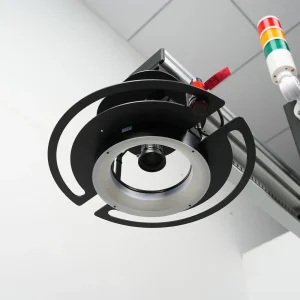
The Docod XV01 is an inline optical scanning system that uses a high-speed camera to inspect prints in real time. It analyzes code legibility, date markings, and print alignment within 35 milliseconds. If it detects a defect, it instantly triggers an alarm and logs the error, allowing operators to address issues immediately and prevent waste from reaching final shipping.
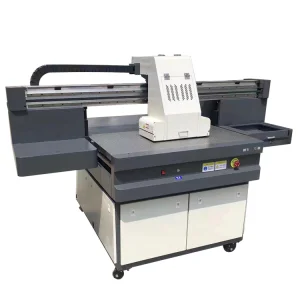
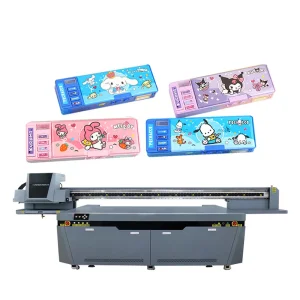
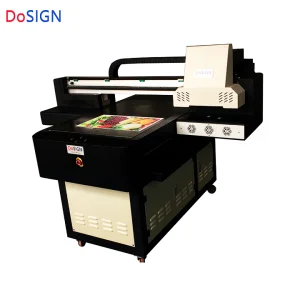
Yes, our UV flatbed and industrial printers feature automated height adjustment sensors. The printhead carriage detects the substrate thickness and maintains a consistent printhead-to-material distance of 1.5mm to 2mm. This ensures uniform ink drop placement and prevents head collisions, even on textured materials like wood panels or thick corrugated boards.
Discover our range of industrial printers, coating equipment, and automated inline inspection systems designed for reliable manufacturing operations.
 Axis Print