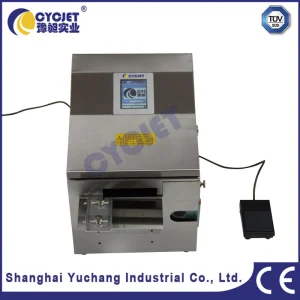
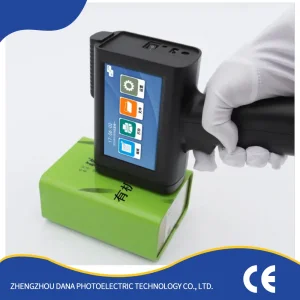
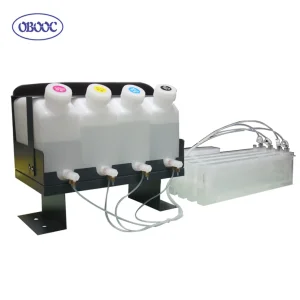
Explore high-performance digital print machinery engineered for high-throughput commercial point-of-sale, dye sublimation, direct-to-film, and rigid surface decoration.
In today’s interconnected omnichannel commerce environment, Point of Sale (POS) printers and industrial print machinery have evolved far beyond mere thermal receipt generators. They now represent critical operational nodes in smart retail, hospitality, industrial identification, and custom surface manufacturing.
The global point of sale printer market is undergoing a seismic architectural transition. Modern commercial enterprises demand seamless integration between offline point-of-sale transactions and real-time backend inventory synchronization. China has emerged as the global epicenter for POS printer research, design, and mass production, offering unprecedented cost efficiencies, deep supply chain integration, and rapid OEM/ODM design cycles.
From micro-size handheld Thermal Inkjet (TIJ) devices to industrial-grade Direct-to-Film (DTF) textile printers and high-speed UV flatbed systems, Chinese manufacturers are setting international benchmarks for print resolution (up to 2400 DPI), operational durability, and protocol compatibility (ESC/POS, Android SDKs, Linux, and Cloud-API connectivity).
Understanding the core competitive moats that make China suppliers the premier choice for global distributors, system integrators, and enterprise buyers.
Concentrated manufacturing ecosystems in Guangdong (Guangzhou, Shenzhen) allow instant sourcing of optical sensors, precision thermal printheads, steppers, and durable aluminum frames, drastically reducing production lead times.
Chinese manufacturers offer extensive customization—from custom firmware, SDK development (Android, iOS, Windows, Linux), board-level circuit designs, to customized chassis logos and bespoke packaging solutions.
Leading factories operate under strict ISO9001 quality frameworks, producing products with full CE, FCC, RoHS, and CCC certifications to ensure seamless importation and regulatory compliance globally.
By combining modular mechanical architectures with automated assembly lines, Chinese suppliers deliver enterprise-grade performance at a fraction of Western capital expenditure costs.
The integration of Artificial Intelligence, IoT diagnostics, and eco-friendly curing technologies is redefining the commercial printing landscape.
Modern point-of-sale and industrial printing equipment now features embedded sensors linked to AI algorithms. These monitor printhead temperature, fluid viscosity, and auto-detect ink exhaustion—preventing costly downtime during peak receipt or manufacturing operations.
With the rise of SaaS POS systems, printers are no longer tied to local POS terminals. WiFi, Bluetooth 5.0, Ethernet, and Direct Cloud-Print protocols allow instant receipt, kitchen order, or barcode generation directly from cloud servers.
Transitioning towards sustainable production, Chinese manufacturers lead in low-energy LED-UV curing systems and zero-VOC inks, supporting direct printing onto flexible packaging, acrylic, metal, ceramic, and wood panels.
From retail checkout counters to heavy industrial surface decoration, discover how diverse printing technologies solve specialized commercial challenges.
| Application Sector | Primary Hardware Technology | Key Operational Requirements | Target Substrates / Outputs |
|---|---|---|---|
| Retail & Hospitality POS | Desktop Thermal POS / Handheld TIJ Printers | High speed (250mm/s), auto-cutter, ESC/POS command set, SDK compatibility | Receipt paper, thermal tags, adhesive kitchen tickets |
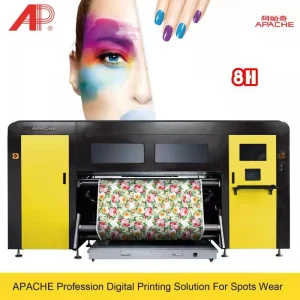
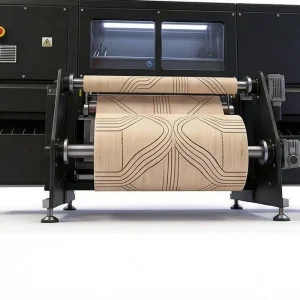
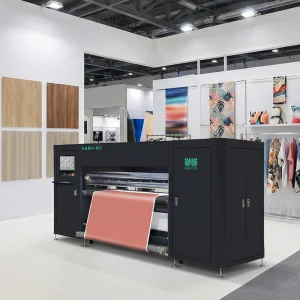
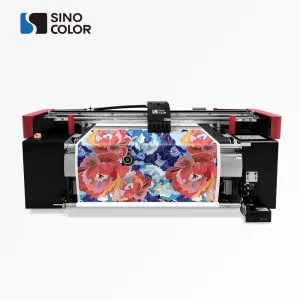
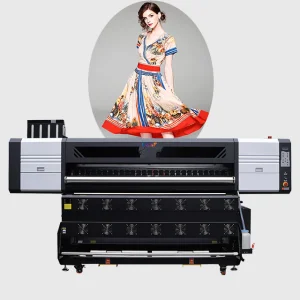
| Textile & Apparel POS/Production | Direct-to-Film (DTF) / Sublimation Printers | Color accuracy, white ink circulation systems, multi-head I3200 arrays | Cotton T-shirts, sportswear, polyester banners, transfer paper |
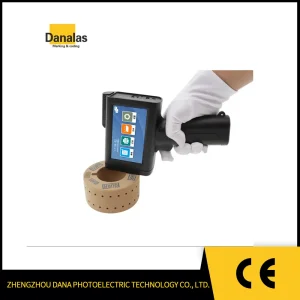
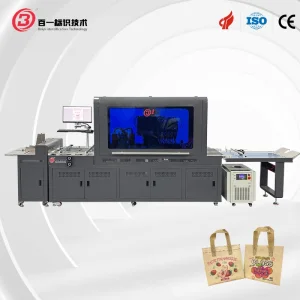
| Logistics & Industrial Packaging | High-Res Inkjet Systems / Portable TIJ | Date/time batch coding, real-time 1D/2D QR code generation, continuous ink feed | Plastic sheets, corrugated boxes, flexible packaging films |
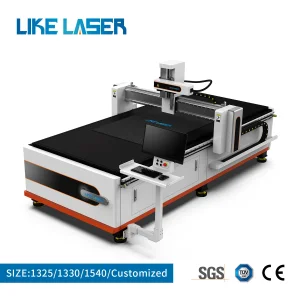
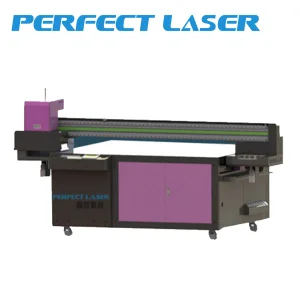
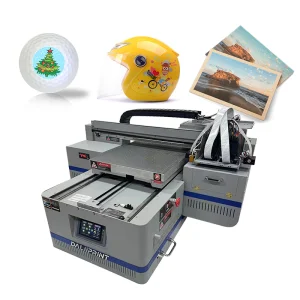
| Architectural & Hard Surface | Industrial UV Flatbed & Panel Printers | Heavy-duty vacuum beds, scratch-resistant UV inks, 3D texture capability | Wood panels, ceramics, metals, glass, decorative wallboards |
Pioneering advancements in digital inkjet integration, surface processing, and industrial printing machinery.
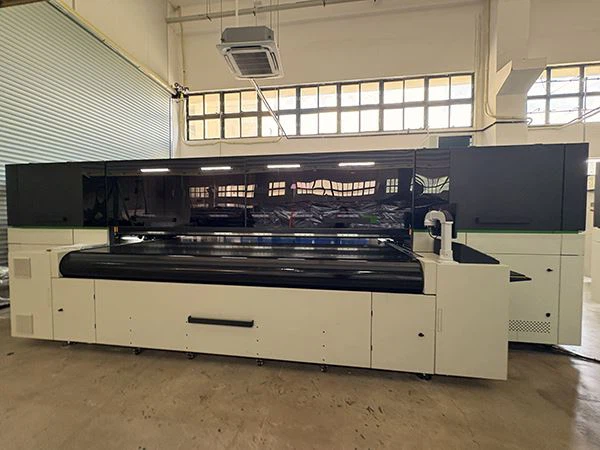
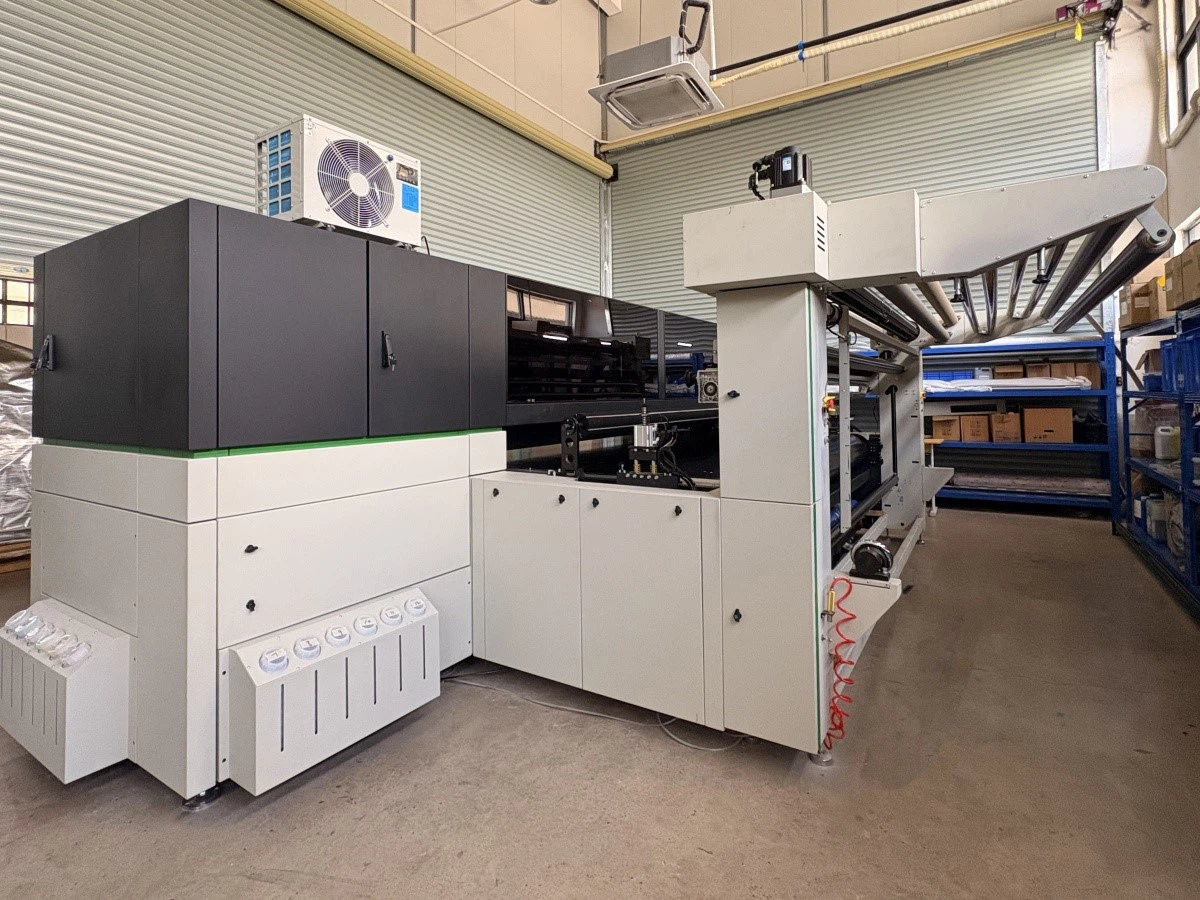
Guangzhou Axis Print Co., Ltd. today announced its continued expansion in the field of industrial digital printing, reinforcing its position as a forward-looking provider of integrated solutions across surface decoration and advanced inkjet technology. Headquartered in Guangzhou, the company specializes in developing high-performance systems that enable manufacturers to achieve precision, flexibility, and efficiency in modern production environments.
With a strong focus on industrial digital printing, surface treatment, and inkjet integration, Axis Print delivers versatile equipment tailored for industries such as textiles, ceramics, glass, and building materials. Its solutions are designed to streamline complex workflows, allowing seamless transitions from design to finished product while reducing material waste and operational costs.
At the core of the company’s innovation is its advanced inkjet technology, which ensures high-resolution output, consistent color performance, and compatibility with a wide range of substrates. By combining intelligent control systems with automated production capabilities, Axis Print empowers manufacturers to scale operations while maintaining strict quality standards.
In response to growing global demand for customized and sustainable production, Guangzhou Axis Print Co., Ltd. continues to invest in research and development, enhancing its portfolio of digital printing and surface processing solutions. The company remains committed to delivering reliable, efficient, and future-ready technologies that support the ongoing transformation of industrial manufacturing worldwide.
A systematic 4-step evaluation checklist for international importers, OEMs, and wholesalers sourcing point-of-sale printers and industrial print engines from China.
Audit printhead origin (Epson, Ricoh, Kyocera, Seiko), motor precision, frame rigidity, and thermal cutter lifespan ratings (minimum 1.5 million cuts).
Test driver compatibility across Windows, Linux, Android, iOS, OPOS, and JavaPOS. Verify ESC/POS command compliance and SDK documentation clarity.
Review CE, FCC, RoHS, and ISO9001 factory audits. Request burn-in test logs and high-humidity/temperature stability test reports.
Ensure guaranteed access to spare parts (mainboards, power supplies, printheads), 24/7 remote engineering support, and warranty replacement terms.
Discover specialized equipment including industrial DTF systems, portable TIJ handheld printers, flexible packaging UV systems, and continuous ink supply components.
Expert answers to standard procurement queries regarding China POS printers, industrial inkjet technologies, software drivers, and customs delivery.
When importing Point of Sale (POS) or industrial printing equipment, ensure the supplier provides genuine CE (EMC & LVD), FCC, and RoHS certificates. For specific markets like Japan or Korea, PSE or KC certifications may be required. Quality-focused manufacturers such as Guangzhou Axis Print Co., Ltd. also adhere to ISO9001 management standards to guarantee consistent lot-to-lot production quality.
Leading Chinese POS manufacturers supply robust Software Development Kits (SDKs) compatible with Android, iOS, Windows, and Linux operating systems. They support standard command sets such as ESC/POS, TSPL, and ZPL, and offer firmware-level modifications for custom font sets, multi-language character encoding, and cloud server API integration.
Commercial thermal POS printheads generally deliver an operational rating of 100 km to 150 km of printed receipt length. For industrial UV flatbed or DTF textile printers using Epson I3200, Ricoh Gen5/Gen6, or Kyocera heads, the lifespan ranges from 12 to 36 months depending on daily duty cycles, ink filtration maintenance, and proper automated capping station usage.
Yes. Most POS receipt printers built in China use industry-standard ESC/POS communication protocols. Devices configured with Bluetooth 4.0/5.0, WiFi, or USB interface can connect seamlessly with popular cloud POS software solutions like Loyverse, Poster POS, and custom Web-POS applications.
Direct thermal printing uses heat-sensitive paper without ink or ribbon—ideal for short-life receipts. Thermal transfer and UV inkjet technologies use ribbons or liquid inks cured by UV light, producing durable prints resistant to heat, light, water, and abrasion on substrates such as plastics, metals, glass, and wood.
Reputable suppliers offer 12 to 24-month warranties covering mainboards, power modules, and mechanical sub-assemblies. Spare parts can be dispatched via express air freight (DHL/FedEx). Tech support is provided via remote diagnostics, video troubleshooting, and dedicated engineer support desks.
 Axis Print