Deploying robust hardware systems featuring active cooling, dual printhead dynamics, and automated variable output controls engineered for extreme climatic conditions in Windhoek and Walvis Bay.
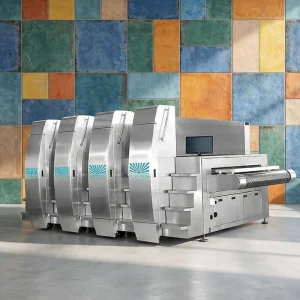
Built with integrated thermal regulation to stabilize viscosity levels in harsh dry climates.
View Details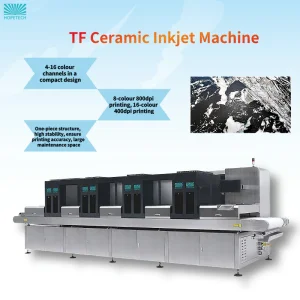
Engineered for high-volume commercial production, offering unmatched dot placement accuracy.
View Details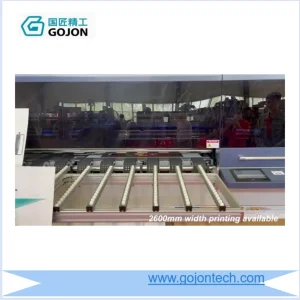
Enables localized variable data encoding for labeling, compliance tracking, and secure document workflows.
View Details
Dual Epson i3200 layout configured to deliver continuous textile embellishments with smart powder controls.
View DetailsNamibia's manufacturing and packaging industries are going through a big shift. Companies in Windhoek, Walvis Bay, and Swakopmund are moving away from traditional printing systems and adopting digital pigment inkjet technology. This shift is motivated by the Southern African Development Community (SADC) regional development plan, which supports domestic manufacturing to reduce reliance on import supply chains.
Traditional gravure and screen-printing methods present challenges for local businesses due to high plate setup costs, excessive water usage, and long lead times. Advanced pigment inkjet systems offer a cleaner, water-saving alternative. They make short-run and custom production viable, which is particularly beneficial for local brands developing packaging, apparel, and structural signs.
Our solutions target these regional needs by integrating physical equipment with robust software and chemistry. This allows Namibian operations to switch easily between substrates without changing mechanical settings, supporting cost-effective local production.
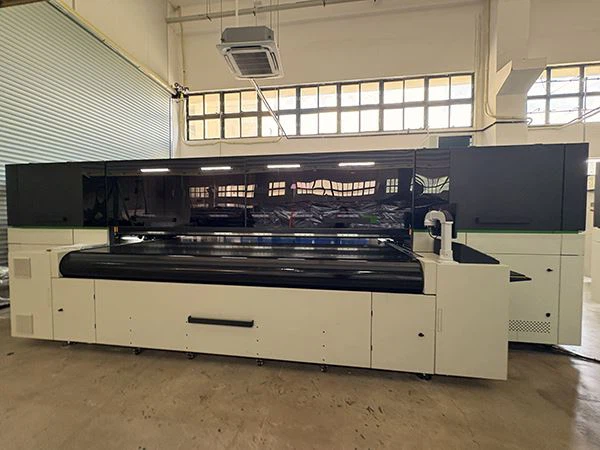
Select from our comprehensive list of production machinery, complete with white ink circulation and auto-clean configurations designed to protect printheads in dry climates.
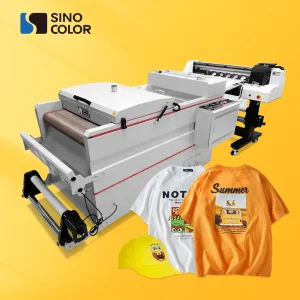
Equipped with a continuous white ink agitation system to prevent pigment settling and printhead clogging.
View Details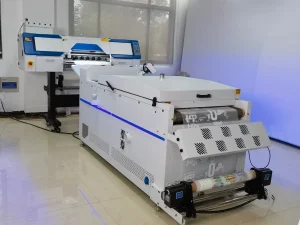
Four-head configuration offering high production speeds, automatic powder dusting, and volume alarms.
View Details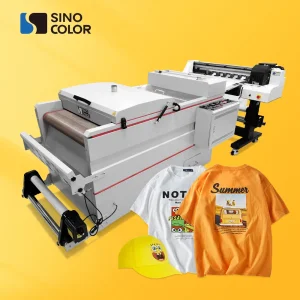
Features automated capping and purging cycles to keep the ink flow reliable without manual work.
View Details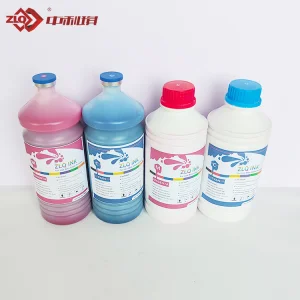
A customizable ink sub-tank configuration that can be adapted to various industrial printer frames.
View Details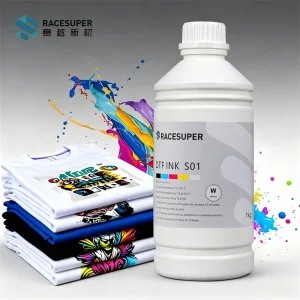
Reduces ink flush waste during design changeovers, saving money during short production runs.
View Details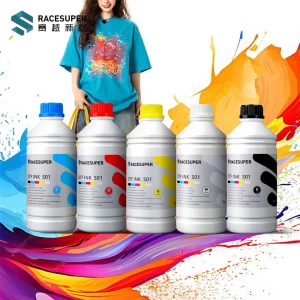
Integrates color profiles with printing software to reduce ink consumption while keeping colors bright.
View Details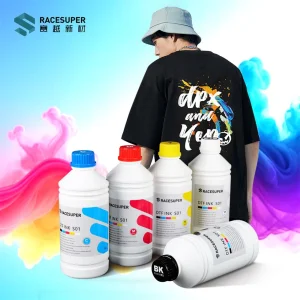
Formulated to dry quickly under heat, helping to speed up post-print workflows.
View Details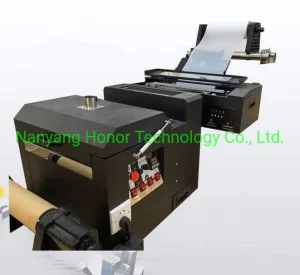
A consolidated design combining the printer, dry tunnel, and powder vibrator into one unit.
View DetailsSouthern African industrial operations deal with specific environmental factors that can affect ink performance. In central Namibia, relative humidity often drops below 15%, and ambient temperatures can exceed 35°C during summer. For typical digital inkjet systems, this dry air can dry ink on the printhead nozzles, causing blockages, print failures, and shifting colors.
Our pigment formulations use high-grade humectants and specialized dispersion resins to counter these dry conditions. By using high-molecular-weight polymers, the pigment particles stay suspended in the liquid vehicle. This keeps viscosity stable even during long periods of operation in low-humidity environments.
The binder system is designed to activate under controlled heat. When run through our inline powder curing tunnels or heat presses, the co-polymer binder crosslinks, locking the pigments into the fibers of the substrate. This gives the prints excellent resistance to washing and physical wear, meeting international ISO 105-C06 standards. This durable performance is highly valued by industrial laundry and protective wear manufacturers across the region.
Direct access to our production facilities in Guangzhou, China, helps simplify procurement and logistics for Namibian businesses. Rather than relying on multi-tier trading brokers, local operations can import equipment directly. This cuts out unnecessary markups and ensures that all components conform to international quality standards.
Every printer we ship goes through rigorous quality control, including a 48-hour continuous printing test. We calibrate and test the physical chassis, electrical components, and software compatibility to ensure everything runs smoothly. Our direct factory supply chain also means we carry a complete inventory of spare parts, such as printheads, mainboards, damper assemblies, and high-purity inks. This allows for fast shipping to Namibia via air freight, minimizing down time for our clients.
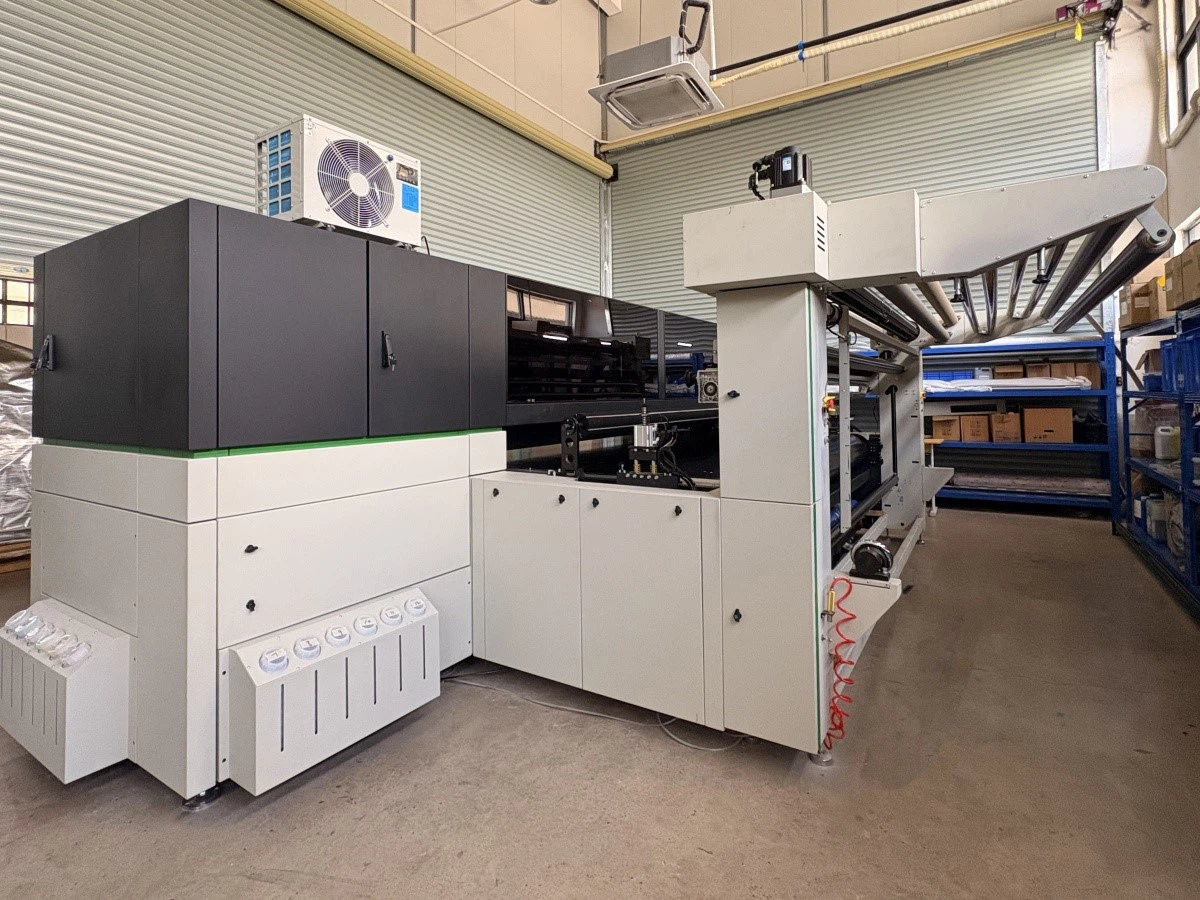
Axis Print combines three core disciplines—industrial digital printing, surface treatment, and inkjet integration—to deliver versatile equipment for textiles, ceramics, glass, and building materials. This integrated approach simplifies complex workflows, allowing seamless transitions from design to finished product while reducing material waste and operational costs.
High-purity ink systems and specialized media, formulated to keep colors vibrant and transfer clean for industrial applications.

Premium texture substrate designed for banner displays, high-end packaging, and art prints.
View Details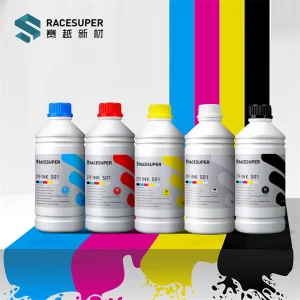
Software-linked ink formulation designed to optimize gray balance and color transitions.
View Details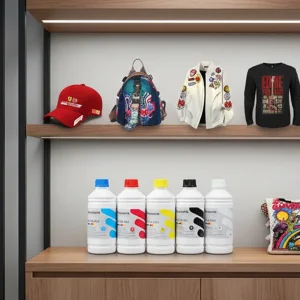
1-Liter bulk ink option balanced to bond cleanly with TPU powder for soft, flexible prints.
View Details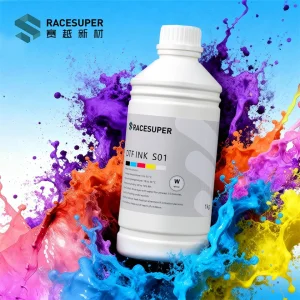
Formulated to work reliably across a range of Epson, Ricoh, and Kyocera industrial printheads.
View DetailsProviding reliable technology and manufacturing solutions that help reduce operational downtime and raw material waste worldwide.
Shipping large machinery to Southern Africa requires planning for customs and transport. Guangzhou Axis Print Co., Ltd. coordinates shipments to Namibia, typically routing them through the Port of Walvis Bay. We handle export documentation, compliance, and shipping arrangements to make the import process as smooth as possible.
Our documentation matches local standards, including SADC customs clearances and international standards like CE, RoHS, and OEKO-TEX Eco Passport. This helps avoid customs delays in Windhoek or Walvis Bay, so you can get your system up and running on schedule.
For installation and training, we offer remote support and work with local service engineers where possible. During setup, our engineers assist your team via video and remote desktop connections. We help you set up RIP software (such as Cadlink, Photoprint, or MainTop), calibrate printheads, and establish custom ICC color profiles to suit local working conditions. This helps your operators run the machinery safely and keep production efficient.
Our systems use active temperature management and closed-loop ink circulation. The sub-tanks constantly move the ink through the lines to prevent settling and drying. The smart cooling systems keep ink viscosity stable even when the print room temperature fluctuates, reducing printhead blockages.
For standard equipment configurations, the factory prep and testing process takes about 7 to 10 working days. Ocean freight from Guangzhou to the Port of Walvis Bay generally takes between 30 and 45 days, depending on shipping lines. Air freight is available for smaller systems and spare parts, taking 7 to 12 days.
Our pigment inks and DTF consumables carry OEKO-TEX Eco Passport certification. This certifies that the prints are safe for skin contact, making them suitable for baby clothing and general retail apparel. The systems also meet CE electrical and safety compliance standards.
We provide remote setup support, which includes video walk-throughs, remote desktop calibration, and direct lines to our technical support team in Guangzhou. We also carry a full inventory of replacement parts to ship out quickly if your team needs to replace components.
Yes, pigment DTF inks print onto PET transfer films, which are then applied to fabrics using a heat press. Since the transfer relies on a specialized adhesive powder, the inks bond well to a variety of substrates, including cotton, polyester, nylon, canvas, and blended textiles.
 Axis Print