Global Macro Solutions: Bridging Additive Tech and Surface Finish
The manufacturing sector is undergoing a massive convergence. Historically, 3D printing and surface decoration existed as isolated, distinct stages of the product development cycle. Today, high-throughput production requires a synchronized approach where materials are shaped and detailed in highly efficient, continuous workflows. By merging custom-engineered 3D printing processes with inline digital finishing, factories can construct products with unprecedented detail, speed, and material optimization.
Macro Trend 1: High-Speed Inline Personalization
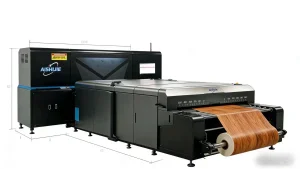
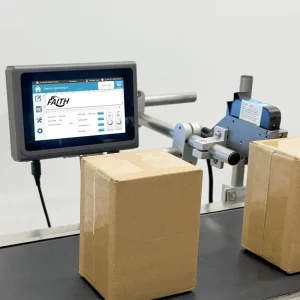
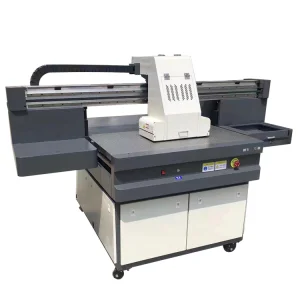
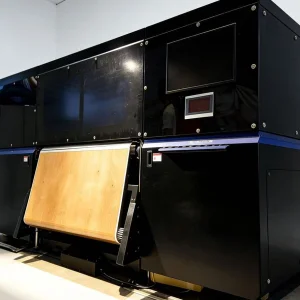
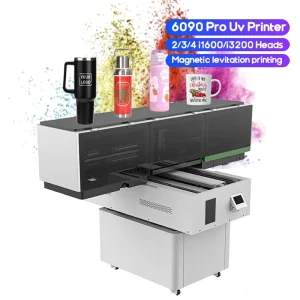
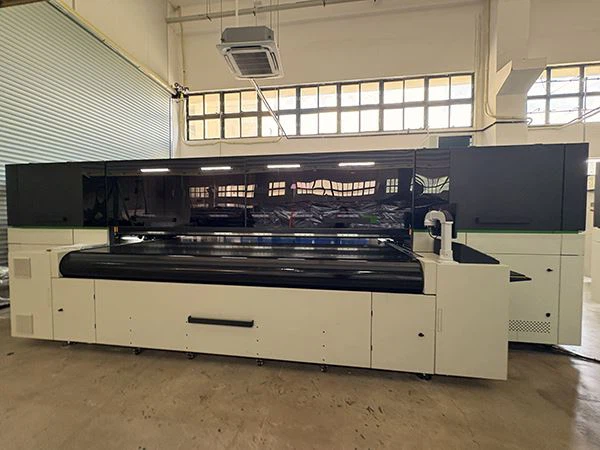
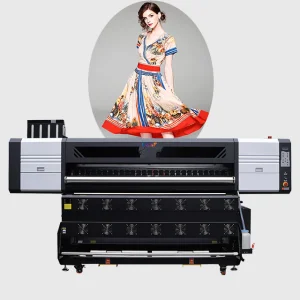
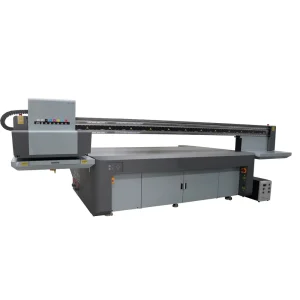
Consumer and industrial sectors alike are shifting away from large-volume standardized runs. The demand is now focused on bespoke runs where each unit carries customized markers, structural modifications, or specialized decorative coatings. Our industrial UV flatbed systems and construction panel printers are specifically engineered to enable this flexibility, allowing manufacturers to alter designs on the fly without stopping the main assembly line.
Macro Trend 2: The Transition to Green Chemistry and UV Curing
Sustainability is no longer a peripheral concern; it is a core operational requirement. Traditional solvent-based decoration methods are being replaced by UV LED curing systems. UV LED chemistry emits zero volatile organic compounds (VOCs) and drastically reduces the energy footprint of the production facility. By integrating instant curing setups with advanced printhead modules, Guangzhou Axis Print helps factories align with strict local environmental mandates while simultaneously accelerating processing speeds.
Macro Trend 3: Automated Quality Assurance and Vision Integration
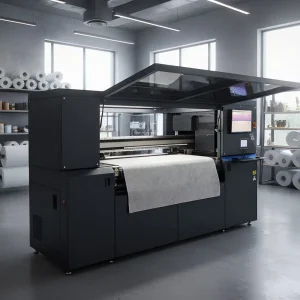
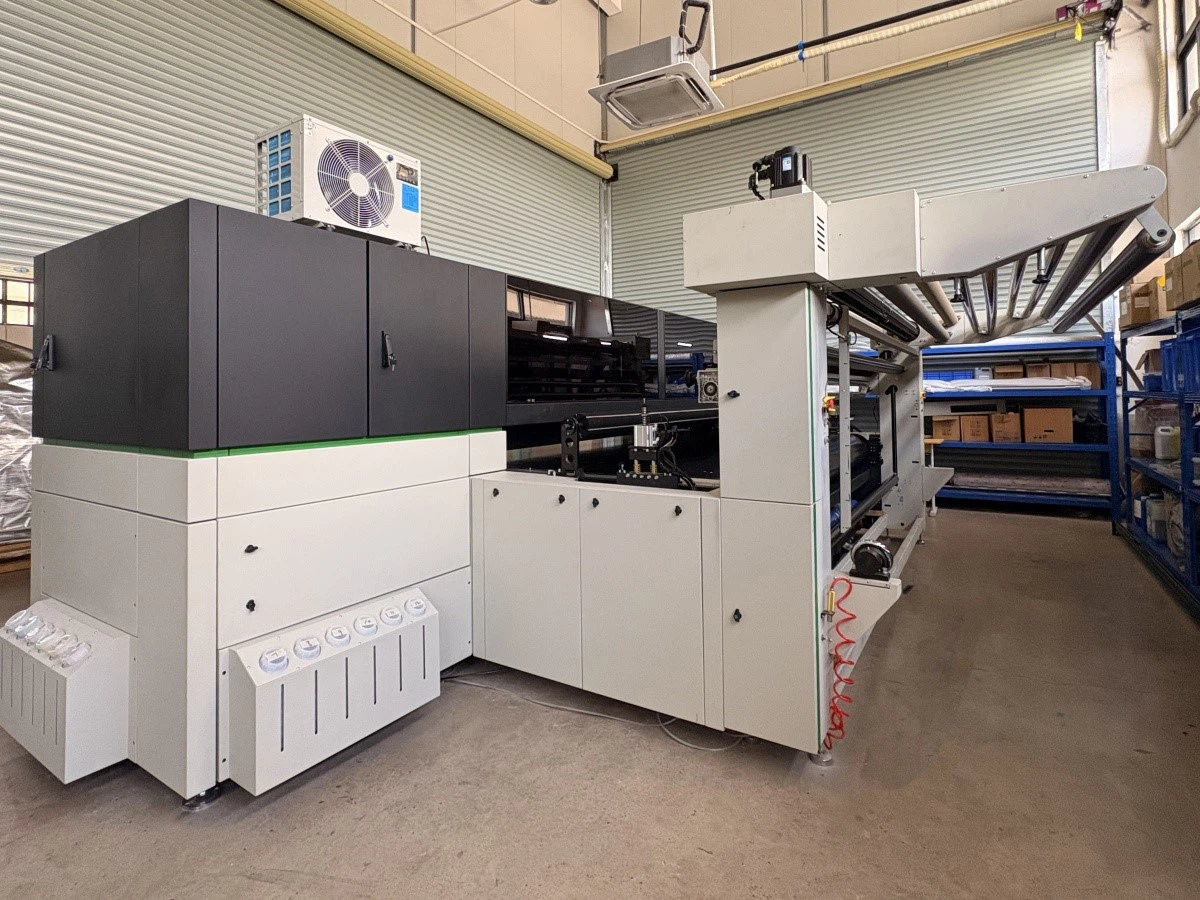
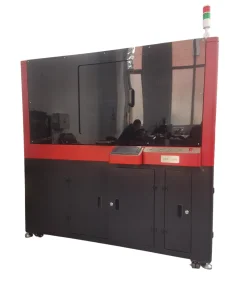
As printing speeds increase, manual inspection becomes a critical bottleneck. Modern digital printers must be equipped with optical vision sensors and camera calibration arrays. These systems automatically adjust printhead positioning, calibrate color deviations, and detect surface anomalies in real-time. This level of automated intervention is critical for maintaining consistency across long runs of construction panel films, textile embroideries, and custom glass containers.
 Axis Print