Explore high-performance digital printing machinery, customized surface controllers, and ink technologies engineered for seamless workflow compatibility.

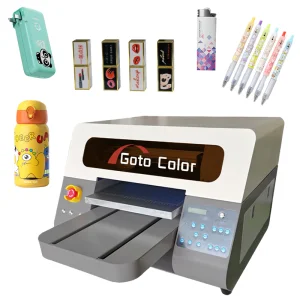
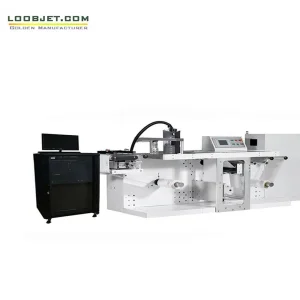
Guangzhou Axis Print Co., Ltd. stands as a benchmark of innovation in industrial digital printing, delivering high-performance integrated systems across surface decoration and advanced piezoelectric inkjet technologies. Operating from the advanced manufacturing hub of Guangzhou, the company specializes in engineering precision solutions. These systems empower manufacturers to achieve optimal accuracy, high throughput, and system reliability within modern, highly automated production lines.
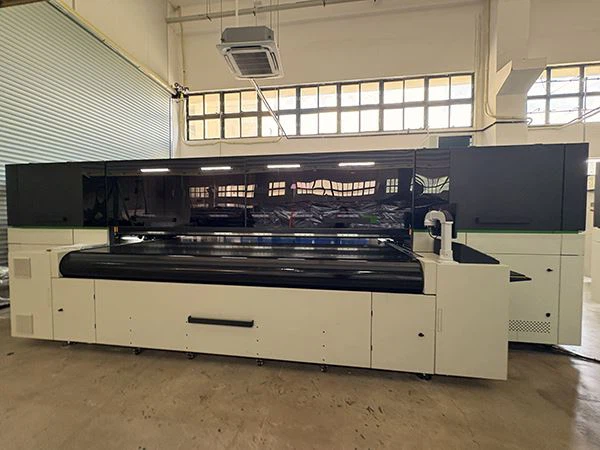
By prioritizing industrial digital printing, surface preparation, and advanced inkjet system integration, Axis Print supplies versatile machinery tailored for processing textiles, ceramics, glass, polymers, and building materials. These solutions streamline workflows, allowing seamless transitions from high-resolution digital files to cured final substrates. This integration minimizes ink overspray, reduces setup waste, and lowers overall operational costs.
At the center of Axis Print's industrial edge is its implementation of drop-on-demand (DoD) printing mechanics, securing precise color metrics, stable drop-placement frequencies, and extensive chemistry compatibility. By pairing automated control units with dynamic physical handling machinery, Axis Print supports global enterprises to scale production while ensuring conformance with strict quality parameters.
The technological transition from mechanical printheads to smart piezoelectric microsystems (MEMS).
Modern industrial inkjet systems are built on thin-film piezo crystal technologies. Under electrical currents, these crystals deform with micro-second accuracy, expelling precise ink volumes. The use of Epson i3200 and Ricoh Gen6 architectures supports variable drop sizes from 2.5pl to 15pl, guaranteeing smooth gradients without compromising printing speed.
Moving away from traditional mercury lamps, modern systems use UV-LED curing units. By emitting specific light wavelengths (typically 395nm), monomers instantly cross-link into durable polymers. This reduces energy draw by up to 70% and prevents heat-induced warping on delicate films and plastics.
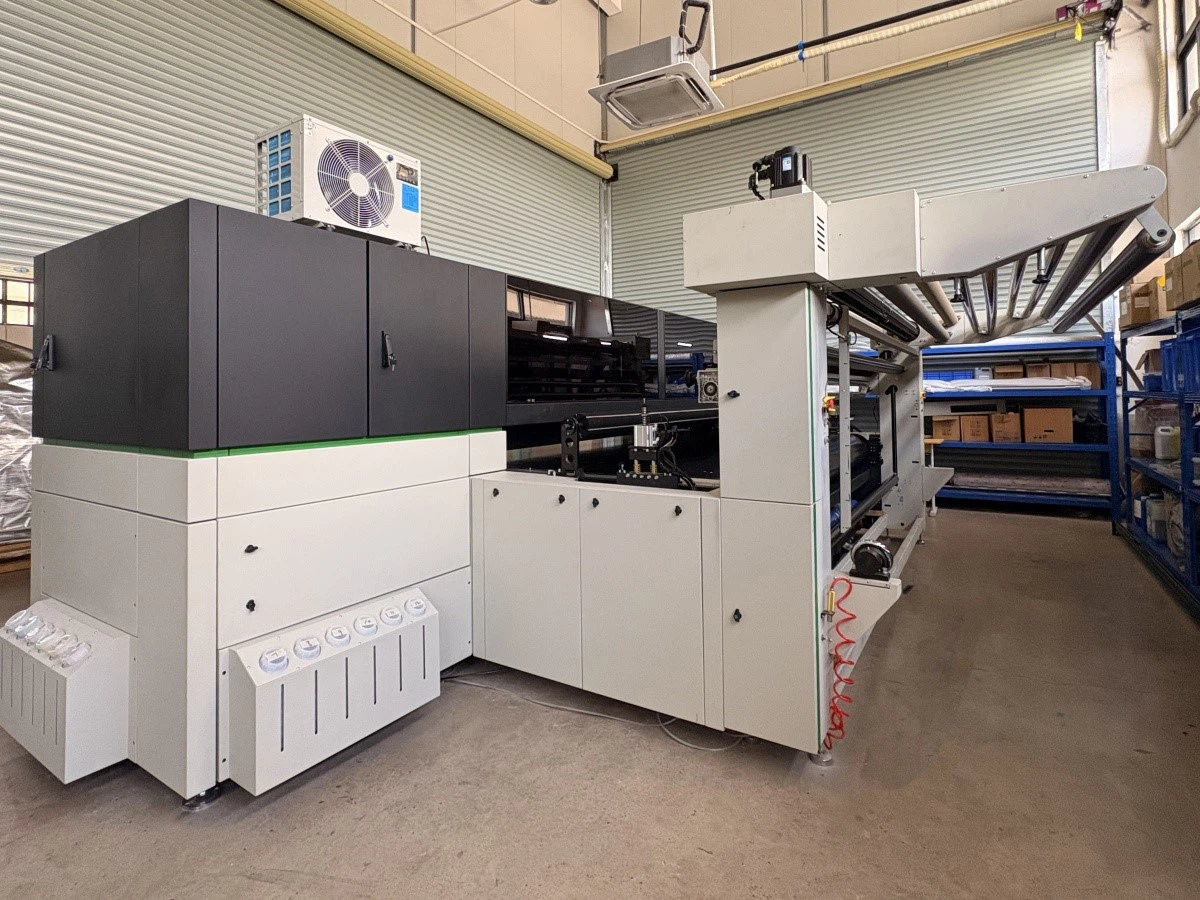
Future industrial lines rely on Single-Pass configurations. Rather than moving printheads back and forth, fixed arrays span the entire width of the media. Conveyors transport substrates under these arrays at speeds exceeding 80 meters per minute, bringing digital production speeds close to traditional flexographic lines.
A central challenge in industrial inkjet integration is managing fluid behavior inside the nozzle. The viscosity, surface tension, and pigment density of the ink must align with the printhead's physical operating limits to prevent nozzle dropout and diagonal jetting.
How industrial digital printing technologies adapt to solve production challenges across key global sectors.
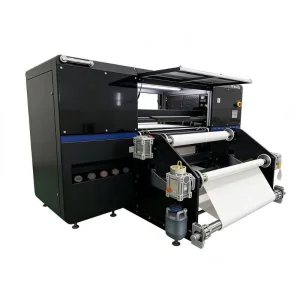
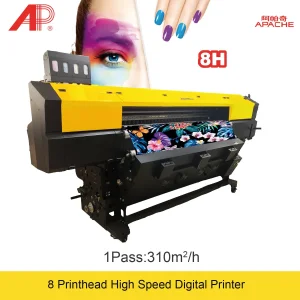
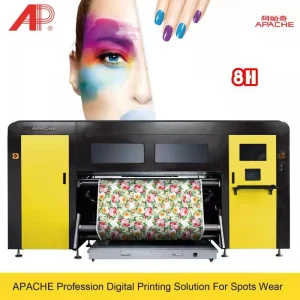
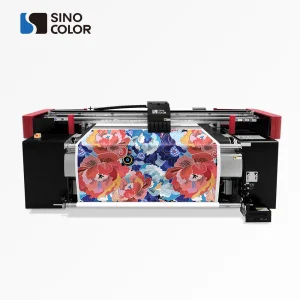
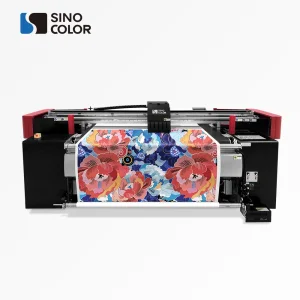
Traditional screen printing requires long setups and high minimum orders. Axis Print’s belt-driven textile printers and high-speed dye sublimation units allow manufacturers to run complex, multi-color prints with zero screen setup. The system adjusts ink release based on fabric weight, saving up to 40% in water usage compared to conventional dyeing techniques.
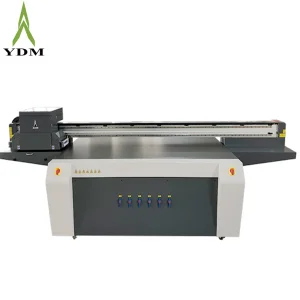
Printing directly onto non-porous surfaces like tempered glass requires precise surface chemistry control. Axis Print addresses this challenge through integrated glass roller coating systems, which apply a thin adhesion promoter (primer) prior to UV-LED printing. The subsequent deposit of CMYK + White + Varnish ink layers delivers durable panels suitable for interior walls, furniture, and outdoor glazing.
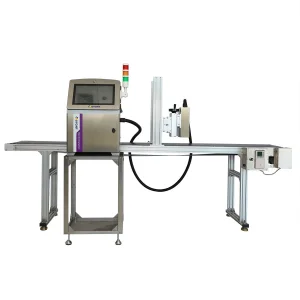
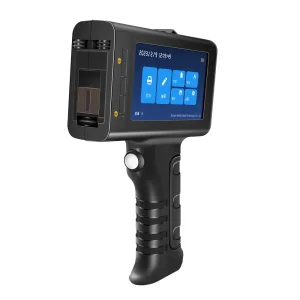
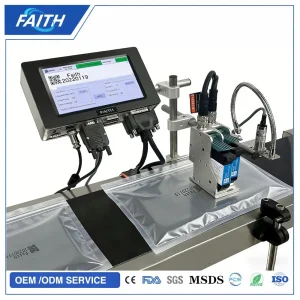
In food, pharmaceutical, and consumer electronics production, variable data marking (like batch codes, QR codes, and expiry dates) must be applied without slowing down conveyor lines. Thermal Inkjet (TIJ) and Piezo-driven online markers integrate directly into packaging machines. These systems print clean, high-contrast alphanumeric data onto curved glass, plastics, and paperboard substrates.
Why manufacturing partnerships centered in Guangzhou deliver distinct technical and cost advantages.
Modern industrial supply chains depend on speed and component accessibility. Guangzhou Axis Print Co., Ltd. utilizes southern China’s advanced industrial manufacturing ecosystem to streamline production workflows, ensuring component quality and prompt delivery. By sourcing specialized metals, precision guides, control boards, and printheads from local technology corridors, the company reduces assembly and configuration times.
Strict Quality Assurance (QA) & Calibration: Every inkjet system undergoes rigorous factory acceptance testing before shipping. This includes laser-calibrating the printhead carriage to within 0.01mm tolerances, testing ink line pressure stability over 72 hours of continuous operation, and verifying drop placement accuracy across different conveyor speeds. This disciplined testing approach ensures that printers arrive on-site ready to run, reducing initial installation times.
Evaluating Total Cost of Ownership (TCO), customized system engineering, and logistics.
Procuring industrial digital printing equipment requires a thorough evaluation of long-term costs, customization options, and installation support. Global procurement managers look beyond the initial purchase price to consider several key metrics:
Ensuring international technical support, compliance certifications, and operator training.
Global integration requires compliance with local safety regulations and access to reliable technical support. Axis Print ensures all systems meet international standards:
Regulatory Compliance: All machines carry CE, RoHS, and FCC certifications, ensuring safety, electrical compliance, and environmental protection. For textile and packaging applications, Axis Print inks comply with OEKO-TEX, REACH, and RoHS standards, meeting strict chemical and safety regulations for consumer goods.
Technical Support: To minimize downtime, Axis Print provides structured support for international clients. This includes remote diagnostics, video training for local technicians, and access to complete schematic libraries. For major installations, the company sends service engineers to assist with setup, calibration, and training on-site.
Answers to technical questions regarding industrial printhead technology, compatibility, and maintenance.
Industrial inks, inline coding machines, and large-format digital printing systems built for 24/7 reliability.


 Axis Print