Engineered for absolute accuracy, high volume output, and minimal maintenance overhead.
The manufacturing sector is undergoing a profound paradigm shift. Traditional analog printing workflows (such as screen and rotogravure printing) are facing unsustainable challenges: long setup times, massive water waste, expensive plate production, and an inability to dynamically print variable data. Modern markets demand rapid customization, short-run efficiency, and zero-inventory manufacturing. This has accelerated the integration of Automated Printing Solutions directly into smart industrial lines.
Globally, automated industrial printing is no longer treated as a standalone post-process activity. Instead, it is fully embedded into high-speed production lines using industrial ethernet protocols, AI vision alignment systems, and inline surface curing. From smart logistics packaging requiring high-speed barcode serialization to custom glass panels and sublimation textiles, automated digital systems ensure that physical decoration, coding, and quality control are resolved in a single, high-speed automated pass.
Industrial machinery communicates directly with plant-wide MES and ERP platforms, allowing real-time job switching, automated image adjustment, and dynamic workflow control without line interruptions.
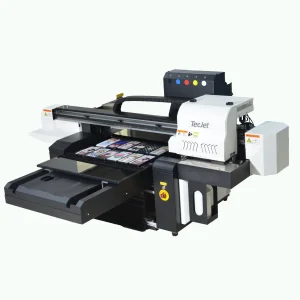
Using advanced piezoelectric printhead drivers to control droplet sizes down to the picoliter level, minimizing ink consumption and outputting highly precise color gradients on demanding substrates.
Equipped with advanced UV LED modules and low-VOC inks, ensuring instant polymerization, lower thermal footprint, and safe integration into sustainable manufacturing environments.
Guangzhou Axis Print Co., Ltd. today announced its continued expansion in the field of industrial digital printing, reinforcing its position as a forward-looking provider of integrated solutions across surface decoration and advanced inkjet technology. Headquartered in Guangzhou, the company specializes in developing high-performance systems that enable manufacturers to achieve precision, flexibility, and efficiency in modern production environments.
With a strong focus on industrial digital printing, surface treatment, and inkjet integration, Axis Print delivers versatile equipment tailored for industries such as textiles, ceramics, glass, and building materials. Its solutions are designed to streamline complex workflows, allowing seamless transitions from design to finished product while reducing material waste and operational costs.
At the core of the company's innovation is its advanced inkjet technology, which ensures high-resolution output, consistent color performance, and compatibility with a wide range of substrates. By combining intelligent control systems with automated production capabilities, Axis Print empowers manufacturers to scale operations while maintaining strict quality standards.
In response to growing global demand for customized and sustainable production, Guangzhou Axis Print Co., Ltd. continues to invest in research and development, enhancing its portfolio of digital printing and surface processing solutions. The company remains committed to delivering reliable, efficient, and future-ready technologies that support the ongoing transformation of industrial manufacturing worldwide.
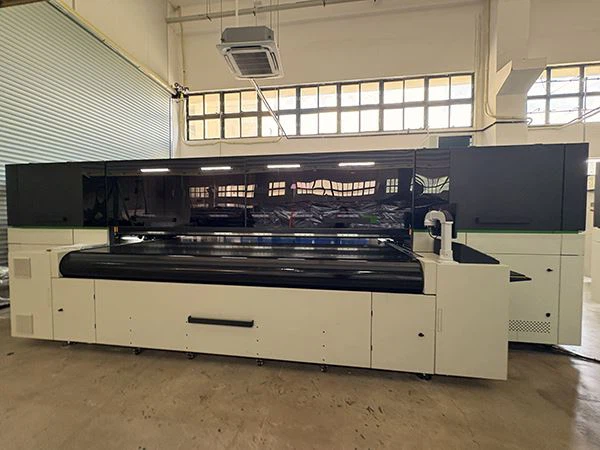
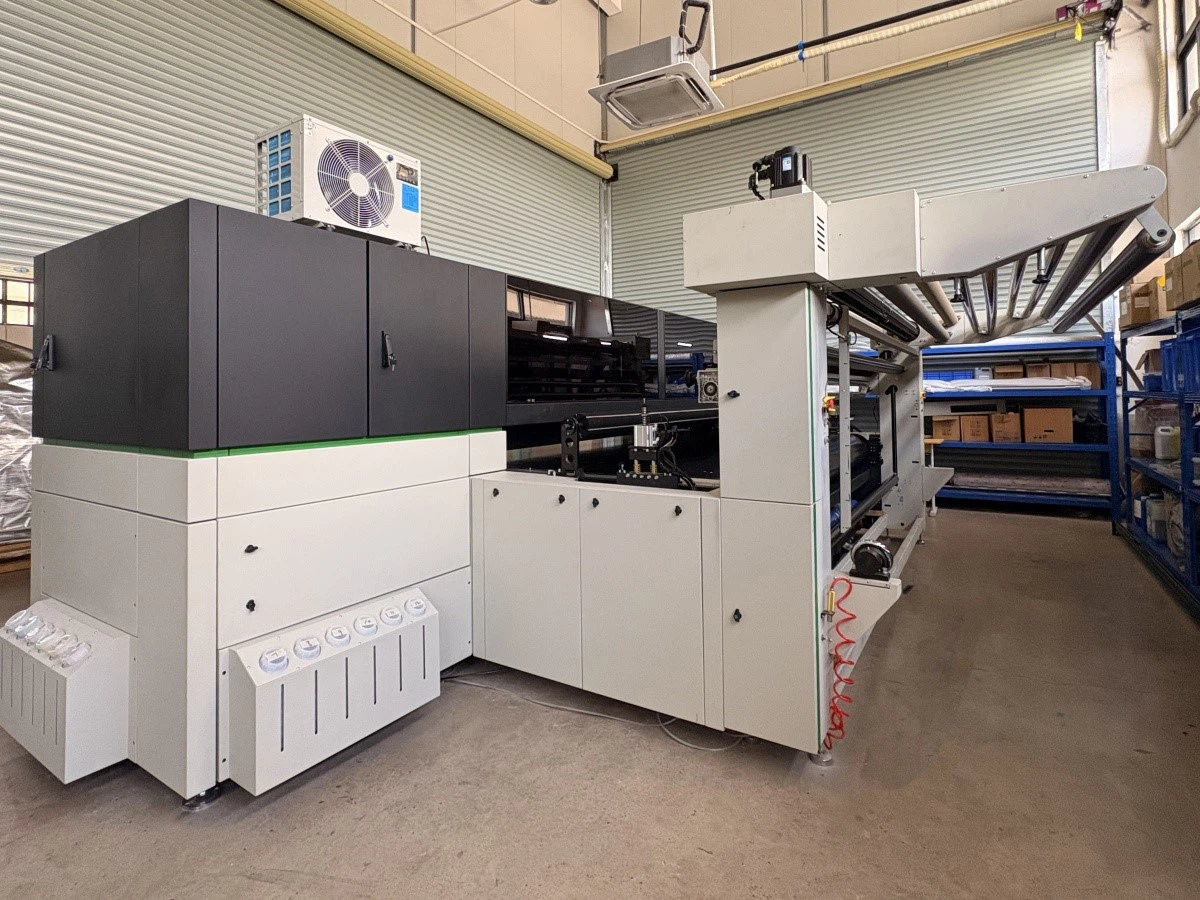
Choosing a wholesale partner in China for automated printing solutions offers unparalleled advantages across three primary domains: industrial cluster depth, structural engineering flexibility, and cost-to-performance efficiency.
Discover how custom automated printing systems streamline production across key business verticals.
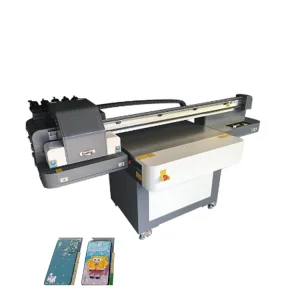
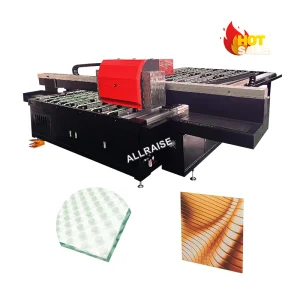
For architectural panels, shower doors, and automotive glass. Systems integrate automated loading, dust removal, atmospheric plasma surface activation, high-precision flatbed UV printing with white/color/varnish layout, and online UV curing for scratch-resistant finishes.
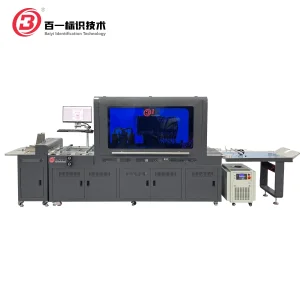
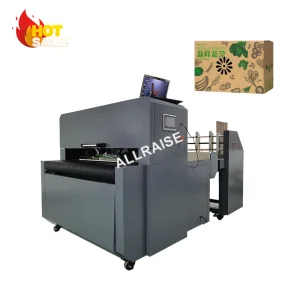
High-speed "One Pass" printing systems bypass traditional plates. Perfect for e-commerce, custom logistics packaging, and short-run consumer boxes. Dynamic databases adjust designs, barcodes, and logos on the fly at speeds of over 80 meters per minute.
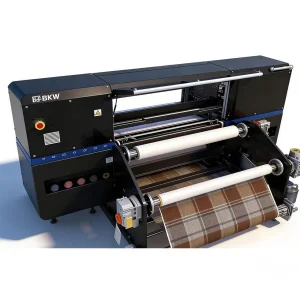
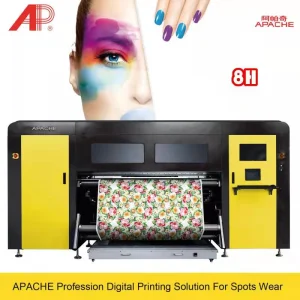
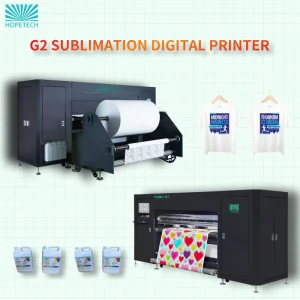
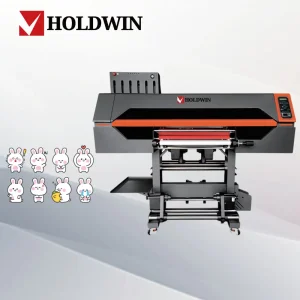
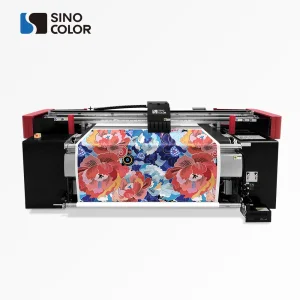
Utilizing high-speed digital belt printers and sublimation transfer systems (such as the Apache 8-H with Epson S3200 printheads) to print on silk, polyester, cotton, and nylon. High-precision ink control guarantees rich color profiles with minimal wastewater footprint.
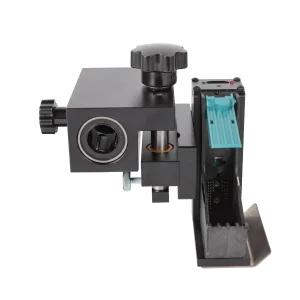
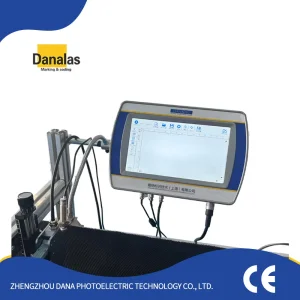
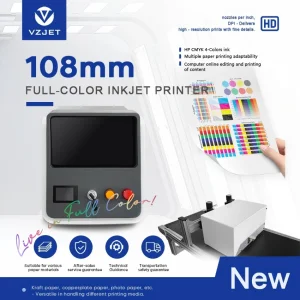
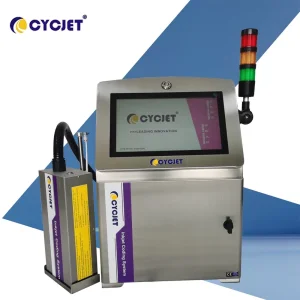
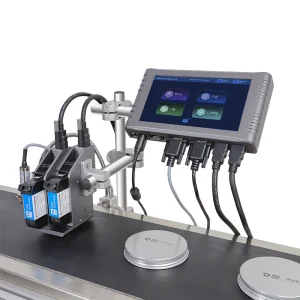
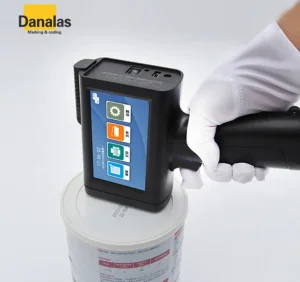
Integrated online TIJ (Thermal Inkjet) systems installed directly on packaging lines. Seamlessly prints high-contrast expiry dates, serial numbers, QR codes, and logistics tags onto cardboard cartons, plastics, and wooden crates.
Procuring industrial-grade printing systems requires focusing on metrics that impact your Total Cost of Ownership (TCO). Use the following evaluation framework to select a reliable partner:
Confirm the supplier utilizes industrial piezo printheads (Epson, Ricoh, Kyocera) with native waveform tuning. Proper driver boards prevent premature nozzle clogging and ensure long operational life.
Many substrates (glass, metals, PP plastics) require pre-treatment. Ensure your supplier provides integrated corona, flame, atmospheric plasma, or primer coating options to secure long-term ink adhesion.
Validate the supplier's ink options against your regulations. Inks must match the substrate and curing method (UV-LED, Eco-Solvent, Water-based, Acidic, or Disperse inks) with proper certification (e.g., RoHS, REACH).
Technical clarity from industry experts on capabilities, performance, and maintenance.
Single Pass printing utilizes a stationary printhead bar that spans the entire width of the substrate. The substrate moves continuously under the printheads. This allows speeds exceeding 50-100 meters per minute, making it ideal for high-volume corrugated boxes, label lines, and wood grain transfer paper. Multi-pass (scanning) systems move the print carriage back and forth, offering higher ultimate resolution on wide formats but at significantly lower speeds.
Ink viscosity is highly dependent on temperature. Industrial printers utilize automated ink heating systems inside the sub-tanks and printhead carriages. This maintains a steady temperature (typically between 38°C and 45°C) to ensure consistent viscosity, preventing nozzle dropouts and maintaining stable drop volumes for precise color control.
Glass has high surface energy and is naturally non-porous. To ensure adhesion, the glass substrate must undergo thorough cleaning, followed by application of a chemical coupling primer (silane-based) or dynamic atmospheric plasma treatment. This alters the contact angle of the glass surface, allowing the UV-LED ink to bond tightly, ensuring it passes strict cross-hatch adhesion and boiling water tests.
Yes. Our engineering systems are designed with modular integration in mind. Using standard industrial communication protocols (PLC control, I/O signals, Modbus, or TCP/IP), printheads can be mounted over existing lines. Encoders track speed fluctuations, triggering the ink firing mechanism synchronously with conveyor movement to prevent image distortion.
Explore our full catalog of high-resolution digital printers, belt-textile machines, and TIJ marking systems.
 Axis Print