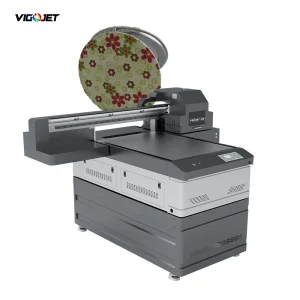
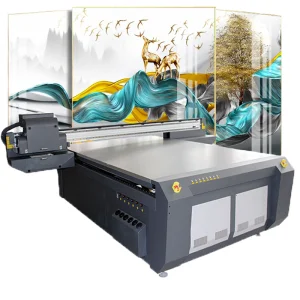
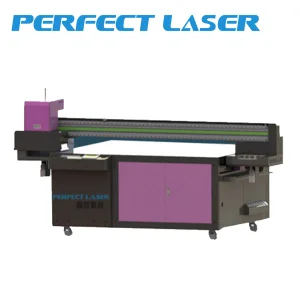
Explore our precision-engineered systems designed to maximize production throughput and surface-adhesion compatibility across complex substrates.
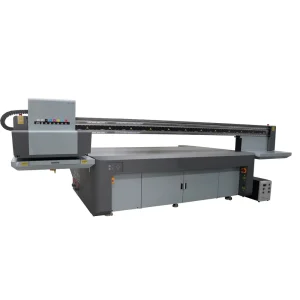
Deep-dive research into global technology shifts, chemical coatings, and mechanical integration for complex B2B production lines.
The global manufacturing footprint is experiencing a massive shift toward automation and hybrid printing methodologies. Industrial print processes, once strictly segregated into traditional offset printing and pure digital inkjet, are rapidly consolidating. Traditional offset printing technologies maintain unrivaled cost efficiencies at extreme scale; however, the requirement for short-run customization, minimized setup waste, and variable data integration has paved the way for advanced industrial digital printing and surface treatment workflows.
Modern printing systems must now support instant printhead positioning, real-time drying capabilities via advanced UV LED exposure, and inline mechanical coatings that prepare non-porous media like building glass, ceramics, and wood composites for high-adherence pigment ink setups. Substrate diversity is the primary driver of this evolution: manufacturers are no longer only printing on paper, but on challenging substrates that require high surface tension control and specific curing wavelengths.
In response to these demands, industry heavyweights and B2B exporters are prioritizing intelligent hybrid technology. By mounting high-speed digital arrays onto traditional mechanical material-handling chassis, businesses can achieve the stability of offset workflows combined with the dynamic agility of high-resolution piezo inkjet systems. This hybrid structure eliminates the costly setups associated with physical plate engraving, transforming standard manufacturing pipelines into highly flexible, print-on-demand fulfillment ecosystems.
Guangzhou Axis Print Co., Ltd. today announced its continued expansion in the field of industrial digital printing, reinforcing its position as a forward-looking provider of integrated solutions across surface decoration and advanced inkjet technology. Headquartered in Guangzhou, the company specializes in developing high-performance systems that enable manufacturers to achieve precision, flexibility, and efficiency in modern production environments.
"By bridging the gap between mechanical structural stability and high-adhesivity ink chemistry, Axis Print unlocks new productivity thresholds for textile, ceramic, glass, and building material manufacturers globally."
With a strong focus on industrial digital printing, surface treatment, and inkjet integration, Axis Print delivers versatile equipment tailored for industries such as textiles, ceramics, glass, and building materials. Its solutions are designed to streamline complex workflows, allowing seamless transitions from design to finished product while reducing material waste and operational costs.
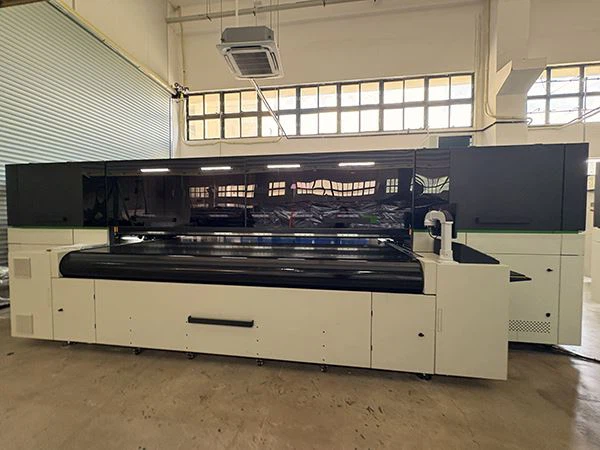
Our comprehensive research and development focus delivers system stability and precision calibration across three primary engineering domains.
Utilizing high-end grayscale printhead arrays (like Ricoh Gen5/6) paired with precise RIP controllers to output 2400dpi micro-droplets. This delivers consistent high-fidelity color profiles across diverse, porous and non-porous media.
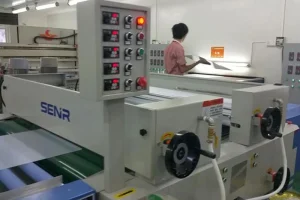
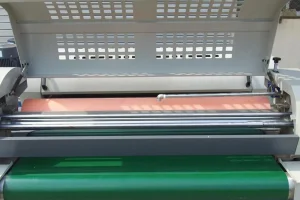
Inline roller glass and sheet coating mechanisms optimize substrate surface energy (dyne levels). Proper coating chemistry prevents paint peeling, ink bleed, and degradation on difficult materials such as building ceramics and tempered glass.
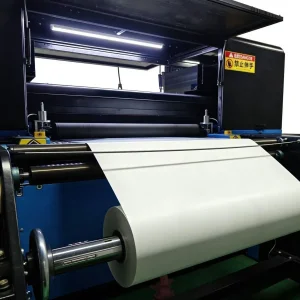
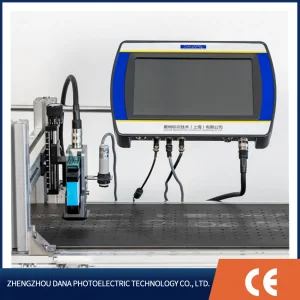
Closed-loop tension management, linear motor guides, and integrated digital camera inspection frameworks detect print drop errors and align designs in real-time, eliminating costly manual quality inspection cycles.
At the core of the company’s innovation is its advanced inkjet technology, which ensures high-resolution output, consistent color performance, and compatibility with a wide range of substrates. By combining intelligent control systems with automated production capabilities, Axis Print empowers manufacturers to scale operations while maintaining strict quality standards.
Global procurement teams operating in Europe, North America, and Southeast Asia demand machinery that complies with rigid safety, environmental, and mechanical regulations (such as CE and RoHS certifications). Additionally, the modern supply chain requires unprecedented resilience. Sourcing industrial equipment from Guangzhou Axis Print connects you with a highly optimized logistics and engineering hub.
Through our intelligent Factory 4.0 framework, we guarantee rapid component availability, remote digital diagnostics, and modular system upgrades. This setup keeps B2B production lines running with minimal downtime, even in volatile trade environments.
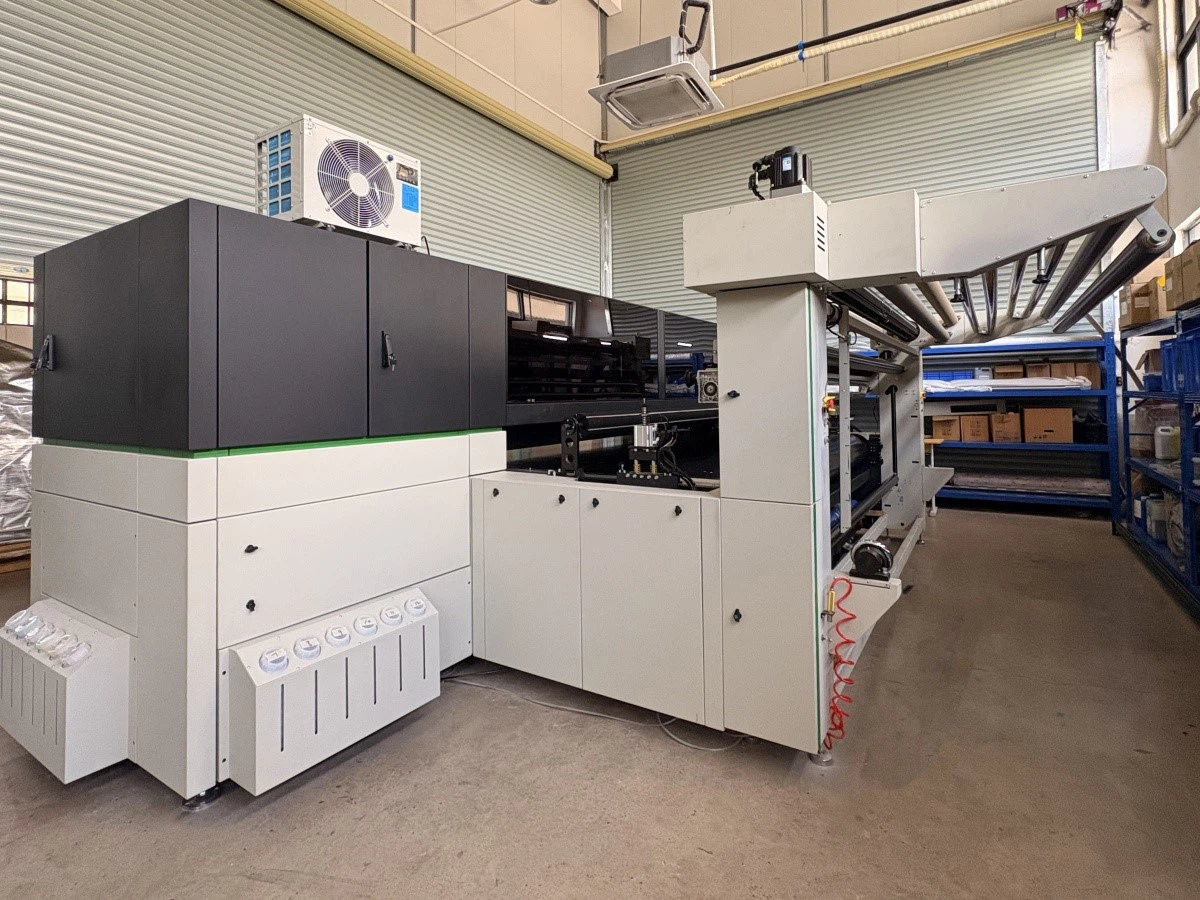
How customized offset, digital flatbeds, and surface coating processes combine to solve real-world B2B manufacturing challenges.
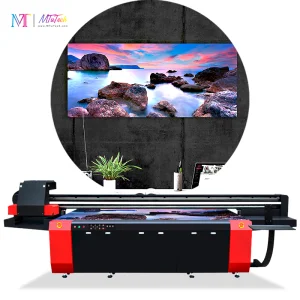
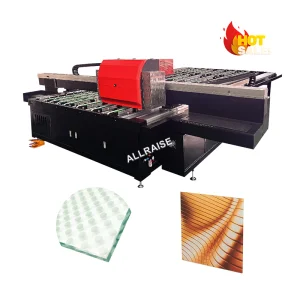
Industrial glass demands high scratch resistance and longevity under UV exposure. High-speed roller coating machines apply silane coupling primers, followed by high-adhesivity UV-curable inks on flatbed printers to deliver durable facade elements.
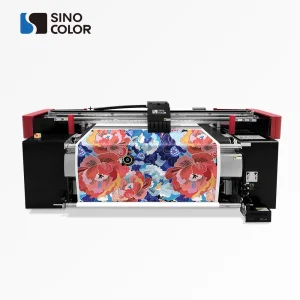
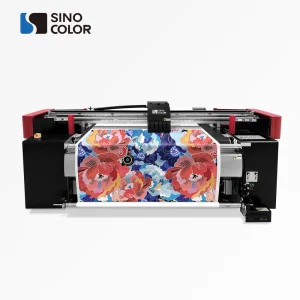
For fashion and home textiles, multi-head conveyor belt dye sublimation systems operate at 2400dpi, ensuring tension-free fabric transport. This eliminates registration shifting during continuous high-speed roll-to-roll printing.
Modern building codes often restrict high-cost raw materials. Positioning printers apply detailed wood or stone patterns directly onto MDF or fiber cement boards, creating realistic textures that bypass standard offset plate restrictions.
In response to growing global demand for customized and sustainable production, Guangzhou Axis Print Co., Ltd. continues to invest in research and development, enhancing its portfolio of digital printing and surface processing solutions. The company remains committed to delivering reliable, efficient, and future-ready technologies that support the ongoing transformation of industrial manufacturing worldwide.
Get professional, engineering-focused answers on industrial printing integrations, surface preparation, and equipment operations.
Traditional offset printing requires physical aluminum plate creation and ink transfer cylinders, offering high speeds for large-volume print runs. However, setup costs make it impractical for low volumes. Digital flatbed UV printing eliminates plates, allowing direct, variable-data printing onto rigid materials. It features instant ink curing via UV light, reducing setup times and enabling cost-effective, customized production runs.
Glass and glazed ceramics are non-porous and have low surface energy. This means raw ink cannot wet the surface properly, leading to bead formation and peeling. Inline roller glass coating machines apply chemical primers (such as silane coupling agents) that alter surface tension. This improves mechanical bonding between the substrate and the ink, ensuring the final print resists scratching, moisture, and wear.
Ricoh Gen5 and Gen6 printheads use durable metal construction and industrial-grade piezo actuators to support variable droplet size technology (greyscale printing). They jet ink droplets from 5 to 21 picoliters. This enables high-density solid fills alongside smooth gradients and fine text. These printheads are designed to survive the continuous vibrations and long runs typical of industrial corrugated packaging plants.
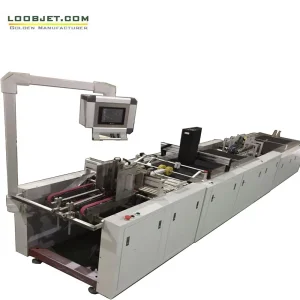
At speeds of up to several hundred meters per minute, manual inspection is impossible. An automated digital printing inspection system uses high-speed CCD cameras and real-time processing algorithms. It compares the printed output to the source PDF to detect defects like nozzle dropouts, color shifts, registration errors, and smudges. The system flags defective items for immediate removal or alert.
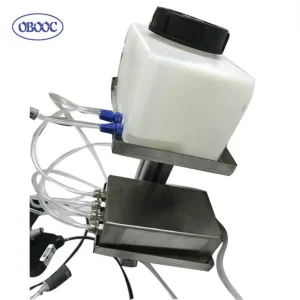
Standard cartridges require frequent replacement, causing downtime and increasing per-milliliter ink costs. A CISS bulk system (such as the 45A water-based system for HP TIJ2.5) draws ink from larger reservoirs. This maintains constant pressure inside the printhead, preventing dry firing. It reduces ink costs by up to 60% and ensures uninterrupted operation on automated packaging line runs.
Explore our complete industrial portfolio, featuring specialty flatbed printers, positioning systems, and high-speed sublimation engines.
 Axis Print