Explore our collection of cutting-edge industrial print engines. From fast-cycle flexible packaging UV lines to large-format sublimation flatbeds, engineered to improve yield, lower waste, and optimize cost-per-print performance.
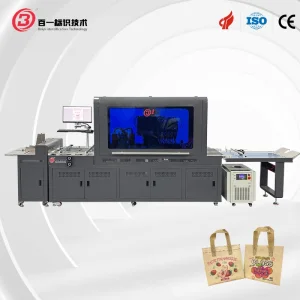
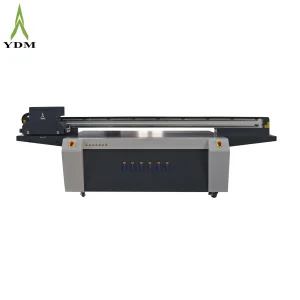
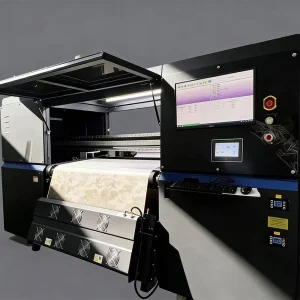
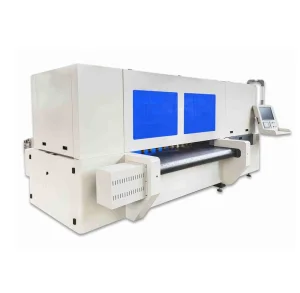
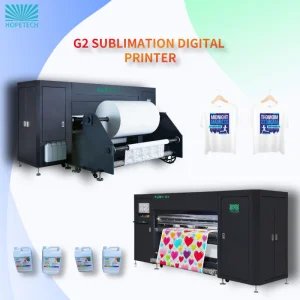
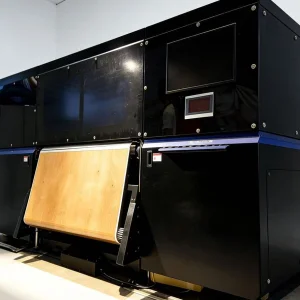

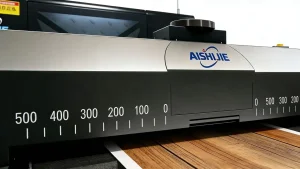
Guangzhou Axis Print Co., Ltd. is a forward-looking provider of integrated solutions across surface decoration and advanced inkjet technology. Headquartered in Guangzhou, the company specializes in developing high-performance systems that enable manufacturers to achieve precision, flexibility, and efficiency in modern production environments.
With a strong focus on industrial digital printing, surface treatment, and inkjet integration, Axis Print delivers versatile equipment tailored for industries such as textiles, ceramics, glass, and building materials. Its solutions are designed to streamline complex workflows, allowing seamless transitions from design to finished product while reducing material waste and operational costs.
At the core of the company’s innovation is its advanced inkjet technology, which ensures high-resolution output, consistent color performance, and compatibility with a wide range of substrates. By combining intelligent control systems with automated production capabilities, Axis Print empowers manufacturers to scale operations while maintaining strict quality standards.
In response to growing global demand for customized and sustainable production, Guangzhou Axis Print Co., Ltd. continues to invest in research and development, enhancing its portfolio of digital printing and surface processing solutions. The company remains committed to delivering reliable, efficient, and future-ready technologies that support the ongoing transformation of industrial manufacturing worldwide.
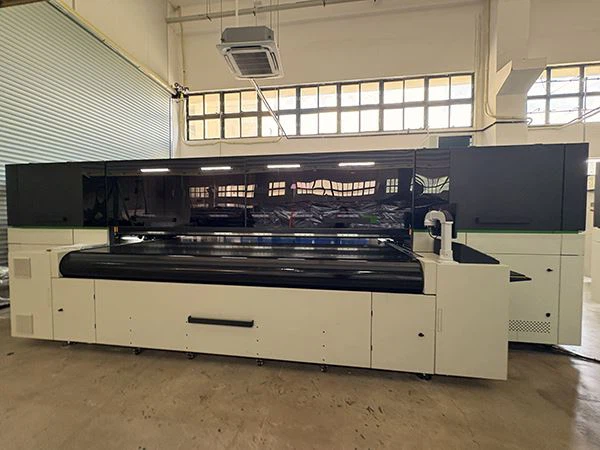
The international industrial printing sector is undergoing a major technological migration from analogue printing methods to digital high-speed inkjet processes. Driven by shifting consumer expectations for on-demand customization, rapid design changes, and eco-friendly manufacturing, global factories are investing heavily in advanced dye-sublimation and direct-to-substrate digital systems. As major brands reduce inventory risk by running smaller, targeted production cycles, print service providers need versatile machinery that can transition quickly between fabric, glass, wood grain film, and composite metal sheets.
DPI Resolution Engine
Single Pass Speed
Digital Control Integration
Direct Chemical Waste Water
Global demand for sublimation equipment is growing rapidly in the activewear, custom apparel, and soft signage sectors. The ability to deposit dye molecules directly into the molecular structure of polyester fabrics ensures vivid colors, high durability, and wash fastness. Manufacturers need roll-to-roll machinery that maintains stable fabric tension, minimizing distortion across long production runs.
Modern interior decoration requires digital printing to simulate natural wood grains, marble veining, and 3D textured reliefs. Using UV-curable and sublimation-based technologies on materials like acrylic sheets, wall panels, and metal panels helps builders avoid the high cost of raw natural materials while achieving top-tier visual and tactile aesthetics.
Traditional screen-printing processes generate substantial chemical wash water and print paste residues. Digital sublimation and UV LED systems provide dry print environments that require no water during the pigment fixing phase. This helps global manufacturing facilities easily comply with strict local environmental laws and international green certifications.
To maintain print consistency at scale, digital printers must integrate high-precision mechanics with advanced chemical formulations. Guangzhou Axis Print Co., Ltd. focuses its engineering research on critical technical variables: printhead waveforms, ink drop size control, and media transport mechanics.
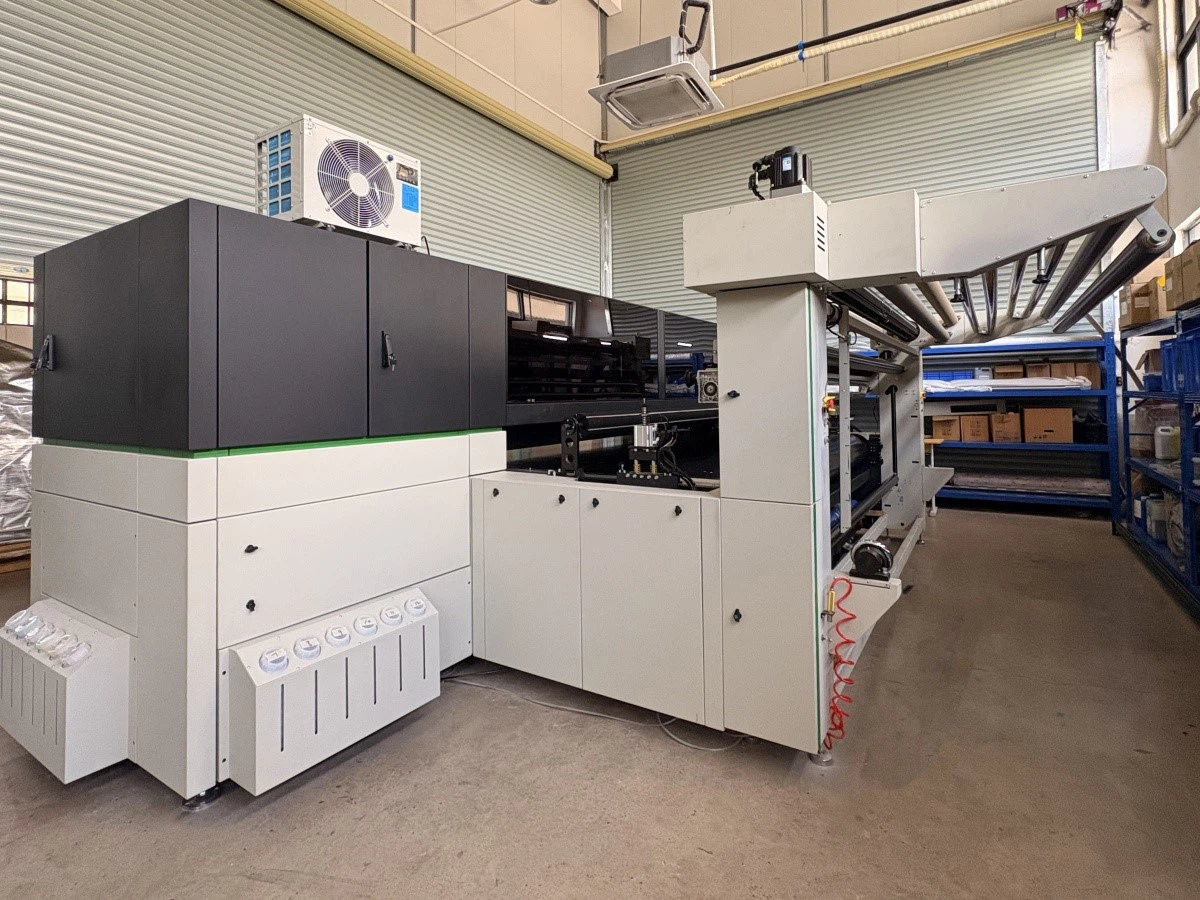
By using precise voltage waveforms on piezoelectric actuators, our systems generate drop sizes from 3 to 12 picoliters. This multi-level greyscale technology enables smooth color transitions, fine gradients, and crisp text reproduction, while significantly reducing overall ink consumption per square meter.
Unlike traditional scanning printers that move back and forth, Single-Pass printing fixes the printheads across the width of the media line. The substrate travels beneath this stationary array at high speeds, which helps manufacturers run continuous production cycles on thin packaging papers, wall panels, and sheet metals.
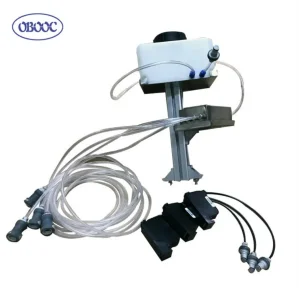
Incorporating technologies such as the Tij2.5 CISS Refill System ensures constant ink pressure and prevents air pockets from forming in the fluid chambers. Active degassing and heated ink sub-tanks keep viscosity stable, even in cold factory environments, preventing nozzle dropouts during long shifts.
Every manufacturing sector has distinct material properties and workflow speeds. Guangzhou Axis Print builds custom integration paths to help plants transition seamlessly from screen printing to digital systems:
Target Material: MDF panels, veneer boards, PVC sheets, door assemblies, and edge bands.
System Solution: Flatbed digital printing systems configured with wear-resistant UV LED cure assemblies. Wood grain patterns are printed directly on the substrate and topped with scratch-resistant layers to withstand daily use.
Target Material: Polyester roll fabric, technical sportswear, and exhibition soft signage.
System Solution: Conveyor-belt dye sublimation printers integrated with continuous roll unwinders. Features real-time skew correction to prevent wrinkles and print errors during long, continuous runs.
Target Material: Aluminum plates, steel panels, glass facades, and silicate cladding panels.
System Solution: Heavy-duty industrial flatbeds featuring automated media height sensing up to 100mm. Built-in static control and primer ink modules ensure strong ink adhesion on non-porous surfaces.
Target Material: Kraft paper, multi-wall corrugated cardboard, and flexible film bags.
System Solution: High-speed single-pass packaging printers that integrate into existing conveyor systems. Perfect for rapid food and retail packaging runs with zero setup overhead.
Operating across different global jurisdictions requires strict adherence to international safety and environmental regulations. Guangzhou Axis Print Co., Ltd. ensures all export machinery and chemical configurations are certified for immediate integration in European, American, and Asia-Pacific industrial zones:
Our hardware is fully CE and RoHS compliant, utilizing UL-certified electronic components. Sublimation and UV inks are formulated to meet REACH and OEKO-TEX Standard 100 protocols, ensuring printed textiles are safe for sensitive skin contact.
We follow strict Factory Acceptance Testing (FAT) protocols. Every digital printer undergoes 72 hours of continuous stress testing under maximum load before shipping, checking pattern registration, fluidic stability, and heat management.
Through partners in Europe, South America, and Southeast Asia, we offer on-site installation, printhead calibration, and color profiling (ICC profiles). We also provide remote telemetry diagnostics for quick troubleshooting.
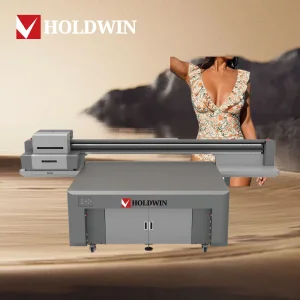
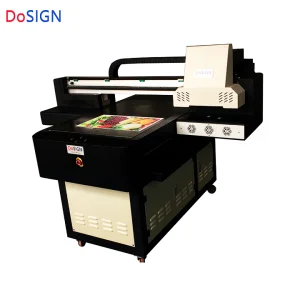
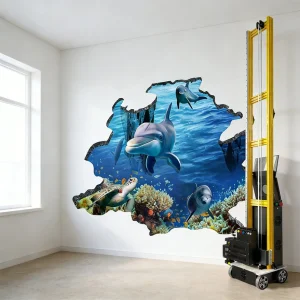
Choose from our specialized surface decoration machinery, built to handle heavy-duty production demands on architectural wall panels, metal sheets, glass, and flexible packaging films.
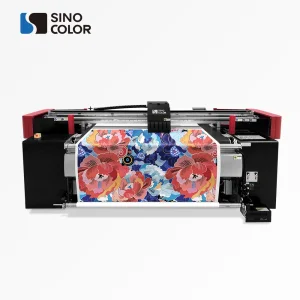
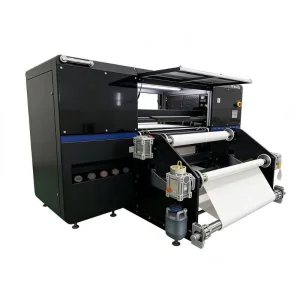
Find direct technical answers regarding printhead maintenance, substrate preparation, and operational details for our digital printer systems.
 Axis Print